Cyberbezpieczeństwo

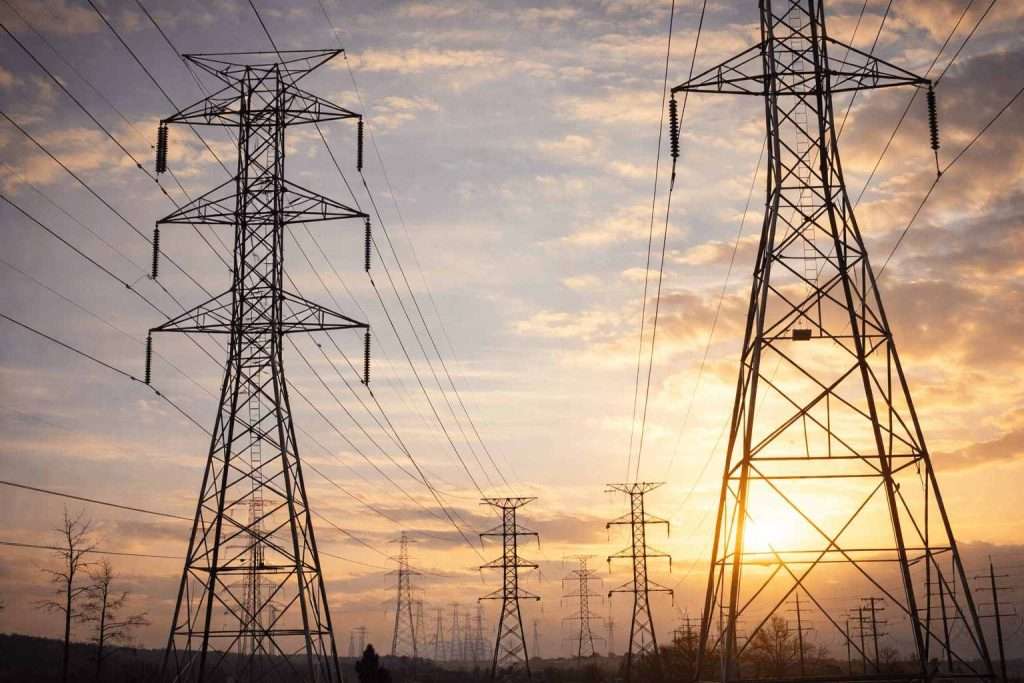
Poland power grid cyberattack: New “DynoWiper” wiper malware points to Russia’s Sandworm

Cyberatak na polską sieć energetyczną: Nowy malware typu „DynoWiper” wskazuje na Sandworm z Rosji

WARSZAWA, 24 stycznia 2026, 14:24 (CET) Firma zajmująca się cyberbezpieczeństwem ESET wskazała hakerów powiązanych z rosyjskim wywiadem wojskowym jako prawdopodobne źródło cyberataków wymierzonych w polską sieć energetyczną pod koniec grudnia. Włamywacze próbowali uruchomić złośliwe oprogramowanie usuwające dane, znane jako DynoWiper, choć ich

25 stycznia, 2026

Technology News

  • Amazon's Kuiper satellites raise night-sky brightness concerns, study finds
    January 25, 2026, 1:20 PM EST. A study based on nearly 2,000 observations published on arXiv says Amazon's Kuiper satellites exceed the IAU brightness guidelines, potentially harming ground- and space-based astronomy. Lead author Anthony Mallama notes that bright satellites threaten large surveys at the Vera C. Rubin Observatory and can affect the Hubble Space Telescope. Amazon plans to push future satellites to about 366 miles (590 km), which could raise visibility during twilight and worsen impact on instruments. The issue mirrors similar work with SpaceX's Starlink; the two groups have begun collaboration to reduce reflectivity-e.g., by making the underside more mirror-like and reorienting components. The landscape also includes other low-Earth orbit constellations such as Qianfan, Guowang, and OneWeb (at higher altitude ~745 miles/1,200 km).