NEW YORK, April 13, 2026, 09:17 EDT
Red-light therapy’s footprint in U.S. beauty and wellness keeps expanding, and Monday’s coverage highlights just how quickly devices like masks, caps, and panels have jumped from niche clinics to living rooms. Dermatologists and researchers aren’t dismissing the science, but they’re clear: the best evidence supports far fewer uses than marketers claim.
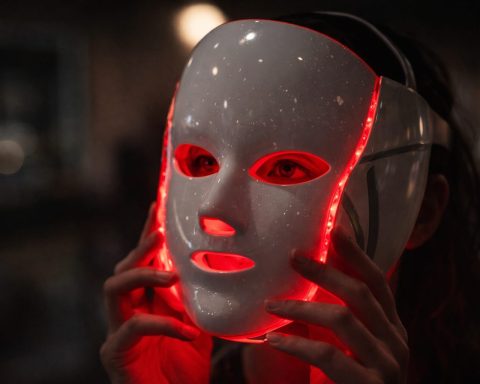
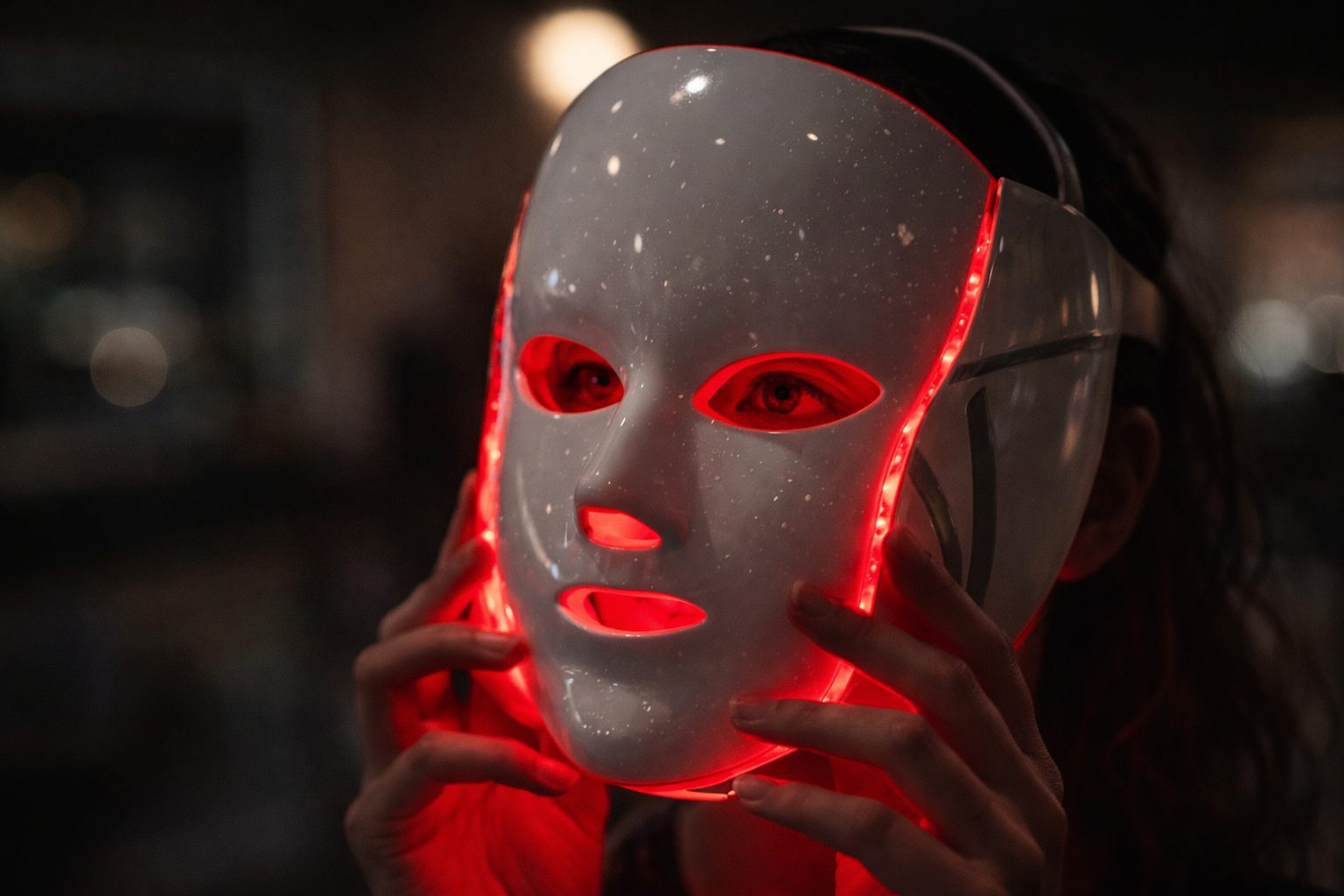
The category’s popping up in retail recaps and neighborhood recovery studios alike. Last week, Axios Charlotte spotlighted a $49 session on a full-body LED bed at a local wellness spot. Product rundowns from Town & Country and NewBeauty have put masks, hats, and panels squarely in focus—prices hovering between $399 and $549, with the CurrentBody hair helmet clocking in at $860.
Clinics refer to the therapy as photobiomodulation—essentially exposing cells to red or near-infrared light to affect their function. The FDA’s draft guidance focuses on medical devices using this technology, but separate U.S. wellness guidelines carve out some flexibility for low-risk lifestyle gadgets. According to UCLA Health, seeing “FDA-cleared” on a label only confirms a device’s safety, not whether the product actually delivers on its claims. U.S. Food and Drug Administration
Stanford dermatologist Zakia Rahman told NPR this isn’t “science fiction.” According to Stanford Medicine, the data is pretty solid for treating typical pattern hair loss and reducing some wrinkles. The reason? Red or near-infrared light seems to act on mitochondria—the cell’s own energy source. New Hampshire Public Radio
David Ozog, a dermatologist at Henry Ford Health, says red light therapy “does help” with androgenetic alopecia—the typical pattern hair loss—but don’t count on anything dramatic in terms of regrowth. With skin, Elma Baron at Case Western Reserve points to mostly modest effects: smoothing out fine lines and helping some acne, but not making a dent in deeper wrinkles. For rejuvenation, Ozog ranks red light therapy behind options like retinoids, vitamin C, and laser peels. New Hampshire Public Radio
Beyond cosmetics, the case gets stronger for some medical conditions. A 2025 consensus review listed on PubMed concluded that photobiomodulation works for peripheral neuropathy, pattern hair loss, a range of ulcer types, and acute radiation dermatitis. The FDA has also cleared LumiThera’s Valeda device for use in specific cases of dry age-related macular degeneration, with the agency noting vision gains of around one line on an eye chart after about two years.
Yet some of the bigger wellness claims haven’t kept pace with the science. According to Stanford experts, data for benefits like athletic performance or sleep just isn’t there, even as consumer and wellness brands roll out full-body mats, beds, and recovery gear. Scientific American notes the industry’s creeping move into the mainstream but points out that companies are still leaning on shaky evidence to back sweeping promises.
That’s where things get dicey for consumers. Ozog described the product market as the “Wild West.” He and other clinicians point out that certain devices might not deliver enough energy—or even the proper wavelengths. Both the American Academy of Dermatology and UCLA Health stress the need for eye protection, flagging a higher hyperpigmentation risk for darker skin. FDA clearance, they note, doesn’t guarantee results. New Hampshire Public Radio
Competition is ramping up. Town & Country’s April guide spotlighted CurrentBody’s $469 face mask, Shark’s $349 CryoGlow mask, and HigherDOSE’s full-body mat, underscoring the rapid crossover of red-light therapy from clinical dermatology into beauty aisles and consumer tech shelves.
According to Mayo Clinic, LED masks may benefit certain people, though outcomes aren’t guaranteed and evidence from longer-term studies remains sparse. Devices for home use generally fall short of professional-grade treatments. For now, red-light therapy seems best viewed as an add-on rather than a cure-all. Stanford’s Rahman, for one, has warned it’s not a “panacea.” Mayo Clinic Press