Astronomie 16 noiembrie 2025 - 3 februarie 2026

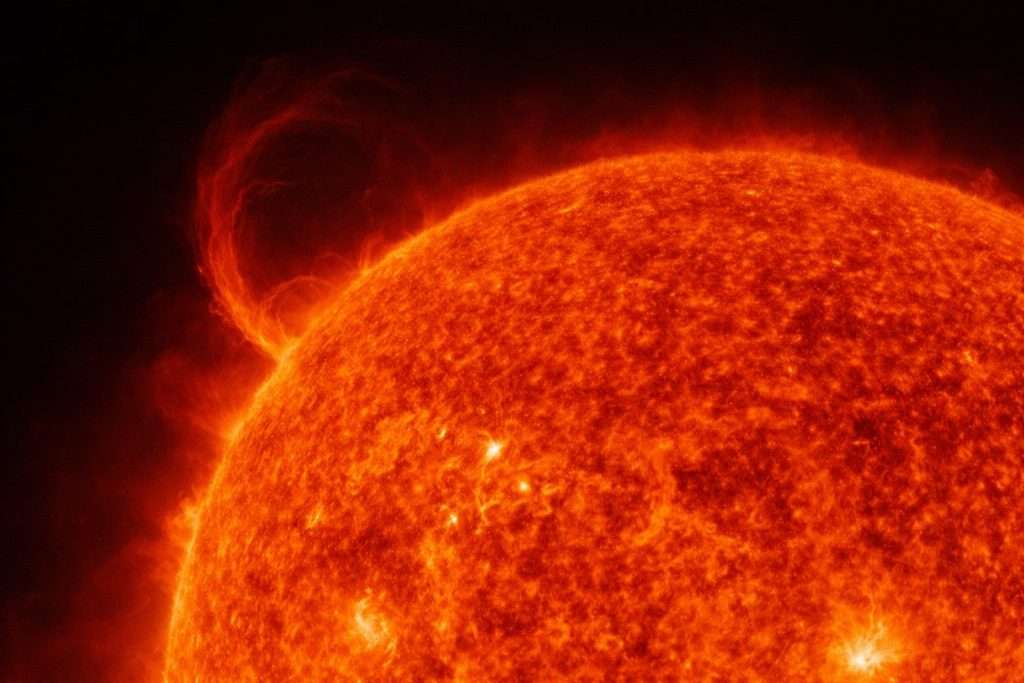
Sun fires 4 strong solar flares as NOAA tracks X8.1 blast and possible Earth brush-by

Soarele emite 4 erupții solare puternice, în timp ce NOAA monitorizează explozia X8.1 și posibila atingere a Pământului

NOAA reported a major X8.1 solar flare from active region 4366 late on February 1, with minor solar effects possible around February 5. NASA recorded four X-class flares between February 1 and early February 2. U.S. forecasters raised the risk of radio blackouts and a minor solar radiation storm through February 4. Most ejected material is expected to miss Earth, with only marginal impacts likely.
februarie 3, 2026
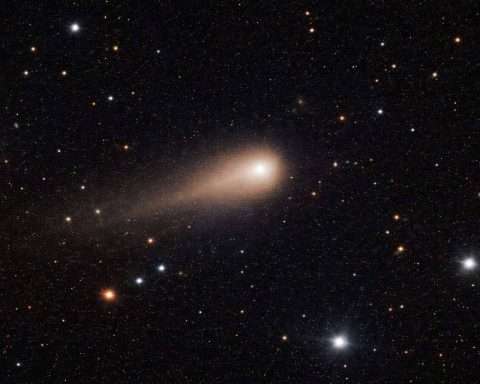
NASA’s TESS Spots Rare Interstellar Comet 3I/ATLAS — New Data Target Its Spin

TESS de la NASA detectează cometa interstelară rară 3I/ATLAS — Noile date vizează rotația acesteia

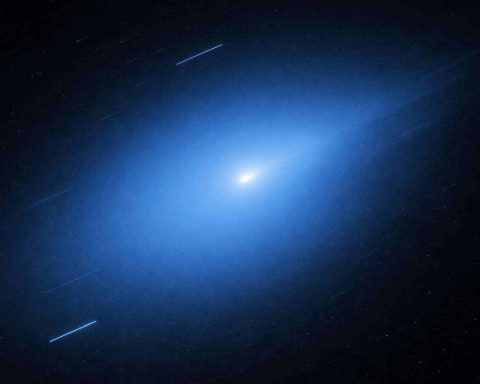
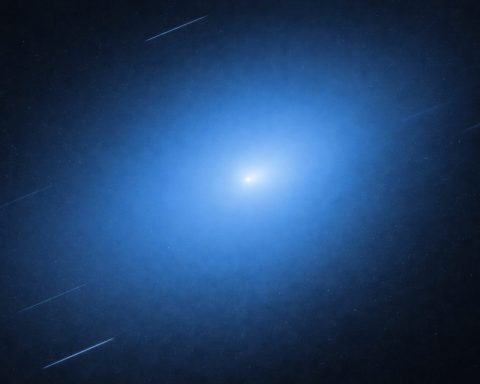
NASA’s TESS spacecraft captured new images of interstellar comet 3I/ATLAS in January as it exits the solar system. Scientists are analyzing changes in the comet’s brightness to study its rotation and activity. TESS observed the comet between January 15 and 22, with data now publicly available. The comet’s apparent magnitude was measured at about 11.5, far dimmer than the naked eye can see.
ianuarie 31, 2026
NASA interrupts TESS survey to track interstellar comet 3I/ATLAS as SPHEREx spots stronger gases

NASA întrerupe sondajul TESS pentru a urmări cometa interstelară 3I/ATLAS, în timp ce SPHEREx detectează gaze mai puternice

NASA redirected its TESS satellite from its regular survey to observe interstellar comet 3I/ATLAS, collecting continuous brightness data from January 15–22. New SPHEREx measurements show the comet’s gas emissions surged twentyfold after its October perihelion, with new signs of cyanide and organic gases. NASA says 3I/ATLAS poses no threat to Earth and will remain visible with small telescopes through spring.
ianuarie 22, 2026
Comet 3I/ATLAS suddenly looks “fully active” — and astronomers say the window is closing

Cometa 3I/ATLAS pare brusc „pe deplin activ” — iar astronomii spun că fereastra de observare se închide

NASA’s SPHEREx telescope recorded a surge in gas and dust from interstellar comet 3I/ATLAS after its close solar pass. Scientists confirm it as only the third known interstellar object in the solar system. The comet reaches opposition on January 22, improving ground-based viewing. Data show water vapor emissions about 20 times higher than previous readings.
ianuarie 21, 2026
Comet 3I/ATLAS Today (15 November 2025): ESA Path Update, Tail Revival, Radio Signals and Alien Claims Explained

Cometa 3I/ATLAS Astăzi (15 Noiembrie 2025): Actualizare Traiectorie ESA, Revenirea Cozii, Semnale Radio și Explicații pentru Afirmațiile despre Extratereștri

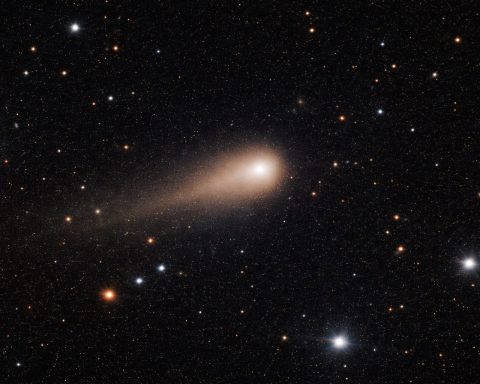
New images and refined orbital data released November 15 show interstellar comet 3I/ATLAS survived its close approach to the Sun intact and remains active. Astronomers confirm its hyperbolic trajectory means it will not return after leaving the Solar System. Debate continues over its unusual gas jets, with some experts suggesting natural causes and others raising the possibility of artificial origins.
noiembrie 16, 2025