
Mumbai, May 11, 2026, 13:45 IST
- The rupee slipped beyond 95 per dollar Monday, pressured by a surge in crude and expectations of dollar selling from state-run banks, traders said.
- This is significant for India, which relies heavily on imported oil. A climb in crude prices tends to push up the current account deficit—the difference between what the country pays abroad and what it brings in.
- Prime Minister Narendra Modi’s weekend speech urging Indians to cut back on fuel use, hold off on non-essential foreign trips, and limit gold purchases injected another note of caution into the market.
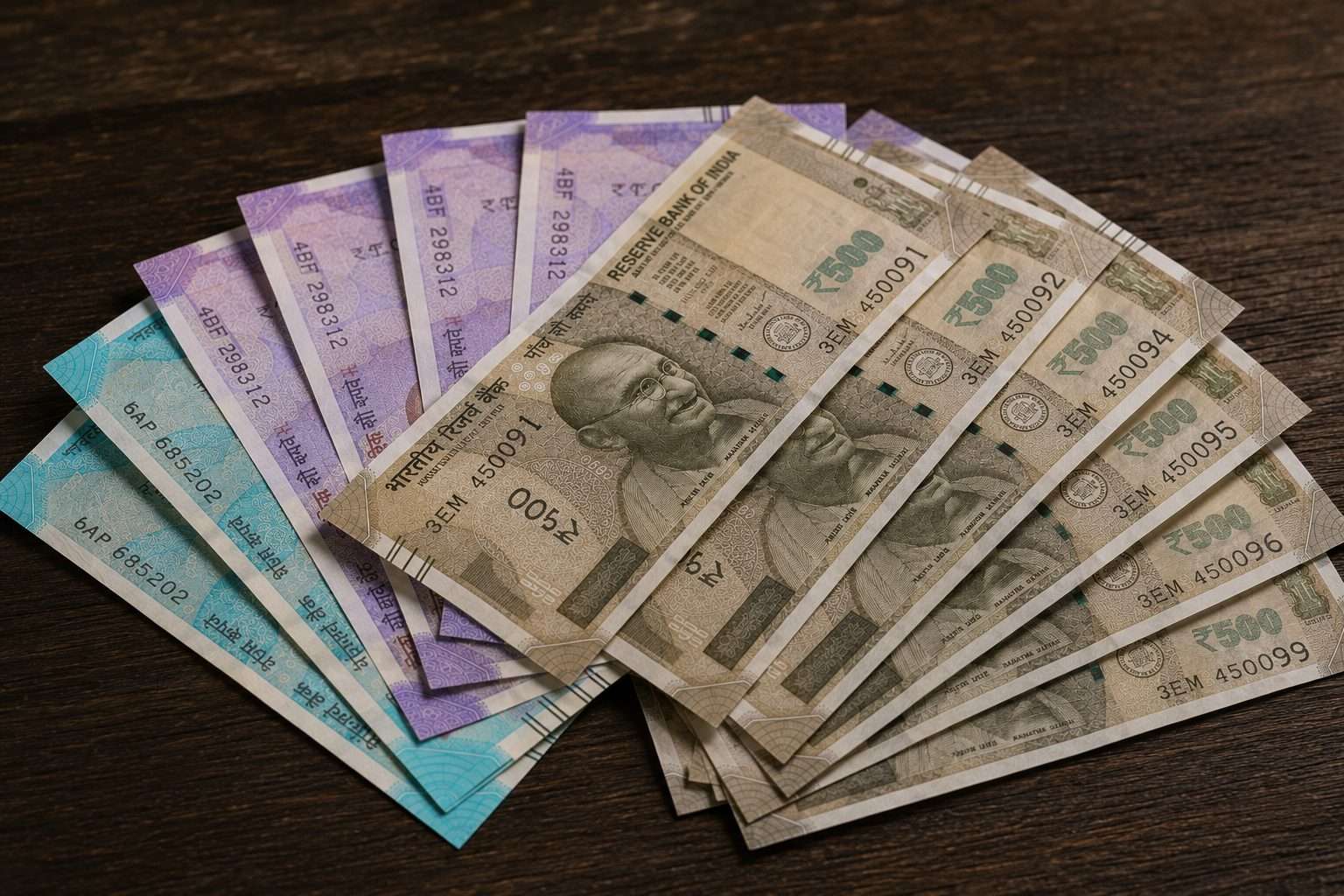
The rupee slid beyond 95 per dollar on Monday as oil prices surged, following stalled U.S.-Iran peace talks. Traders pointed to likely dollar sales by state banks, trying to curb the rupee’s drop. Reuters pegged the currency at 95.1850 to the dollar, off 0.75%. Both Navbharat Times and Moneycontrol reported a fall to 95.17.
India’s timing couldn’t have been worse. With oil prices climbing, importers scramble for more dollars, putting extra strain on the rupee. If those higher fuel costs get passed on, inflation picks up at home. Investors eye the current account—always a sensitive spot for countries that import much of their oil.
The rupee kicked off interbank trading at 94.97 to the dollar, then edged up to 94.90 during the morning session, according to ThePrint, which referenced PTI. Friday’s close stood at 93.51.
Oil moved sharply after U.S. President Donald Trump dismissed Iran’s reaction to a U.S. peace proposal as “unacceptable,” pushing Brent crude futures up nearly 4% to above $105 a barrel. Supply concerns through the Strait of Hormuz were top of mind again. U.S. West Texas Intermediate crude hovered just below $100. Investing
On Sunday, Modi called on Indians to save fuel and, where feasible, switch back to work-from-home, use public transport, or share rides. He also asked people to cut back on gold buying and avoid unnecessary trips abroad, all to help conserve foreign exchange. “In the current situation, we must place great emphasis on saving foreign exchange,” Reuters quoted him as saying. Reuters
Modi made a notably blunt plea at a public gathering in Hyderabad, according to Indian Express. He called on people to opt for metro travel, electric vehicles, and rail freight whenever they can. He also pushed for a year-long halt on both non-essential foreign travel and gold purchases.
Indian equities slid, too. According to Reuters, the Nifty 50 lost 1.16% to hit 23,894.60 and the BSE Sensex retreated 1.28% to 76,331.84 early in the session, pulling all 16 major sectors into the red. Shares in Indian Oil, BPCL and HPCL each sank roughly 2.6%. IndiGo, as well as hotel and jewelry stocks, also traded lower.
VK Vijayakumar, chief investment strategist at Geojit Investments, described Modi’s call as a “crisis management response” to the current account crunch triggered by surging crude prices. According to him, sentiment has turned negative in sectors linked to fuel, travel, hotels, and gold. Reuters
The rupee wasn’t alone in slipping, but India faced heavier pressure given its dependence on oil imports. According to Reuters, Asian currencies fell anywhere from 0.3% to 1% this day. MUFG analysts flagged that India—along with a handful of ASEAN markets with thinner crude reserves—could feel the strain more if energy supplies get rattled.
Geopolitics kept oil traders on alert, with inventories taking a back seat. Phillip Nova’s Priyanka Sachdeva called crude a “geopolitical headline machine.” Over at IG, analyst Tony Sycamore pointed to Trump’s China trip this week, raising the question of whether Beijing might nudge Iran toward a deal. Investing
The Reserve Bank of India can step in to slow the rupee’s slide, but it can’t shield markets from a prolonged oil shock if crude prices remain elevated. Any swift diplomatic breakthrough might pull oil lower and support the rupee, though a protracted crisis near Hormuz would leave Indian importers scrambling for dollars—and could put pressure on policymakers to make tough calls on fuel prices, foreign reserves, and economic growth.
After the Iran conflict erupted in late February, Reuters reports the rupee slid over 4%. The Nifty 50 is down 5%. India’s 10-year government bond yield climbed close to 40 basis points—a basis point equals one-hundredth of a percentage point.