
Berlin, April 27, 2026, 18:02 CEST
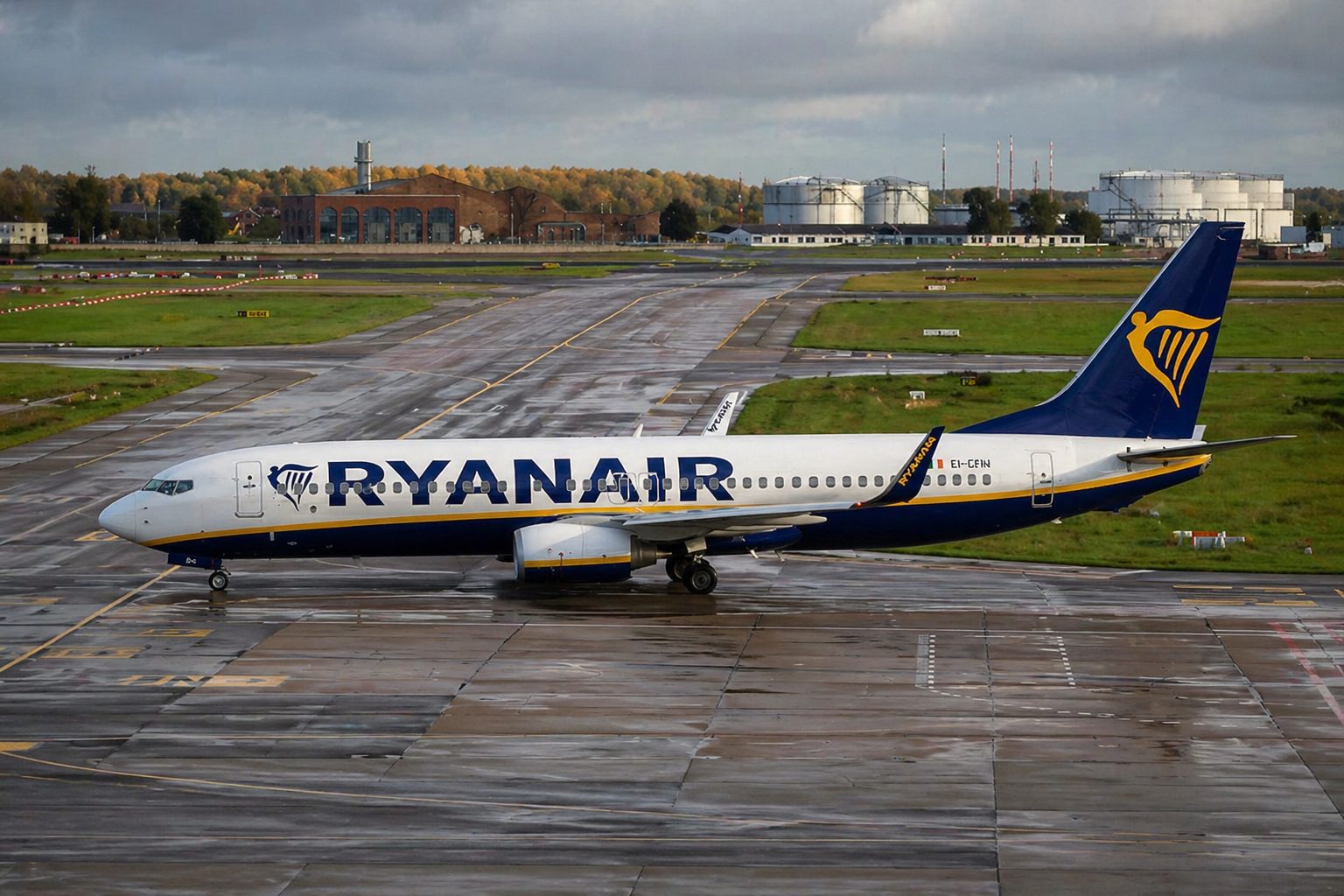
Ryanair is shutting down its seven-jet base at Berlin Brandenburg Airport on Oct. 24, 2026, slashing its winter flights to and from Berlin by 50%. The Dublin low-cost carrier plans to shift those planes to airports with cheaper costs—specifically in Sweden, Slovakia, Albania, and Italy.
The timing of the cut is significant: Berlin’s air traffic hasn’t bounced back, and Germany is still facing pushback from airlines over taxes and fees. Ryanair projected its Berlin passenger count will shrink to 2.2 million in 2027, down from 4.5 million. BER itself saw a drop to 26 million passengers in 2025, compared with 36 million back in 2019.
Passengers could see less flexibility and a shortage of low-cost short-haul flights—even with Ryanair continuing service to Berlin using planes from other bases. Ryanair holds the top spot at BER for scheduled capacity, commanding 48,418 weekly departure seats and a 15.4% slice of the market. That puts it ahead of easyJet Europe and Eurowings, according to ch-aviation. ([ch-aviation][3])
Eddie Wilson, CEO of Ryanair DAC, pointed directly at airport charges and Germany’s tax system as the culprits. “German aviation is broken,” Wilson said. He argued that there’s no plan from Germany to lower aviation taxes or ease steep airport fees. Anadolu Ajansı
Berlin Brandenburg Airport pushed back, saying Ryanair’s decision came as a surprise. The airport told Euronews it remains in discussions with carriers and has no intention of raising airport charges.
The dispute erupts right after Berlin’s decision to lower the Luftverkehrsteuer—the country’s air passenger tax—starting July 1. According to the government, the short-haul levy drops to €13.03 from €15.53, medium-haul falls to €33.01 from €39.34, and long-haul sinks to €59.43 from €70.83. It’s up to airlines, though, to pass those cuts on to ticket prices.
Berlin’s been feeling the squeeze for a while. Last year, Germany’s coalition signed off on measures to ease airline expenses—ticket-tax reductions, cheaper air traffic control fees, and lower security check costs—responding after Ryanair, easyJet, and other low-cost carriers scaled back capacity in the country.
The dispute over labor could turn out to be even more contentious than the disagreement over routes. Verdi, the German union, claimed about 500 workers might be impacted and criticized Ryanair for not notifying the local works council ahead of time—a legal requirement for workplace representation in Germany. Ryanair countered, saying the real figure is 210 and that everyone affected would receive job offers elsewhere.
There’s a possible shot for rail, but it won’t be simple. Jon Worth, a European railway policy analyst, told the Guardian there’s “an opportunity for the railway industry here,” but he flagged ongoing issues with reliability and fares. Berlin connects directly by train to Amsterdam, Warsaw, Prague, Vienna and Paris. The Guardian
The message isn’t subtle. Ryanair keeps shifting hard-to-find planes to spots offering cheaper costs and faster expansion. It’s already scaled back or pulled out of several German airports; now, dropping Berlin makes its long-standing gripes about aviation taxes a reality, with actual cuts to capacity.
Things aren’t set in stone yet. BER is contesting the airport fee allegation, negotiations with airlines are still underway, and the federal tax reduction is scheduled to hit ahead of Ryanair’s planned base closure. Ryanair, for its part, will keep flying to Berlin from other locations. According to Aviation Week, the airport highlighted passenger gains from both Eurowings and Wizz Air, and also noted that Ryanair has a maintenance hangar at BER on track to open in August.
[3]: https://www.ch-aviation.com/news/166553-ryanair-to-close-berlin-base-in-early-4q26 “
Ryanair plans to shut down its Berlin base in early 4Q26, according to ch-aviation.
“