
BRUSSELS, 15 January 2026, 17:27 CET
- Ryanair’s CEO argues that Starlink antennas create drag, which would drive up fuel expenses on short-haul routes.
- Starlink has returned to the spotlight as governments consider satellite internet solutions amid shutdowns.
- SpaceX continues to ramp up the pace of Starlink satellite launches, strengthening its hold on the market.
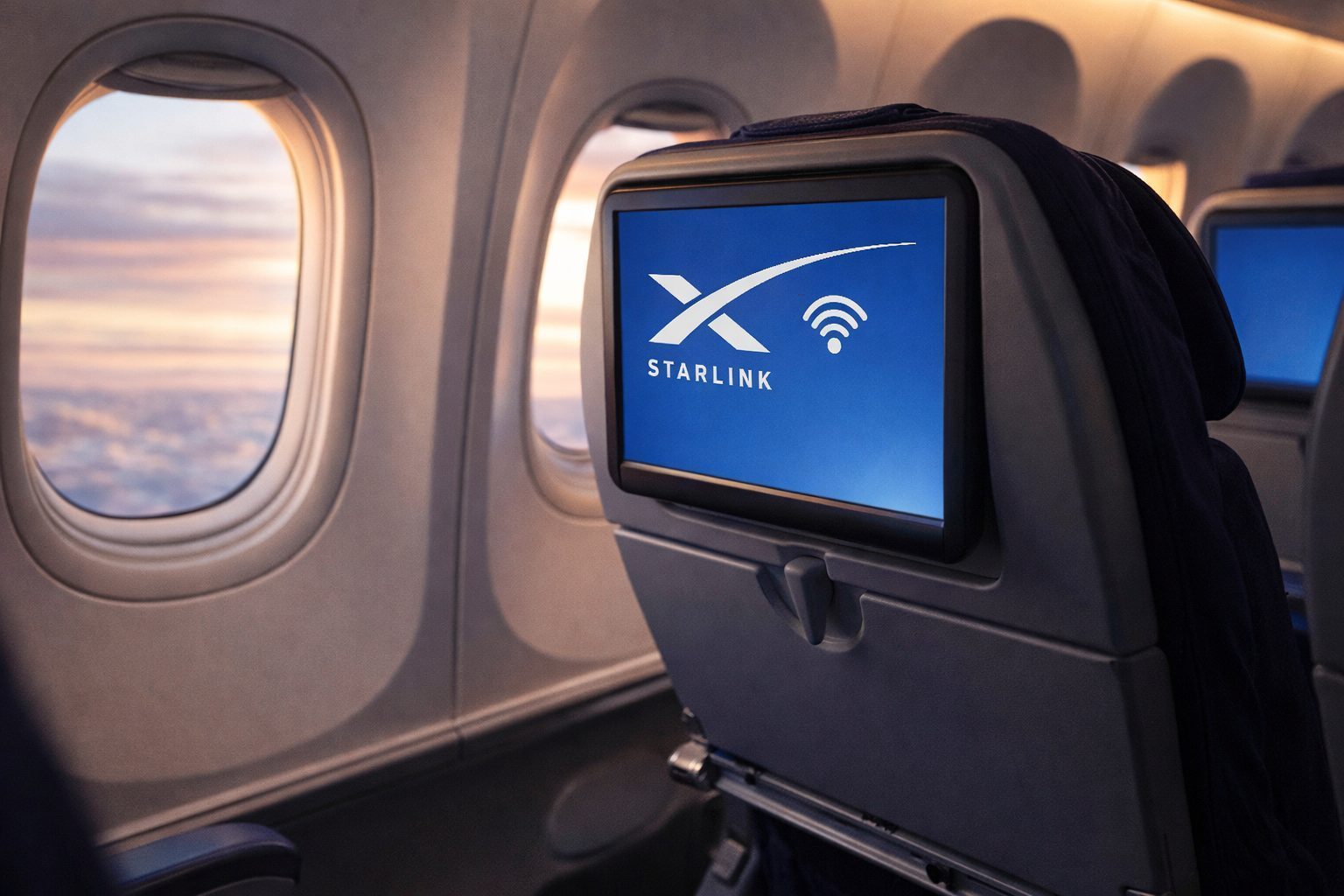
Ryanair has dismissed the idea of installing Elon Musk’s Starlink satellite internet on its planes, citing a fuel penalty caused by the added weight and drag of the antenna. “You need to put antenna on fuselage—it comes with a 2% fuel penalty because of the weight and drag,” Ryanair CEO Michael O’Leary told Reuters, emphasizing that the costs don’t make sense for the airline’s typical one-hour flights. Reuters
The call matters because in-flight internet is no longer just a feature—it’s a key battleground. Airlines face mounting pressure to deliver faster connections that support streaming and remote work, all while keeping costs low enough to protect their slim margins on every flight.
Starlink is at the heart of this shift. It’s expanding beyond its original niche of serving remote users to target aviation and other industries that demand constant connectivity, all while appearing in political hotspots where satellite connections can circumvent regional restrictions.
The tech challenge is clear, though the compromises are trickier. Satellites in low Earth orbit, orbiting just a few hundred kilometres up, can slash the delay that often makes traditional satellite Wi-Fi frustratingly sluggish—particularly for voice and video calls.
Starlink’s expanding coverage is catching attention outside commercial use. After Iran cracked down on internet access amid unrest, France revealed it’s looking into sending Eutelsat satellite terminals there. Notably, Eutelsat’s OneWeb is the only other low-Earth-orbit network competing with Starlink. Satellite communications expert Carlos Placido pointed out that the size of Starlink’s constellation complicates jamming efforts, though it’s not impossible.
There are real drawbacks. Airlines fret over the added weight on the airframe and the impact on fuel consumption. Governments, on the other hand, might jam signals, confiscate terminals, or crack down on regulations, swiftly turning a connectivity service into a political headache.
SpaceX has also been ramping up its launch pace. A Falcon 9 took off from Cape Canaveral just 45 hours after the previous flight from that pad. According to Spaceflight Now, SpaceX sent 29 Starlink satellites into orbit. Executive Kiko Dontchev summed it up: “Physics is the only constraint.” Spaceflight Now
Starlink’s victories with airlines and high-profile crisis deployments highlight a common goal: recognition as infrastructure. That status promises steady revenue but also means facing stricter regulatory oversight and fiercer competition.
Ryanair’s rejection highlights that Starlink remains an option, not a given. The coming months will reveal if airlines can turn “free Wi-Fi” into profit and whether governments opt to crack down on satellite connections or simply accept their presence.