
LONDON, April 2, 2026, 23:07 BST.
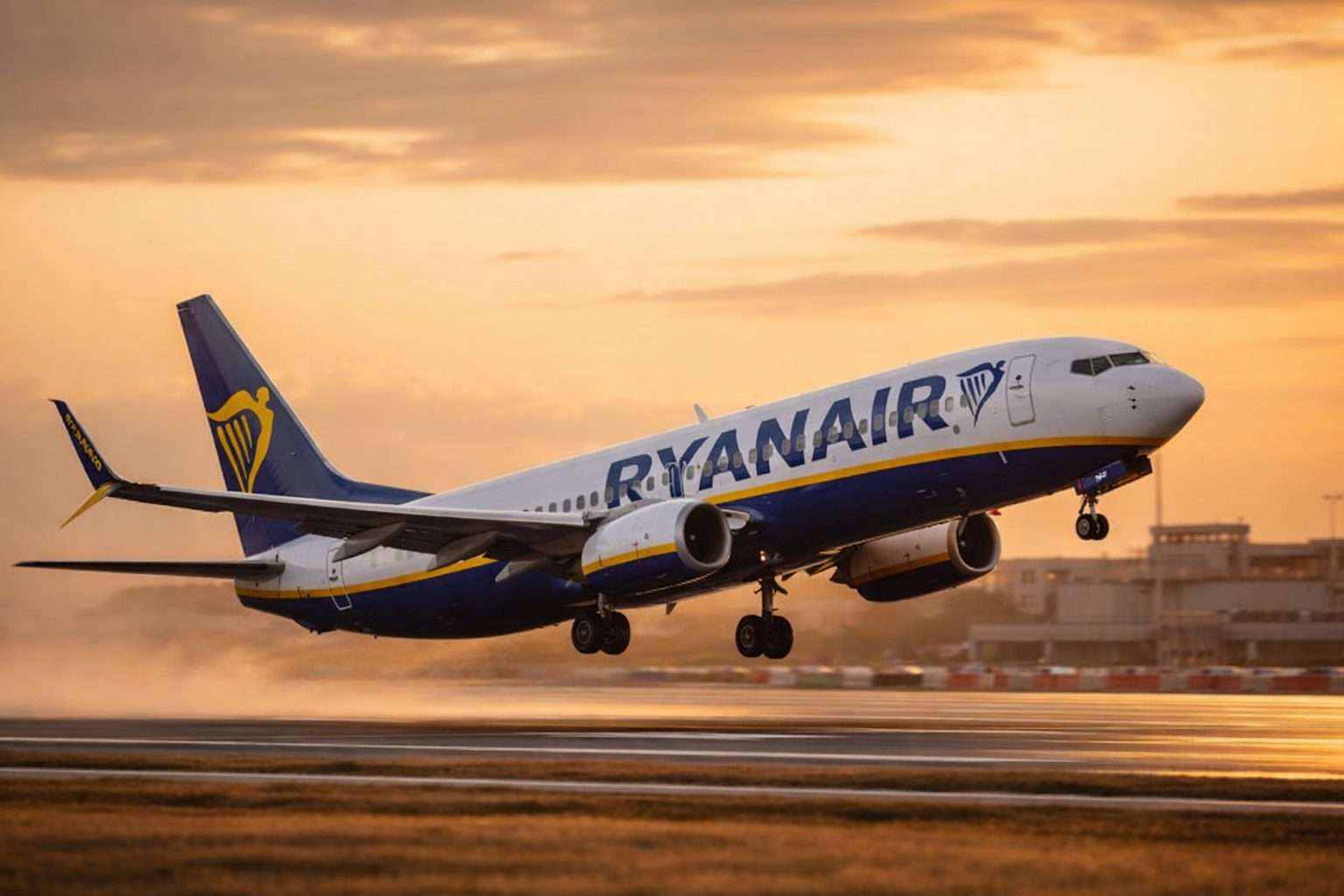
Ryanair said Thursday that as much as 10% of its summer flights could be scrapped if the Iran war continues to rattle jet fuel markets, with the first signs of UK route reductions linked to pricier fuel now emerging. Skybus is pulling its London Gatwick-Newquay route earlier than planned, showing the squeeze isn’t just hitting major airlines.
Fuel now accounts for 26% to 27% of airline expenses, IATA Director General Willie Walsh said, which leaves airlines with little cushion if prices spike again. Jet fuel prices hit $195 per barrel last week, IATA data shows—more than twice last year’s average. Michael O’Leary flagged Britain as Europe’s most vulnerable market, given roughly 25% of its jet fuel flows in from Kuwait. The IEA, meanwhile, noted Asia’s jet fuel shortages are expected to start affecting Europe as soon as April or May.
O’Leary’s tone has sharpened over the past two days. On Wednesday, he said Ryanair wasn’t expecting immediate disruption before early May and had already hedged 80% of its fuel, so most of those purchases were locked in at fixed prices. But he flagged a possible risk: if the Strait of Hormuz—a key Gulf shipping route—remains closed, as much as 10% to 25% of supply could be in jeopardy for May and June. “No assurances into June or July,” he added. The Irish Times
Across the UK, disruption remains uneven—still, it’s turned real. Skybus plans to halt all flights between Cornwall and London starting April 3, cutting service well ahead of the scheduled close for the government-supported route. Managing director Jonathan Hinkles pointed to “the huge rise in the global cost of fuel” along with soft bookings as the culprits. ITVX
Aurigny, the Guernsey-based carrier, has cut back its London City schedule, merged certain Exeter and Bristol routes, and slapped a £2 fuel surcharge on tickets booked from March 20. According to the airline, global turmoil is pushing down demand and driving up expenses, making what started as a regional supply issue into a headache for both major and small UK operators.
Even so, this doesn’t add up to a UK-wide shortage just yet. British Airways told ITV it hasn’t experienced any jet fuel supply issues in the country and remains in regular touch with both suppliers and the government. Ryanair, for its part, said Wednesday it’s still looking for average fares to climb just 3% to 4% year-on-year for April through June, with traffic anticipated to rise about 5%.
Pressure is mounting on the supply front. IEA chief Fatih Birol flagged a loss north of 12 million barrels of oil since the conflict’s onset, warning that jet fuel and diesel pose the sharpest short-term challenge. The crunch, already apparent in Asia, will hit Europe “in April or May,” he said. Reuters
Replacement cargoes are arriving, but so far, volumes aren’t enough to fill the shortfall. Reuters said U.S. exports of clean fuels like jet fuel reached a record 3.11 million barrels per day in March; shipments to Europe climbed almost 27% from February as buyers hunted for substitutes. Still, Kpler analyst Matt Smith called it “very, very, very unlikely” that U.S. flows could make up for what usually passes through Hormuz. Reuters
Still, it’s not just the worst-case scenario in play. O’Leary pointed out that Ryanair isn’t anticipating any disruption before May, and if the war wraps up this month with the strait reopening, there’s “almost no risk to supply.” Walsh echoed some of that optimism, noting European travelers might catch a break since many airlines lock in fuel prices well in advance. The Irish Times
The UK market is wedged in a tricky spot right now: fuel hasn’t run dry, but the buffer’s gone. British Airways reports that supplies keep coming. Aurigny and Skybus, on the other hand, have already cut back or pulled out. Ryanair hints it could scale down more if the conflict stretches into peak summer.