
LONDON, June 6, 2026, 19:04 (BST)
- Sainsbury ended Friday at 300.50p, gaining 1.8% on the day. Shares are up roughly 1.4% from last week’s Friday close.
- London markets are closed for the weekend. The company’s next update, a first-quarter trading statement, comes June 30.
- Investors are looking at food market gains but see Argos struggling, with grocery inflation and price cuts from rivals adding pressure.
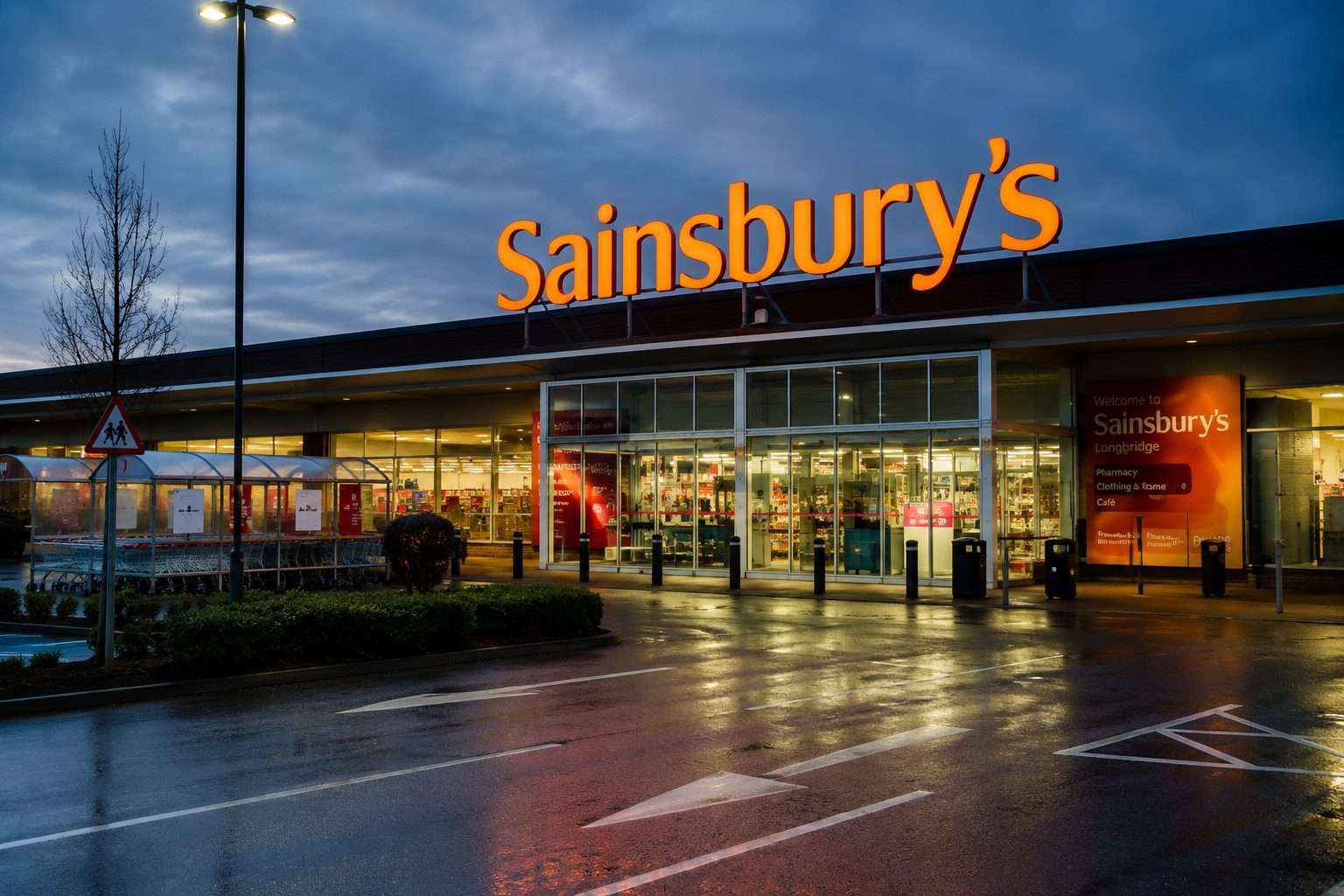
J Sainsbury shot back above 300p Friday, wrapping the week stronger than the wider London market. Shares finished at 300.50p, up 1.8% for the day, after moving between 299.20p and 303.40p. The close puts the stock 1.4% over last week’s 296.30p finish. The week saw a 2.8% jump Wednesday, then a drop of 3.09% Thursday, daily moves that made for a choppy ride.
Weekend trading is closed, so now investors need to figure out if Friday’s move was the start of a real turn or just a dead cat bounce. The FTSE 100 inched up 0.07% Friday. Sainsbury is still trading almost 19% under its 52-week high from December.
Sainsbury is not set for a trading update next week. According to its financial calendar, the company posts its first-quarter trading statement on June 30, then interim results land in October.
Sainsbury is pushing the income angle, with its board recommending a final dividend of 9.6p per share. The payout is due July 10 for investors on the books at close of business June 5, if shareholders sign off at the annual meeting. Dividends are cash returns to investors from profits. The record date decides who qualifies.
Sainsbury shares moved after April results that looked strong, but questions stayed. Sainsbury posted 4.3% retail sales growth, not counting fuel and VAT, and £1.025 billion in retail underlying operating profit. That profit figure cuts out some one-off items. For 2026/27, the supermarket is guiding for total underlying operating profit between £975 million and £1.075 billion and expects retail free cash flow above £500 million. “We’ve outperformed the market for the sixth year in a row by focusing on value, quality, availability and service,” Chief Executive Simon Roberts said. Sainsbury’s
UK grocery competition is close. In April, Reuters said Sainsbury had 15.6% of the market, putting it behind Tesco. About a quarter of Sainsbury’s sales are from non-food, which makes it more vulnerable than Tesco if shoppers pull back on extras. Argos, the general merchandise unit, is still a tough spot for Sainsbury.
Asda showed up again on Friday, with chair Allan Leighton telling the Guardian that Aldi passing Asda for the number three slot in UK supermarkets is “not inevitable.” He said “the consumer’s confidence is shot,” and pushed back on chatter about getting back into merger talks with Sainsbury, calling a deal “not on my radar.” Asda, which is still private, moves prices that matter for listed grocers. The Guardian
Sainsbury’s could see its food gains weakened if outside pressures get worse. Asda pushing harder, Aldi keeping up the pressure, higher costs for energy or food, and sluggish Argos sales might force Sainsbury to spend more holding prices down while making less from other goods. Sainsbury has warned the business impact from Middle East events is still very uncertain for customers and the company.
Looking to the week, traders don’t have much on the slate for company news unless sector numbers or new broker notes arrive. The 300p mark could see extra attention, with the dividend schedule and any hint of tougher UK grocery price moves in focus before the June 30 update.
Sainsbury has taken back a round number, but not its old high. The question is if strong grocery sales can keep the shares up as investors look for clearer first-quarter results.