NEW YORK, January 17, 2026, 03:00 EST
- Amazon’s discounts are pushing U.S. prices lower on Samsung’s Galaxy S25 Ultra across all storage options.
- Deal roundups reveal discounts of 20% or higher on certain colors and configurations.
- Analysts warn that as component supplies tighten, finding steep discounts may become more difficult later in 2026.
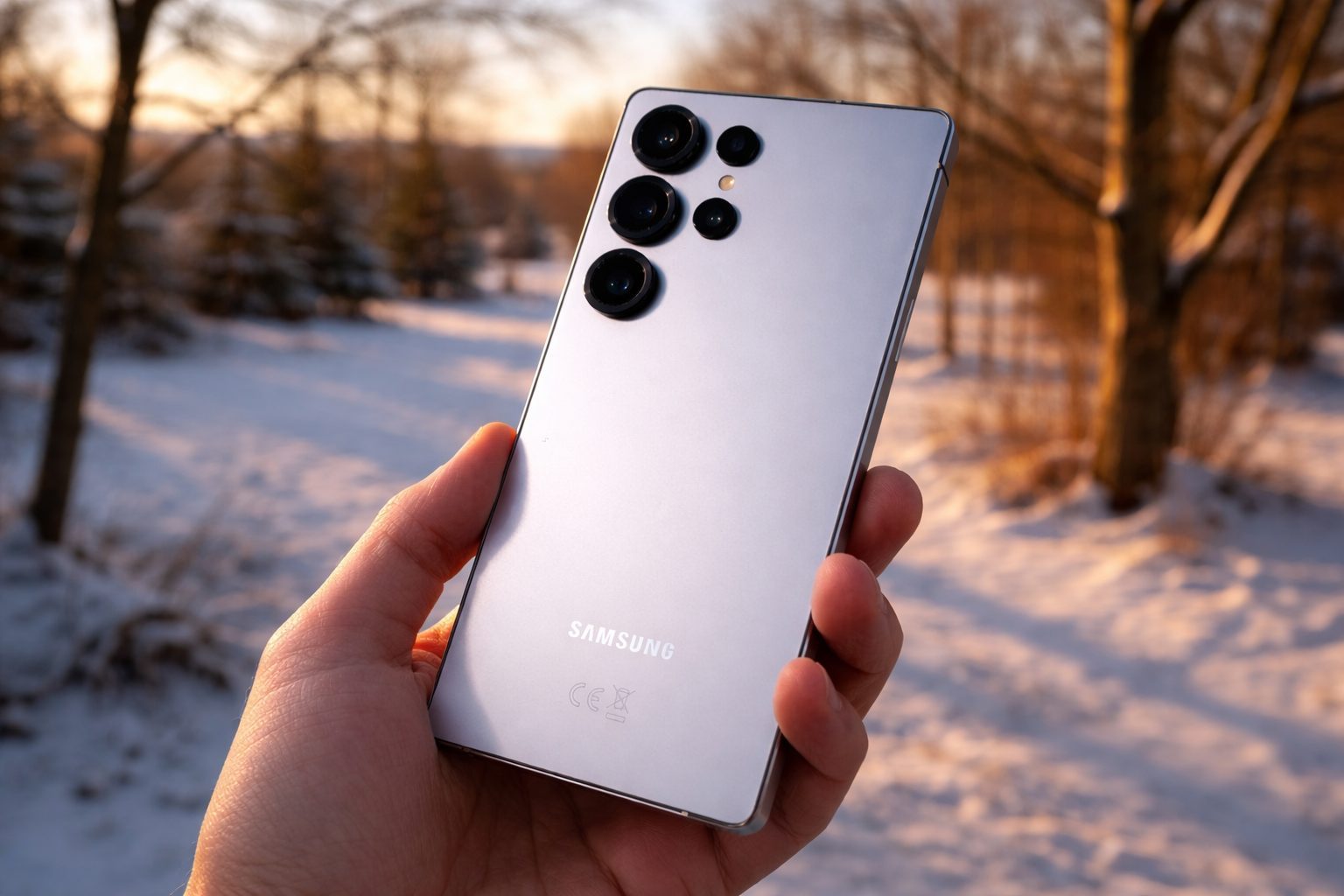
Amazon in the US is now offering new discounts on Samsung’s Galaxy S25 Ultra. The 256GB Titanium Silver Blue model is going for $1,023.45, down from the usual $1,299.99, according to SammyFans on Jan. 16. The S25 Ultra remains Samsung’s flagship in the current Galaxy series. 1
Discounts arrive during a slower period following the holiday rush, a time when retailers typically push sales through direct price drops, bundles, and “limited-time” deals. For an unlocked flagship, the pitch is straightforward: pay full price upfront and avoid carrier contracts.
Industry experts warn that 2026 could spell trouble for bargain hunters if memory and storage chip shortages worsen. Omdia senior analyst Runar Bjørhovde described the outlook as “particularly critical for vendors with heavier exposure.” Meanwhile, IDC’s Ryan Reith noted that “the duration of the shortage will ultimately determine the extent” of its impact on the market. 2
A Lifehacker deal alert, shared again by PressBee, pointed out a separate Amazon listing for the 512GB S25 Ultra priced at $1,079.99—a 24% cut from its usual $1,419.99. Price-tracking tools confirmed this is the lowest price yet for the device. The repost also highlighted its 6.9-inch AMOLED screen with a 120Hz refresh rate, the Snapdragon 8 Elite processor from Qualcomm, and an IP68 rating for dust and water resistance. 3
PhoneArena’s weekly deals roundup highlighted a $301 discount (21%) on the Galaxy S25 Ultra 512GB unlocked model, plus price cuts on Samsung’s Galaxy S25 FE and Tab S11. The list also featured deals on competitors like Motorola’s Razr Ultra foldable and Google’s Pixel 10 Pro Fold. 4
These prices are for unlocked phones, so buyers can usually use the device with most major U.S. carriers. Still, they hover in the four-figure range. Any savings depend largely on the storage capacity and color, and the deal available in the morning might vanish by night.
Android Police describes the S25 Ultra as a phone that “has gotten even better over time thanks to a variety of software updates,” giving buyers an extra reason to consider snapping it up at a discount. 5
Throughout the roundups, the message remains clear: a large display, a powerful chip, and a trusted premium design, paired with an expanding set of on-device features labeled as “AI” tools. For Samsung, this combination is crucial since the Ultra model’s price remains high—even after knocking off a few hundred dollars.
But deal-hunting on Amazon comes with a caveat: prices shift rapidly, and the steepest discounts often hinge on particular colors, storage options, or which seller is listing the item. Once a deal starts circulating on trackers and social media, stock can disappear just as fast.
The range of S25 Ultra discounts appearing in various reviews and setups indicates that retailers remain ready to sacrifice some profit to sustain premium Android sales during a sluggish month.