SEOUL, January 29, 2026, 18:24 KST
- U.S. regulatory filings for phones believed to be Samsung’s Galaxy S26 line point to satellite messaging and SOS support
- Samsung has teased a new “layer of privacy” aimed at blocking onlookers in public spaces
- Leaked case photos suggest a pill-shaped camera island and possible Qi2 wireless charging support
Regulatory filings for U.S. variants of Samsung Electronics’ next flagship Galaxy S26 smartphones point to satellite connectivity that could let users send messages or place emergency calls when out of cellular range, according to reports by SamMobile and 9to5Google. (SamMobile)
The reports land as Samsung’s leak cycle speeds up ahead of an expected late-February launch event, with handset makers looking for practical differentiators in a premium market where annual upgrades can feel incremental.
Satellite-to-phone features, which route basic texts and emergency requests through satellites instead of cell towers, have become a new battleground for top-end devices. Apple and Google already offer versions of the capability on recent iPhones and Pixels, pushing rivals to match it.
Samsung, meanwhile, has started teasing a privacy feature designed to stop “shoulder surfing” — people reading screens over someone’s shoulder on public transit or in crowded places. “Our phones are our most personal space, but we use them in the least private places,” the company said in a statement, adding the new layer can be tailored by app and switched off rather than applied across the whole phone. (Samsung Global Newsroom)
Samsung said the feature took more than five years of engineering and combines hardware and software, a hint it may not be a simple update for older models. It also described the approach as “privacy at a pixel level.”
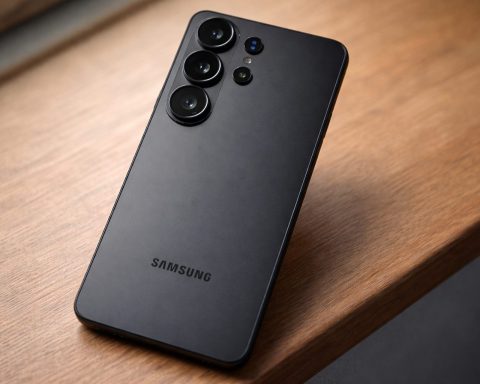
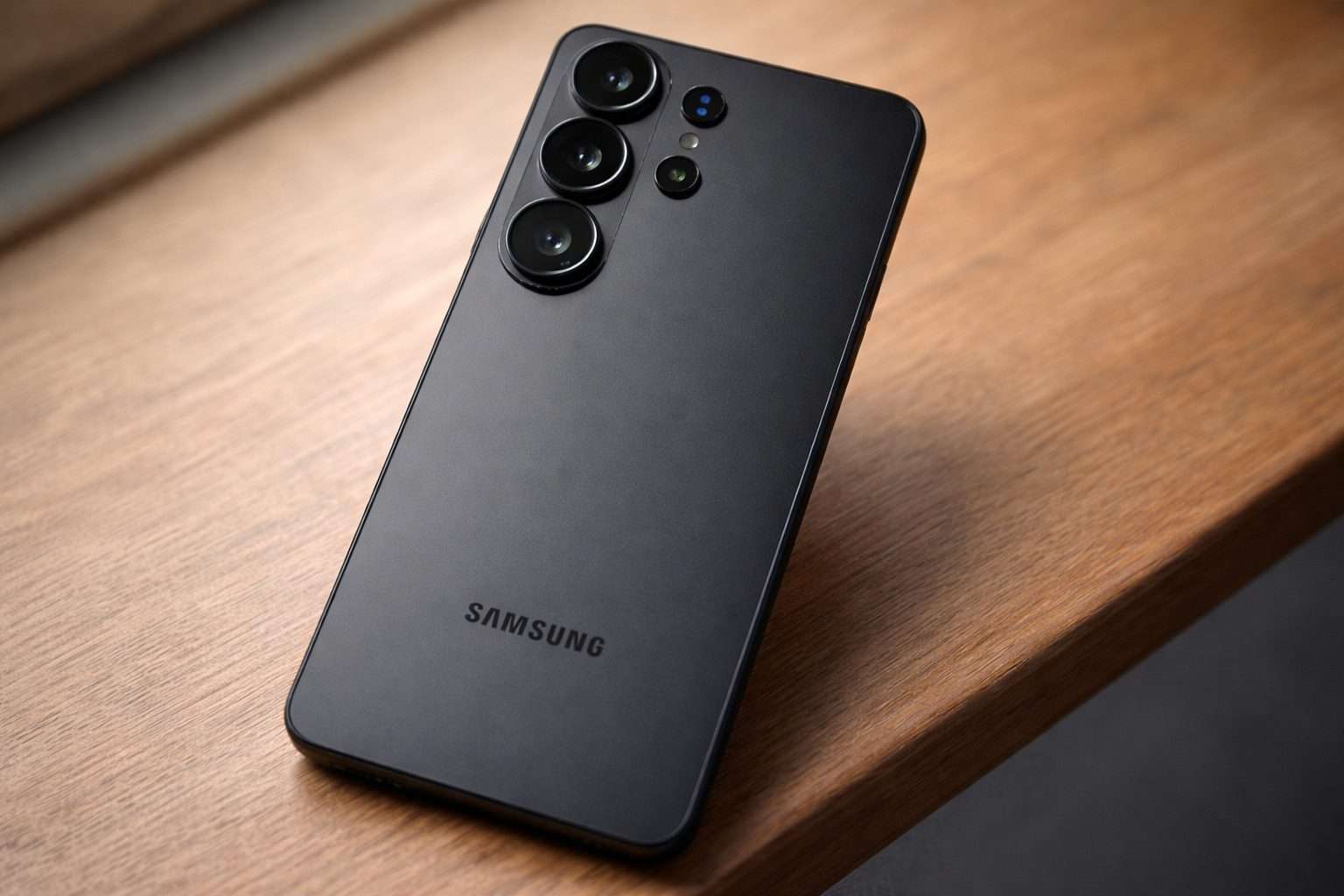
Design leaks have also picked up. PhoneArena reported images shared by leaker Evan Blass showing Galaxy S26 devices in UAG cases, with all three models appearing to return to a camera “island” — now pill-shaped — and the Ultra model adopting rounder corners closer to the standard and Plus designs. The report also tied the images to talk of Qi2 wireless charging support and repeated a rumored Feb. 25 unveiling date. (PhoneArena)
On the satellite side, the filings cited in the reports reference standards linked to “Supplemental Coverage from Space” and “Non-Terrestrial Networks” — industry frameworks meant to let phones connect to satellites when there is no terrestrial signal. SamMobile said the documents also point to Qualcomm’s Snapdragon 8 Elite Gen 5 “for Galaxy” chipset for the U.S. models and noted Skylo as a likely connectivity provider.
What remains unclear is what Samsung will actually ship and where. Certifications can signal hardware capability but do not guarantee a feature will be turned on at launch, offered globally, or priced as a free add-on; service terms can depend on carriers, satellite partners and local regulation.
There is also a downside scenario for the new privacy layer: narrowing viewing angles can reduce brightness and make displays harder to read, especially outdoors, even if Samsung’s approach is switchable. And “official-looking” case images have a long history of reflecting pre-release designs that still change.
For now, the filings and teasers add up to a simple message: Samsung is lining up satellite connectivity and privacy features as headline talking points for the Galaxy S26 cycle, as it tries to keep pace with Apple and Google at the high end.
More details are expected when Samsung formally outlines its next Galaxy devices at its upcoming Unpacked event.