Seoul, January 9, 2026, 19:07 KST
- Samsung Galaxy phones can unlock a hidden Wi‑Fi settings page called Connectivity Labs through “Intelligent Wi‑Fi”.
- The menu adds Wi‑Fi diagnostics and controls, including coverage checks and faster switching to mobile data.
- Some options may affect battery life, hotspot behavior, and mobile data use.
A hidden Wi‑Fi troubleshooting menu called Connectivity Labs is drawing fresh attention among Samsung Galaxy users after a MakeUseOf guide published on Thursday outlined how to enable it and what it unlocks. The feature adds diagnostics and extra controls that do not appear in the standard Wi‑Fi settings. 1
The timing matters because unstable Wi‑Fi is a daily problem, not a niche one. Phones can stick to weak networks longer than users want, and the handoff to cellular often comes too late for video calls, maps, or streaming.
It also lands as phone makers increasingly sell “connection quality” as a software feature. More devices now juggle multiple Wi‑Fi bands and newer standards, and the decisions about when to roam or switch networks can change the feel of a phone.
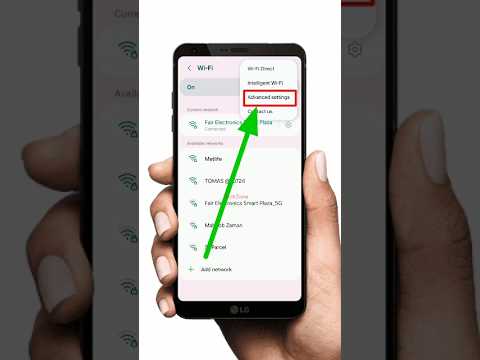
Connectivity Labs sits under Samsung Electronics’ “Intelligent Wi‑Fi” section in One UI, its version of Android. Android Authority reported that users can reach it through Settings > Connections > Wi‑Fi, then open Intelligent Wi‑Fi and repeatedly tap the Intelligent Wi‑Fi button until a prompt says the lab is enabled; it said the menu showed up on phones running One UI 7 and the One UI 8 beta, and should also be present on One UI 6-era devices. 2
Once switched on, the page opens with charts showing recent Wi‑Fi use and which bands the phone used, then a “Home Wi‑Fi inspection” walk-through that checks for weak spots as you move around. Tech Advisor said the menu also offers a “switch to mobile data faster” toggle aimed at preventing the phone from clinging to a poor Wi‑Fi signal, plus filters that can narrow the Wi‑Fi list to, for example, secured networks or Wi‑Fi 6 connections. 3
Another toggle governs whether a phone auto-connects to carrier-run hotspot networks. Google’s Android documentation describes “carrier Wi‑Fi” as an auto-connection feature that uses encrypted IMSI — a subscriber ID stored on the SIM — on Android 9 and later, and says it can offload traffic in congested places such as stadiums or underground stations; Samsung’s lab menu lets users disable the behavior if they prefer to pick networks themselves. 4
Rival ecosystems offer similar tools, just not buried behind taps. Apple says Wi‑Fi Assist can automatically switch to cellular when Wi‑Fi is poor, while Google says Adaptive connectivity on Pixel turns on 5G only when an app needs added speed; Google Pixel technical program manager Harrison Lingren wrote that Adaptive Connectivity helps users “get the most out of your battery” by switching between 5G and 4G depending on the task. Apple Google 5