
London, May 1, 2026, 17:02 BST
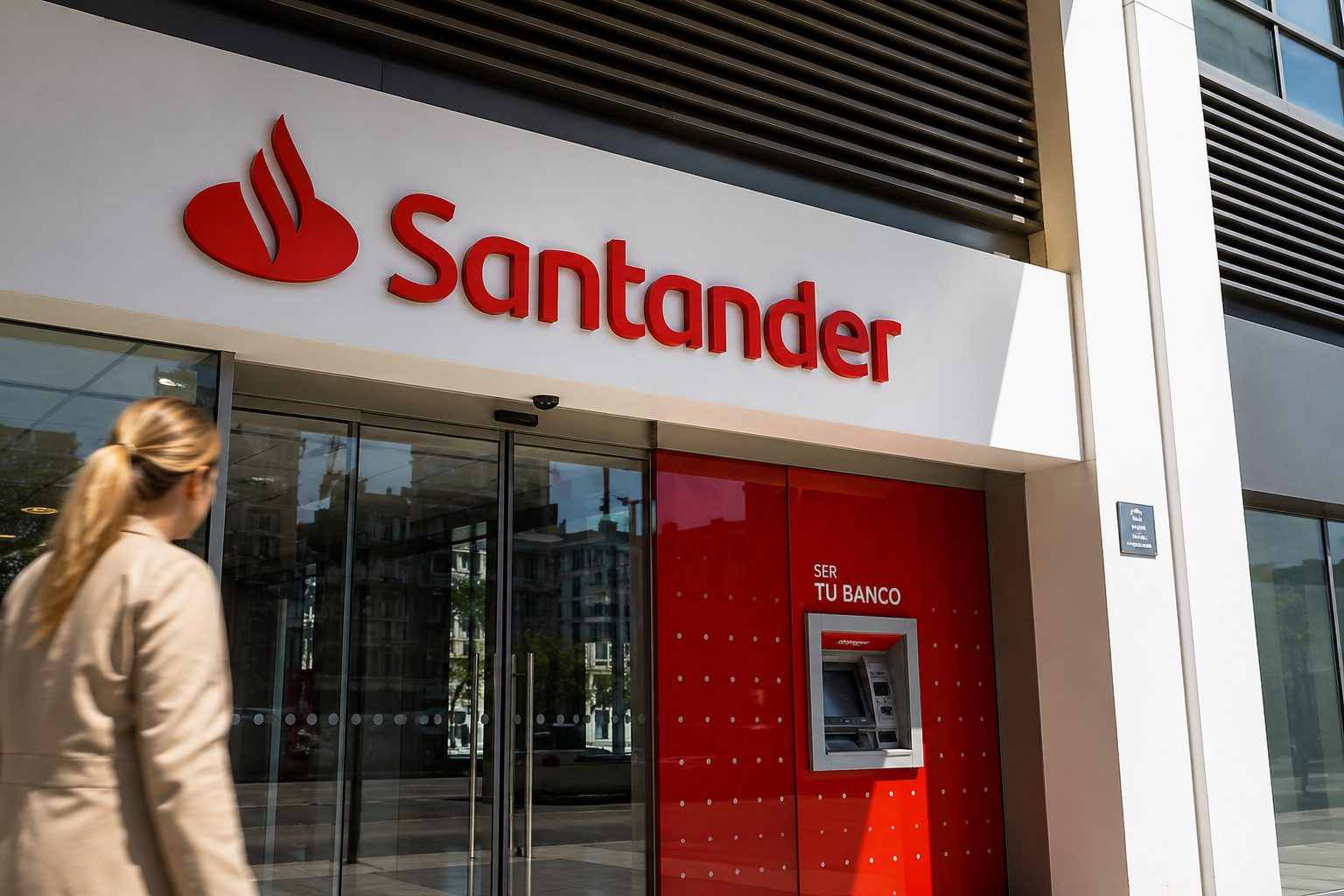
Santander UK has wrapped up its acquisition of TSB, expanding its UK retail banking presence in a deal finalized after extended scrutiny from regulators. According to a U.S. regulatory filing, Santander UK paid £2.65 billion for TSB’s share capital, with an extra £213 million tacked on, reflecting an estimated adjustment linked to tangible net asset value—essentially, TSB’s hard assets minus intangibles such as goodwill.
This shift is significant, shaking up the upper tier of Britain’s high-street lenders. TSB stated the merged entity now ranks third in UK current account balances, and fourth for mortgages. The numbers: about 5 million TSB customer accounts, and gross customer assets close to £71.5 billion.
Santander is keeping it simple for its customers: nothing’s different today. The bank reassured Santander account holders that their accounts, cards, and day-to-day banking won’t be affected right now. TSB will still run as its own brand and bank—for now, branches stay separate too.
Banco Sabadell, which previously owned TSB, confirmed it wrapped up the sale at £2.863 billion—roughly €3.3 billion—factoring in the £213 million generated by TSB ahead of the deal’s close. The transaction nets Sabadell a capital gain near €300 million and sets up an extraordinary €0.50-per-share dividend, payable May 29.
Santander UK Chief Executive Mahesh Aditya called it “excellent news for UK banking,” describing the deal as the sector’s largest investment in over 15 years. TSB Chief Executive Nicola Bannister described it as a “significant new chapter” for the lender. TSB
“The timing couldn’t be better,” Sabadell CEO César González-Bueno said, adding that the deal frees the Spanish lender to concentrate on its home market. Marc Armengol, about to step in as Sabadell’s chief executive after leaving his role at TSB, called TSB a “success story” for the UK. bscomunicacion
It’s a clear-cut advantage. Lloyds remains the dominant force in UK retail banking. Nationwide climbed up the leaderboard after its acquisition of Virgin Money. Now, with Santander snapping up TSB, it gains heft to better match Lloyds, Nationwide, and NatWest across deposits, mortgages, and everyday accounts.
Santander has pinned down strict financial goals for the acquisition. The bank is sticking with its forecast of at least £400 million in cost synergies — that’s savings expected from merging duplicate systems, offices, or processes. Santander UK’s return on tangible equity is targeted to reach 16% by 2028. The group is also bracing for £520 million in pre-tax restructuring charges, spread across 2026 and 2027.
The real challenge comes after the deal closes. Santander UK plans to fold TSB Bank into its own operations via a Part VII banking business transfer, targeting the first half of 2027. That move—a court-led process—still needs both regulatory sign-off and court approval. Until then, Santander UK and TSB will continue as separate legal and regulated entities.
There’s a customer risk, too. Santander flagged the potential for scammers to pose as either Santander or TSB following the takeover, trying to trick customers into handing over passwords, PINs, one-time codes, or even transferring funds to so-called “safe accounts.” The bank urged people not to respond to any surprise asks for security info. Santander UK
At this stage, the deal hands over control but leaves day-to-day banking untouched. Santander’s real challenge: pulling TSB into its UK operations smoothly, keeping customer service steady, hitting those projected cost cuts, and steering clear of the usual wave of branch closures and layoffs that big-bank integrations tend to trigger.