
London, June 23, 2026, 11:21 BST
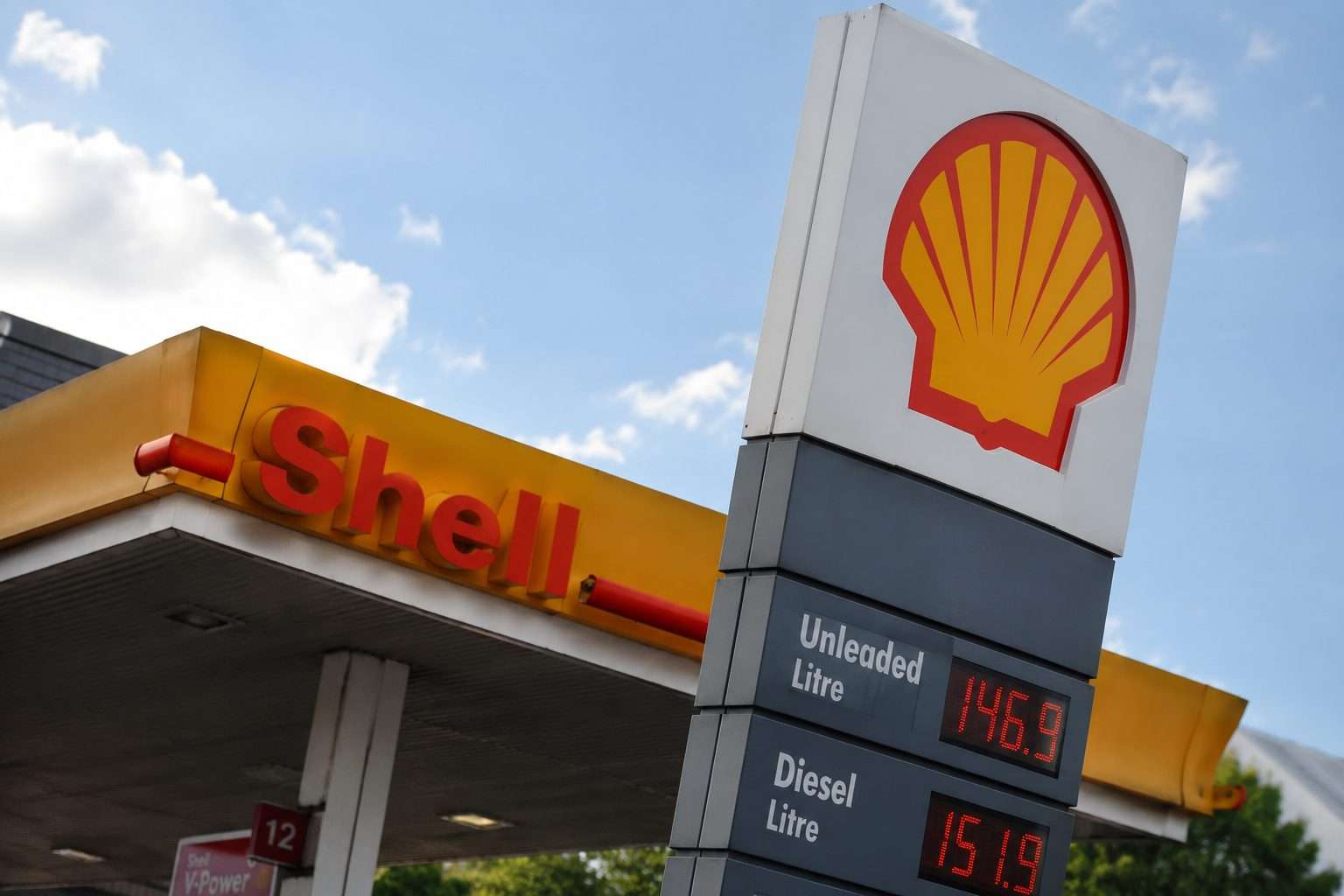
Shell Plc LSE:SHEL shares slipped 0.25% to 3,001 pence as of 11:05 BST on Tuesday, putting its market value near £166.5 billion. The stock started the day at 3,006 pence after finishing at 3,008.5 pence on Monday.
Brent crude dropped 0.6% to $77.47 a barrel by 1001 GMT, building on Monday’s more than 3% loss. Tanker movement is starting to pick up through the Strait of Hormuz after early U.S.-Iran talks. Ole Hvalbye at SEB Research said the deal was “new and fragile.” Tamas Varga at PVM Oil Associates said mines, damage to ports and congestion are still slowing a full reopening. Reuters
Shell feels it when crude prices drop. The company’s upstream production loses value, cutting into profits. Some of that hits gets cushioned by income from liquefied natural gas, plus refining and trading, which can help balance out losses.
Shell managed to outperform the London market, even as the FTSE 100 dropped 0.7% in morning trade, hitting its lowest level since June 12. Investors weighed the chance of interest-rate hikes and cut exposure to riskier assets.
Shell CEO Wael Sawan last week took a longer-term stance, saying global demand is set to lift oil and gas prices over the next five to 10 years. He pointed to crude trading around $60 to $70 per barrel as a relatively stable range for the industry.
Shell’s $16.4 billion ARC Resources deal is still drawing focus. The company paused its $3 billion share buyback program through July 14 due to securities rules ahead of ARC’s shareholder vote. Unfinished buybacks could move into later 2026 programs if the board clears it.
A buyback is when a company buys back its own stock, cutting down the total shares available and sometimes pushing earnings per share higher. Halting the buyback, even for a while, cuts out a usual buyer from the market, just as crude prices are slipping.
Shell says buying ARC would boost output by 370,000 barrels of oil equivalent daily and lift its projected production compound annual growth rate to 4% from 1% through 2030. The deal should increase free cash flow per share starting in 2027. CEO Sawan has called Canada a new “heartland” for Shell. Shell
BP dropped 0.3% to 498.6 pence on the London market, missing out as investor hopes for higher earnings from conflict-hit oil prices faded. The sector as a whole slipped, not just Shell.
Shell faces more downside if Hormuz shipping returns to normal and extra Iranian oil hits the market, pushing down benchmark prices and upstream cash. Another outbreak of fighting could drive prices higher but would also bring back tanker and LNG snarls. If the ARC deal falls through, Shell loses production growth it’s counting on for the next few years.
Crude prices are driving action right now. Shell is still trading close to the key 3,000-pence mark, but the geopolitical premium that helped energy stocks after the conflict started has started to fade.