
London, June 11, 2026, 09:30 BST
- Shell shares traded higher in London early Thursday, after the stock outperformed the FTSE 100 a day earlier.
- Crude oil is front and center. Brent held close to $93 a barrel as traders looked at fresh U.S.-Iran tensions and reports from the Strait of Hormuz.
- Shell’s $3 billion buyback is still running, keeping some focus on returns to shareholders, but the programme could be paused if the ARC Resources deal goes ahead.
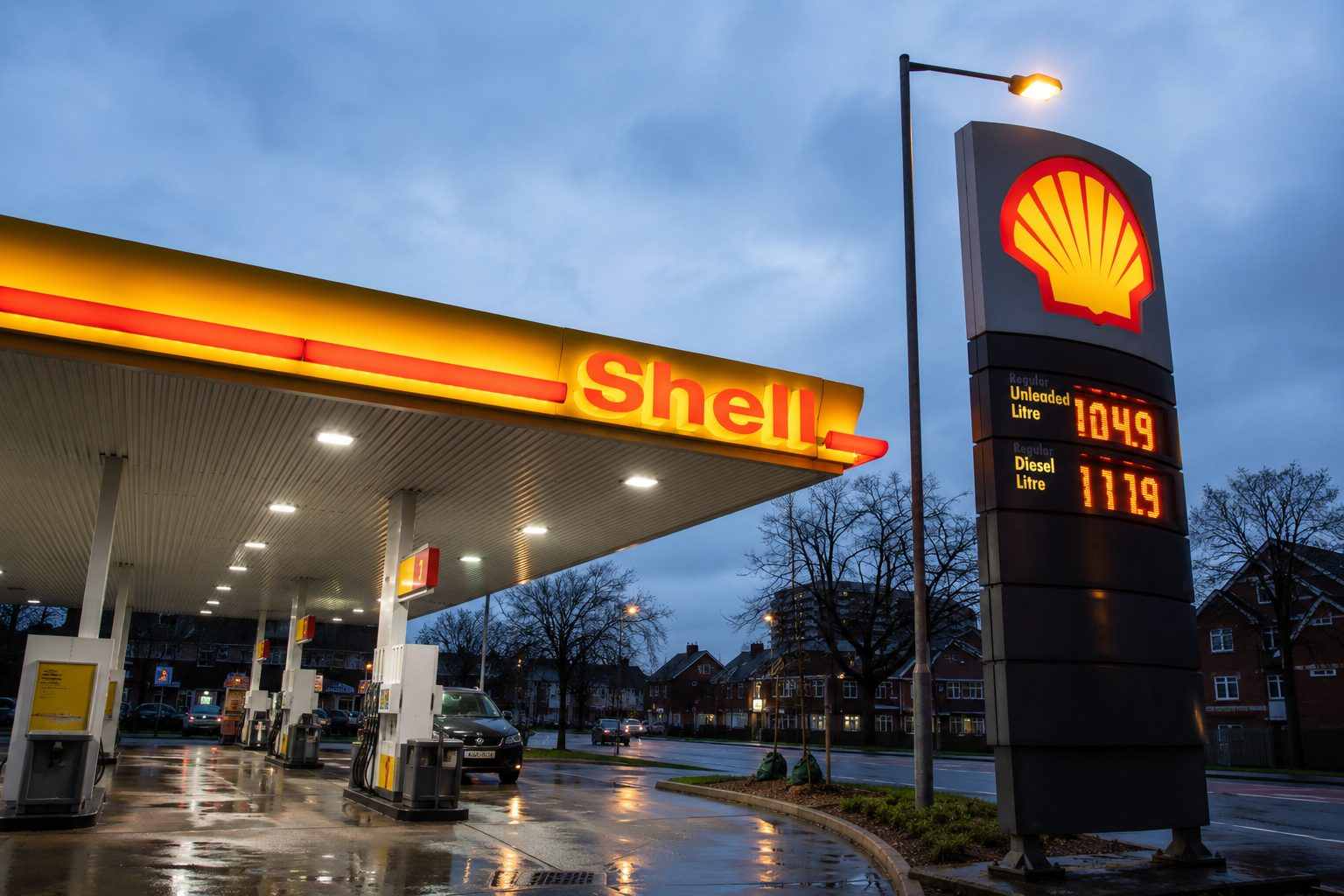
Shell Plc stock ticked up in London on Thursday, with traders sticking to the main theme this week: if higher crude prices from the Middle East unrest will keep Shell’s cash flow and buybacks steady. Shares were last at 3,258.5p/3,259.0p, up 0.60% from Wednesday’s 3,239p close.
Shell jumped 1.78% to £32.39 on Wednesday, outpacing the FTSE 100, which was up 0.27%. The gain came after Shell dropped 1.87% on Tuesday. Investors are moving past just covering Tuesday’s loss and are starting to price oil risk back into Shell shares.
Brent crude traded at $93.18 a barrel early Thursday, giving up earlier gains of more than $2. Reuters said prices jumped after fresh U.S.-Iran strikes and a claim from Tehran that the Strait of Hormuz was shut, but the rally lost steam as traders waited for signs of real shipment problems.
That’s what’s driving the Shell trade today. Higher oil prices help upstream profit and boost Shell’s trading earnings, but shares move on whether the market buys this supply shock as real and lasting. Reuters said commercial ships were still passing through the Strait. U.S. crude stocks fell 7.2 million barrels last week, more than the 4 million-barrel draw analysts had called in a Reuters poll.
Shell CEO Wael Sawan told investors Wednesday that over 10% of global crude is offline due to the Iran war, so they should watch how long the supply crunch lasts. He said inventory drawdowns mean the market is “borrowing from the future.” Sawan also sees it taking “close to a year, if not longer” for crude to balance out again. Reuters
Shell’s buyback is the stock’s second support. Buybacks are when a company buys its own shares, shrinking the share count and boosting what’s left for each shareholder. Shell said it bought back 1.90 million shares for cancellation on June 10 through the LSE, Chi-X and BATS. The company reported a volume-weighted average price between £32.14 and £32.16.
Shell is making the purchases under its $3 billion buyback program announced on May 7. The company says the plan is aimed at cutting share capital, with the current buyback running through July 24, depending on market conditions.
Why now? Shell’s pitch to investors is straightforward for the moment: are high oil and gas prices enough to keep paying out to shareholders as the Middle East puts more strain on operations? In the first quarter, Shell reported adjusted earnings just below $7 billion and over $17 billion in cash flow from operations before working capital. Working capital means cash held in inventories and receivables.
There’s a catch. In its Q1 update, Shell said Middle East conflict had affected parts of its business. The biggest impact was in Qatar, where Pearl GTL Train Two was damaged and could be out for about a year. That’s a key reason why stronger crude doesn’t always help the stock. Disruption can push up prices and create more trading, but it also hits production, logistics, and repair expenses.
BP climbs on crude rally; gains not limited to Shell. BP shares added 2.12% Wednesday, ahead of the wider UK market, as traders bought into UK oil majors after crude’s move, not just on the back of Shell news.
Shell’s biggest risk is that the oil premium could fade quicker than many expect. Reuters flagged that Thursday’s gains in crude didn’t hold up since there was no confirmed rerouting or halt to oil passing through the Strait of Hormuz. Shell’s own filing also names crude and gas volatility, shifts in demand, currency changes, new regulation, conflicts in different regions, and how fast the energy transition moves as risks to future performance.
Shell’s slight share move today puts the focus on buybacks and timing. The company plans to suspend its buyback after it publishes the ARC Resources shareholder circular, holding off until the ARC shareholder meeting. Shell said missed repurchases will be pushed into 2026 buybacks if the board agrees. Next up: Brent over $90 is just part of the story. Investors are watching the Strait, the ARC vote, and Shell’s July 24 buyback window to see if the cash return stays on track.