
LONDON, June 6, 2026, 14:09 BST
- Shell closed Friday at 3,227.5 pence in London. Trading is now paused for the weekend.
- Raizen’s debt discussions draw investor focus Monday, while Shell’s June 8 dividend currency cutoff also lands then.
- Oil is still the major swing factor after Goldman Sachs pointed to weak demand and potential supply-side upside risks.
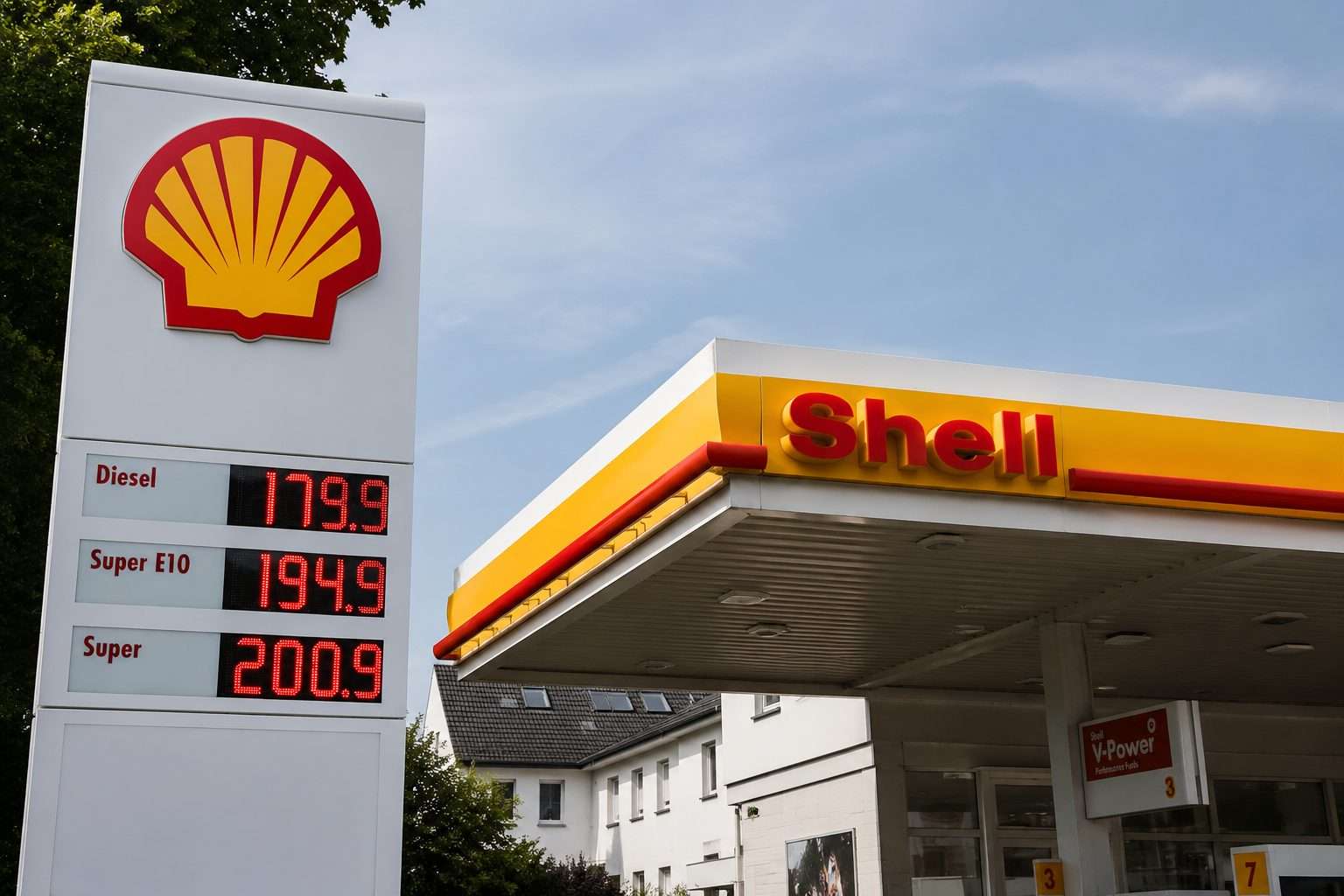
Shell Plc starts the week with London shares steady at 3,227.5 pence. On Friday, investors were watching moves in Brazil to clear up some Shell-linked debt while oil prices swung again. London trading is closed over the weekend, with the London Stock Exchange set to reopen Monday.
Shell’s share price is caught between two currents right now. The FTSE 100 edged up 0.07% on Friday. Some traders were helped by signs the inflation risk for the UK from the Middle East war might not be as bad as expected. “Recent evidence supports our view that labour-market weakness will limit second-round inflation effects,” said Paul Dales, chief UK economist at Capital Economics. Reuters
Raizen, the Brazilian sugar and ethanol company that is part-owned by Shell and Cosan, said its Raizen Energia arm is selling its Argentina downstream operations to Mercuria Energy Group for $1.42 billion. The deal covers the fuel retail and distribution part of the business. Raizen said it plans to put the net proceeds toward its capital structure. The announcement comes as creditors are reviewing a debt restructuring of about 65 billion reais, with bondholder meetings running through Monday.
Shell holders looking at Raizen may see only part of the picture. Still, Raizen does show that keeping portfolios cleaner and capital tight has a place, even while oil is in control of the narrative.
Shell’s cash return strategy is still a key point for the stock. On May 7, Shell said it began a $3 billion share buyback, a programme meant to return cash and cut share count, with cancelled shares. Shell also said it might pause the buyback when the ARC Resources shareholder circular comes out and during the ARC shareholder meeting.
Oil remains volatile. Goldman Sachs on Friday said global oil demand dropped more than it thought, pegging the hit at 4 million to 5 million barrels per day in April. Brent crude closed down 2.04% at $93.09 a barrel Friday, while U.S. West Texas Intermediate finished at $90.54.
Shell and BP both move with crude prices, and they’re compared closely as UK-listed oil majors. Reuters said UK energy shares climbed 1.6% on Wednesday, with crude up about 2% as Middle East tensions grew and chances for a U.S.-Iran agreement slipped.
The risk isn’t one-sided. If tankers move quickly through the Strait of Hormuz and demand stays weak, crude could fall and Shell’s upstream cash flow could take a hit. But another supply squeeze could boost oil, squeezing consumers and hitting fuel demand. Exxon Mobil exec Neil Chapman said inventories are getting “really, really low” and prices might “shoot up”. Mehmet Beceren at Rosenberg Research said either consumers “pay more” or demand gets destroyed. Reuters
Shell shareholders have a small deadline to track Monday. June 8 is the last day ordinary shareholders can choose their preferred currency for the first-quarter interim dividend. Sterling and euro rates will be set June 15, and the dividend is set to pay June 29.
Shell stock is moving with oil this week, while Raizen credit talks are in focus. Buybacks and dividends are also on the table. The market hasn’t settled if the energy shock is over or taking a break. So the week ahead won’t be a straightforward earnings story.