
LONDON, June 18, 2026, 10:10 BST
- Shell dropped 1.5% to 2,988.5 pence by 10:09 BST, pushing the stock under £30.
- Brent crude dropped to a three-month low, trading near $78 after the U.S. and Iran reached an interim peace deal.
- Shell has put its $3 billion share buyback on hold through July 14 as it waits for shareholders to vote on the $16.4 billion ARC Resources deal.
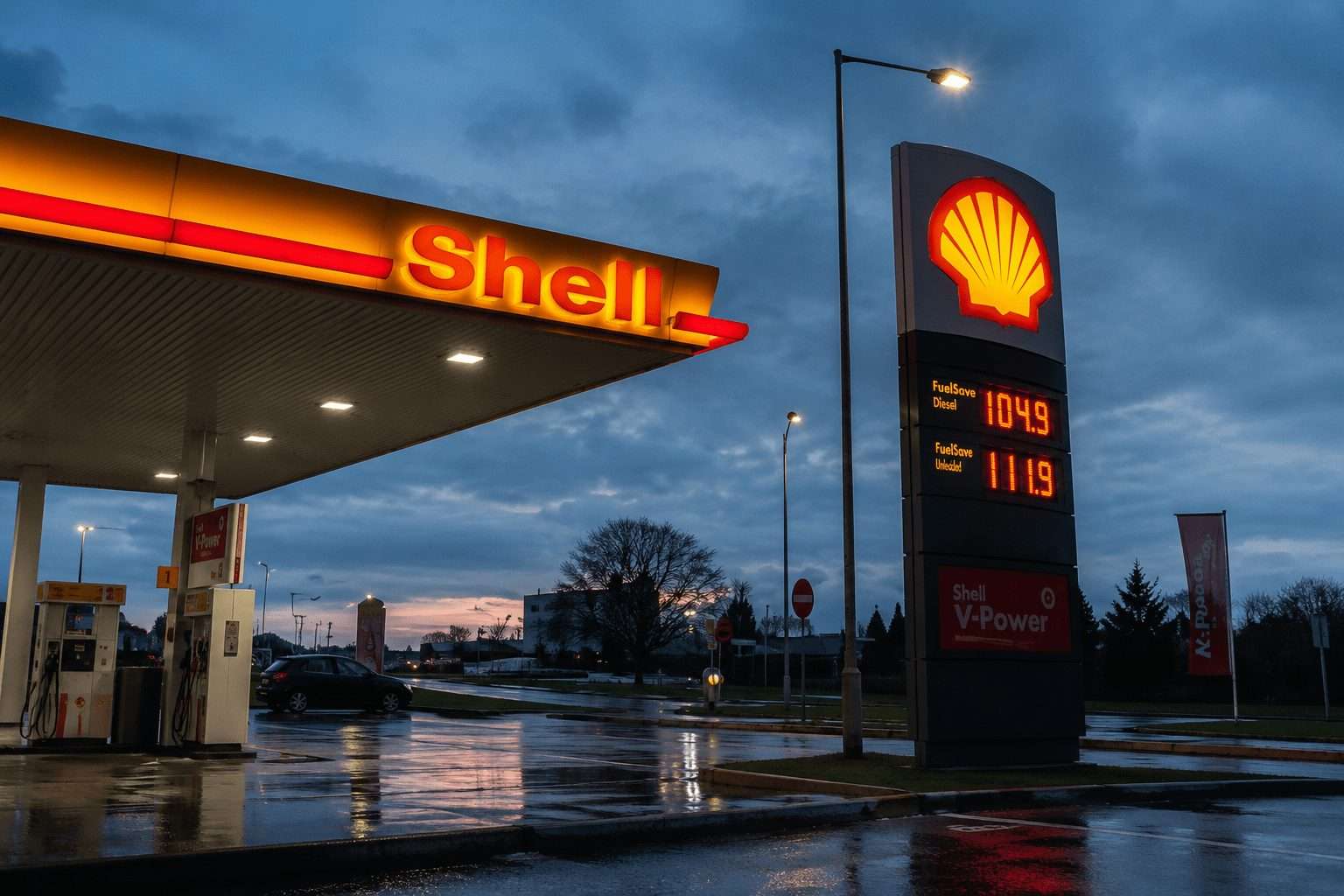
Shell shares slipped under £30 in early trading in London on Thursday. Oil prices slid again, taking the shine off hopes for a lift in global growth after the U.S.-Iran deal. The stock traded near 2,993 pence in delayed quotes, down roughly 1.4%. It settled at 3,035 pence the previous session.
Crude’s geopolitical premium is fading fast. Brent slipped 2% to $77.96 a barrel after the deal, which aims to restore all shipping through the Strait of Hormuz within 30 days. IG’s Tony Sycamore said the market is factoring in a “faster-than-expected return of Iranian barrels.” Matt Stanley at Kpler said the situation still isn’t “quite a long way off from being normal.” Reuters
Shell’s upstream production takes a hit from lower crude, while cheaper feedstock could boost refining and trading. With the buyback on hold, the shares lose a source of support. A buyback is when a company buys and cancels its own stock, shrinking the amount in the market. With the program paused, that buying stops.
Shell wasn’t alone in heading lower. BP slipped 1.4% to around 498 pence and the FTSE 100 dropped 0.9% to 10,416.62. Shell’s losses tracked the weakness in other energy shares and the broader London market.
Shell CEO Wael Sawan on Wednesday said oil and gas prices could climb over the coming five to ten years, warning that the days of easily tapped resources are mostly over. “All the easy oil and gas has been found,” Sawan said at a Wall Street Journal event. The Wall Street Journal
Shell’s push for the ARC Resources buyout lines up with its plan to dig deeper into the Montney shale patch in Canada. The company says picking up ARC gives it another 370,000 barrels of oil equivalent a day and adds around 2 billion barrels in proved and probable reserves. CEO Sawan said the move turns “Canada as a heartland for Shell.” Shell
Shell posted better-than-forecast first-quarter numbers as the oil selloff got underway. Adjusted earnings came in at $6.92 billion. That’s ahead of the $6.36 billion expectation, with oil trading gains doing most of the work. The company bumped its dividend up 5%. CFO Sinead Gorman said this shows Shell’s confidence in its “long-term cash flows.” Reuters
Shell fixed its next quarterly payout at 29.18 pence a share, with the money due on June 29 for shareholders who qualify. The dividend gives investors a bit of income, but Shell’s earnings and stock still hinge on what happens with oil prices in the near term.
The selloff may not be a straight drop. The U.S.-Iran deal is only provisional and Gulf shipping won’t be back to normal soon; a setback could boost the oil risk premium again and help Shell. But if supply comes back faster, there’s a risk. The International Energy Agency points to possible sharp output growth by 2027, which could mean too much supply, cheaper crude and less cash for Shell’s future buybacks.