LONDON, March 20, 2026, 13:09 GMT
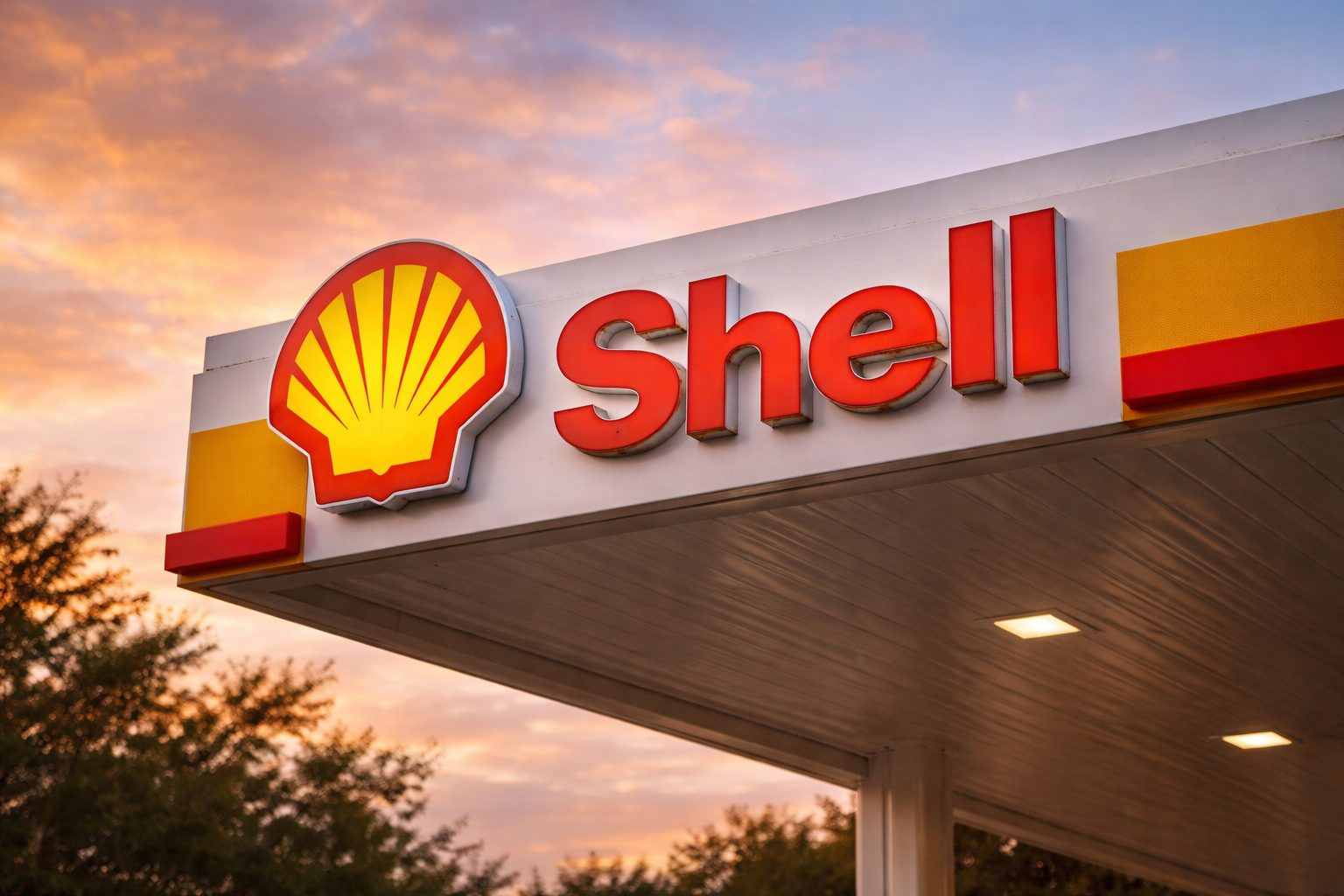
Shell Plc dropped roughly 1.2% in London trading Friday, with shares slipping to 3,421 pence—off by 40 pence—after it suspended output at its Pearl facility in Qatar in response to attacks at Ras Laffan industrial city. That’s according to Reuters market data. 1
Why does this matter? Investors are weighing whether gains from pricier oil and gas can offset the blow to Shell’s operations in Qatar. QatarEnergy chief Saad al-Kaabi told Reuters the strikes have sidelined 17% of the country’s LNG export capacity for three to five years. European gas prices surged up to 35% on Thursday. 2
Shell reported damage to one train at its Pearl GTL gas-to-liquids site, saying a fire was contained quickly and no injuries occurred. The facility, which can process as much as 1.6 billion cubic feet of gas per day into roughly 140,000 barrels of liquid fuels and other products, now faces a lengthy outage. Kaabi said repairing the GTL unit might take up to a year, adding, “For production to restart, first we need hostilities to cease.” 3
The spotlight’s also on Shell’s trading book. Earlier this month, the world’s biggest LNG trader invoked force majeure on Qatari cargoes the company buys and resells—a move that lets them halt deliveries when circumstances spiral beyond their control. India warned Friday that its own market stands to take a hit if Qatari supply gets squeezed. 4
Brent crude edged up 1.5% to $110.32 a barrel at 1030 GMT, but that didn’t help UK energy stocks—they slipped 0.9%. FTSE 100 tracked lower too, off 0.1%, with crude prices well below Thursday’s brief jump past $119. Traders watched for fresh inflation shocks that could lock in higher rates. 5
Winners emerged in other corners. Cheniere Energy surged to an all-time high, while Venture Global shot up as much as 13% Thursday as buyers scrambled for alternatives to Qatari supply. Exxon Mobil, for its part, owns stakes in two Ras Laffan LNG trains that were hit. Shell, on the other hand, is contending with halted production at its Pearl asset. 6
Tom Marzec-Manser, who oversees Europe gas and LNG at Wood Mackenzie, put it bluntly: prices are “likely to remain elevated for longer.” Ira Joseph, a fellow at Columbia University’s Center on Global Energy Policy, flagged the next big concern—possible delays at Qatar’s North Field expansion. If that project faces setbacks, he said, LNG prices could be forced even higher, regardless of demand softening. 6
Strategists are sounding more pessimistic. Charu Chanana at Saxo points out the conflict is starting to disrupt the “plumbing of the global energy system.” Uncertainty also hangs over the economic fallout, with Gilles Guibout, who oversees European equities at AXA IM Core under BNP Paribas Asset Management, saying the scale of the impact is still unknown. 7
The deal isn’t locked in yet. Washington has floated the idea of lifting sanctions on Iranian oil stuck on tankers and could tap the Strategic Petroleum Reserve for more barrels. Britain, France, Germany, Italy, the Netherlands and Japan all said they’re on board to help keep traffic moving through the Strait of Hormuz. Still, Ole Hansen at Saxo Bank doesn’t see energy prices snapping back fast, arguing “damage has been done to production.” 5
Reuters calculations from Shell’s annual report put the company’s 2025 Middle East oil and gas output—excluding Qatar—at around 307,000 barrels of oil equivalent per day, making up 11% of total group production. That figure sheds some light on why the decline has been kept in check. Even with Shell holding full ownership of Pearl and Qatari supply issues already leading to tweaks in LNG contracts, the effect has been limited. 8