WASHINGTON, January 31, 2026, 03:59 (EST)
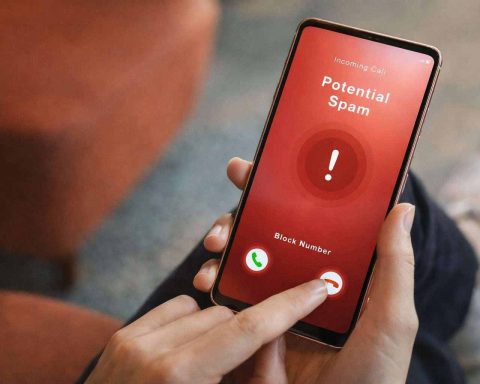
On Friday, a consumer-tech piece brought back the U.S. National Security Agency’s advice that iPhone and Android users reboot their phones regularly. It’s pitched as an easy move to help fend off certain types of hacking. (Indian Defence Review)
The renewed focus is crucial since some spyware uses “zero-click” attacks—hacks that don’t require the victim to click a link or open a file. Phones now store banking info, work messages, and location data. Apple has flagged certain WebKit vulnerabilities as possibly exploited in “an extremely sophisticated attack” targeting specific individuals. (Wsparcie Apple)
Security experts note that rebooting can wipe out malware that resides solely in a device’s short-term memory (RAM), vanishing once power is cut. “Any memory-resident malware is flushed” during a restart, Malwarebytes researcher Pieter Arntz explained, though such malware may return if it has persistence. (Malwarebytes)
The NSA’s “Mobile Device Best Practices” guide, refreshed in October 2020, advises users to “Power the device off and on weekly.” It also covers basics like turning off Bluetooth when idle, steering clear of public Wi‑Fi, and avoiding unknown links or attachments. (U.S. Department of War)
Some headlines and posts misuse the term “reset.” According to NSA guidance, it means a routine reboot or power cycle—not a factory reset that erases apps and data.
The advice applies to Apple’s entire iPhone range as well as Google’s Android ecosystem, covering devices from Samsung and other manufacturers. It’s designed as a simple hygiene tip, not a complex tool, and can easily slot into a weekly routine.
Apple’s security updates page shows iOS 26.2.1 as the newest iPhone software and notes it “has no published CVE entries,” so no specific vulnerability IDs were detailed. The company also reminds users, “Keeping your software up to date is one of the most important things you can do” to stay secure. (Wsparcie Apple)
But rebooting won’t fix the problem. Malware that digs in deep can stick around through a restart, and power cycling won’t patch the software flaw an attacker exploits or prevent phishing scams that fool users into giving up passwords.
Apple describes Lockdown Mode as an “optional, extreme protection” designed for a “very few individuals” like activists, journalists, executives, or officials who suspect they’re targeted by highly sophisticated threats. It’s not for everyday use, since it alters how devices function daily. (Wsparcie Apple)
For most users, the reboot advice falls into familiar territory: basic steps, often overlooked despite their simplicity. Weekly restarts can shrink the opportunity for some attacks, but it’s really quick patching and cautious link-clicking that carry the bulk of the defense.