
Sydney, June 11, 2026, 07:03 AEST
- Sigma said it’s in early talks about a possible sale of Boots, the UK pharmacy chain.
- The stock dropped over 5% to A$2.76 on Wednesday, while Australia’s benchmark index was higher.
- Investors are considering a bigger UK push only weeks after Sigma put forward a smaller GreenLight/Chemist Warehouse plan.
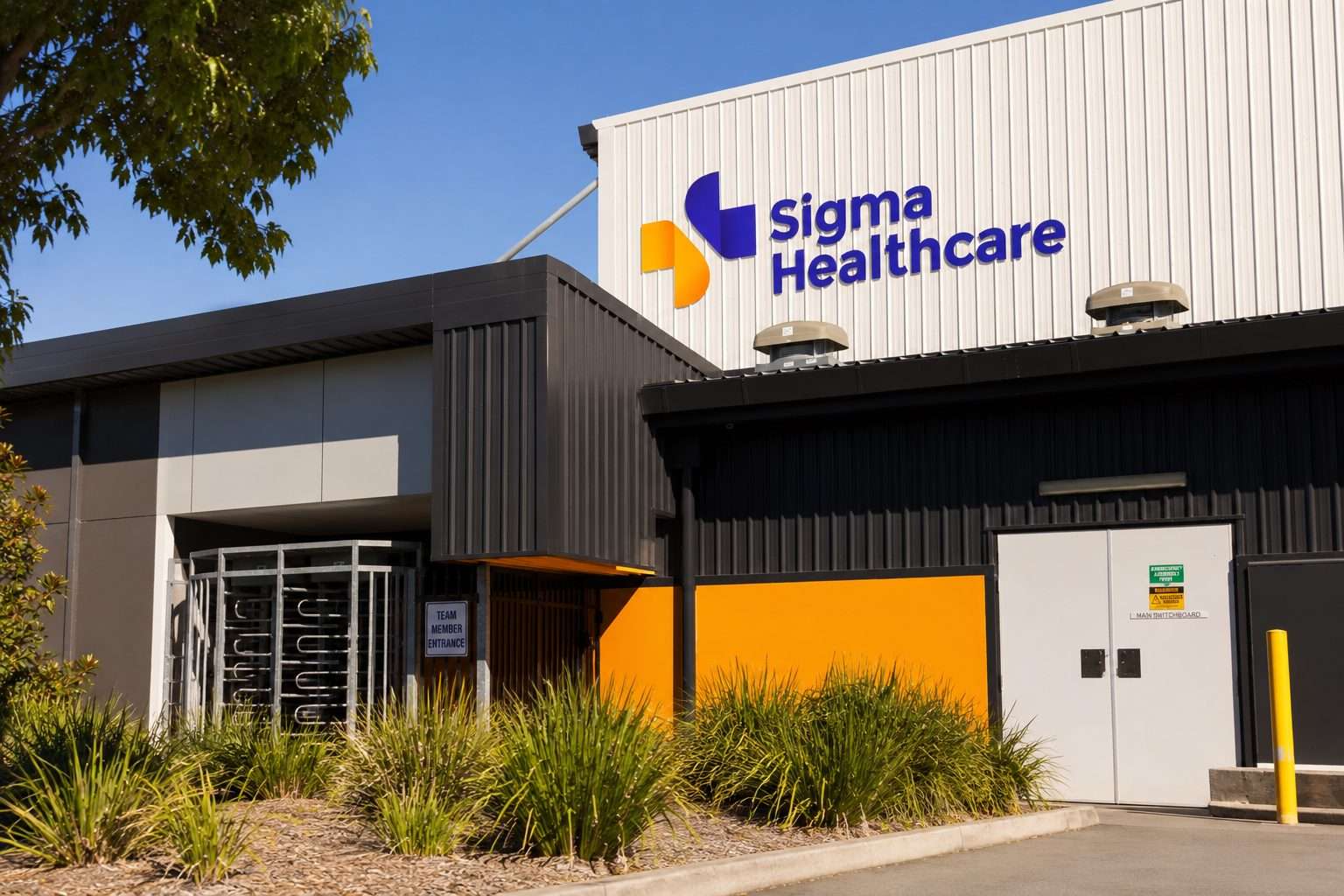
Sigma Healthcare Ltd shares dropped Wednesday after the Chemist Warehouse owner said it has started early talks about a possible Boots Group sale. What started as a slow UK expansion is now raising bigger doubts around deal size, funding and execution. Reuters said Sigma lost more than 5% to A$2.76, the lowest close since April 28. Australia’s main index closed up 0.7%.
Sigma’s interest in the UK wasn’t news for investors—they knew that part. The shift now is about scale. Sigma’s brief ASX update said it looks at deals that could boost shareholder value and has started early talks on the Boots sale. But Sigma also cautioned a deal may not happen.
Sigma is in early talks to buy Boots, Reuters said, citing an earlier Financial Times report that listed Sigma as a potential bidder. The deal could put a $10 billion price tag on the UK health and beauty chain. That’s far bigger than Sigma’s move in May to enter the UK with GreenLight Healthcare. Back then, Sigma said it would start small, rebrand and develop up to five locations under its Chemist Warehouse format.
Market moved on that. A limited UK push reads as strategy. A Boots deal looks like a balance-sheet and integration issue.
Marc Jocum, senior product and investment strategist at Global X ETFs, said to Reuters, “Today’s sell-off looks less like a verdict on Boots and more like a reflection of investor caution.” He said investors are still concerned about integration, funding, and execution after Sigma’s recent Chemist Warehouse deal and its expansion push in the UK. Reuters
Sigma is showing some operating momentum behind its plans. In its May update, the company said Chemist Warehouse-branded stores in Australia saw sales jump 16.7% for the financial year to April 30. Like-for-like sales, which strips out new stores, rose 14.4%. Sales at international Chemist Warehouse-branded stores climbed 24.7% for the financial year to March 31.
But the Boots deal shifts what investors are backing here. In May, Sigma said GreenLight owned 22 stores around London. Sigma was going to buy 75% of some of those stores, and GreenLight would keep 25%. They picked Hoxton Street in northeast London for the first opening under the plan.
The balance sheet didn’t stand out as a problem ahead of the Boots talk. Sigma’s net debt as of December 31 was A$635.1 million, a drop of A$117.1 million from before. That comes out to 0.6 times normalised EBITDA, which strips out one-offs and is before interest, tax, depreciation and amortisation.
Still, investors usually look at big overseas deals differently than at organic store growth. Boots would give Sigma more exposure to the UK pharmacy and beauty space. But it could also mean more currency swings, regulation headaches, lease liabilities, tech integration issues, and management distraction. New debt or equity for this deal would matter to Sigma holders, as the Chemist Warehouse tie-up is still in the integration phase.
Another risk is that the deal might not go ahead at all. Sigma’s ASX statement didn’t include a price, financing details, a timeline or a binding offer, and said the company can’t guarantee a transaction will take place. Reuters reported that Boots would not comment. Sigma did not reply right away to Reuters’ questions about the financial terms mentioned by the FT.
Sigma’s next move is key—will it remain in “preliminary discussions” or start a formal bid with details on financing? Until then, the stock could be driven less by Chemist Warehouse sales and more by whether investors think Boots is a smart next step or if it’s just too much, too fast.