Sydney, March 25, 2026, 07:01 AEDT
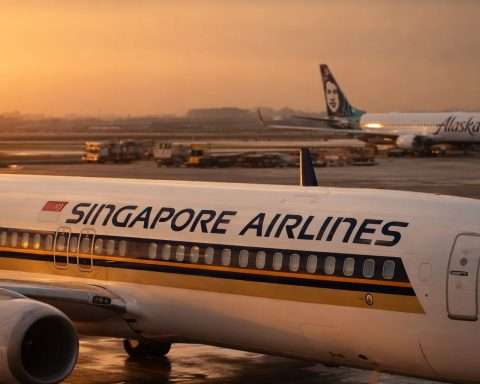
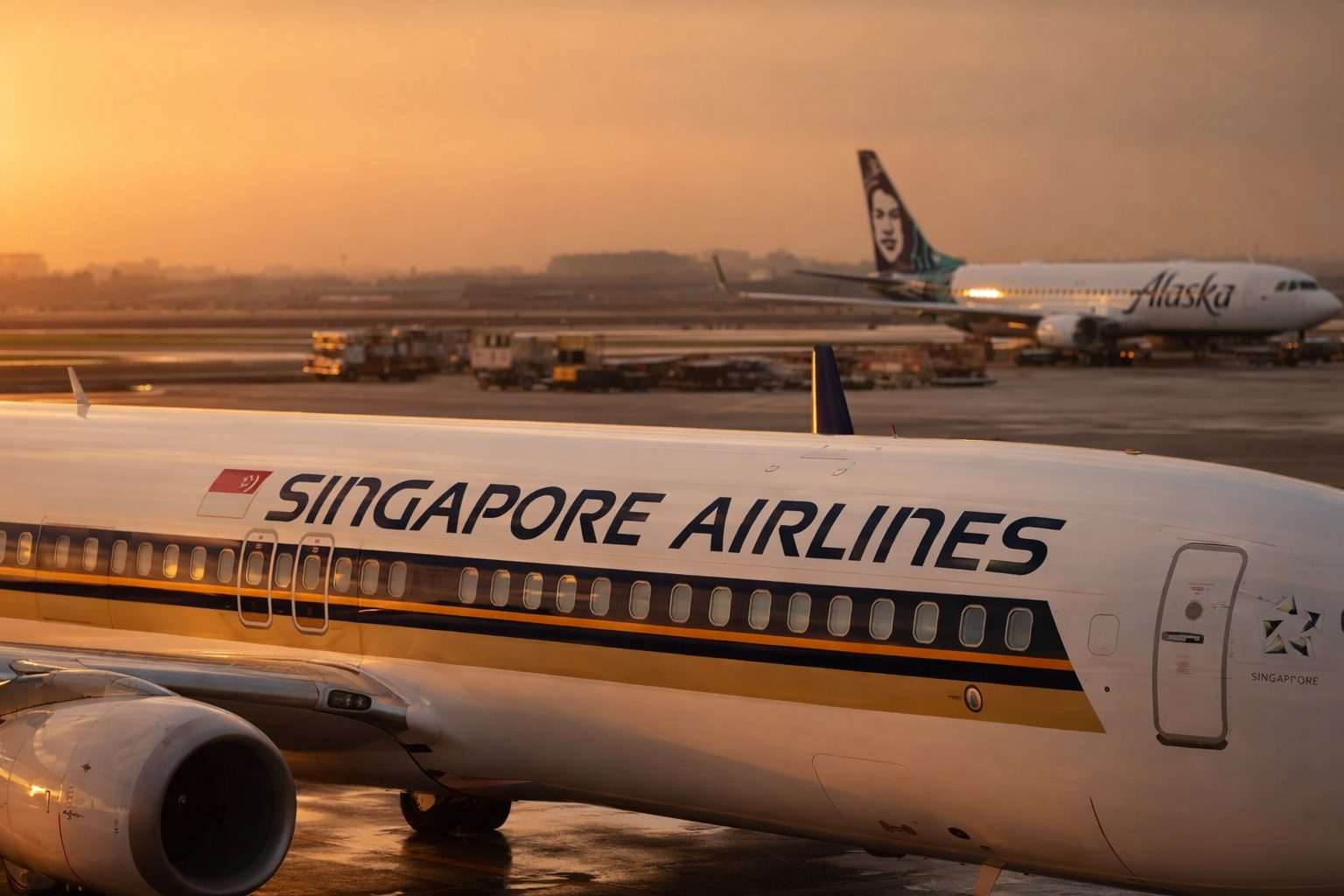
Singapore Airlines is now selling tickets for the debut international passenger service out of Western Sydney International Airport, with daily non-stop flights to Singapore scheduled from Nov. 23. With this launch, the carrier becomes the first foreign airline offering seats from Sydney’s new Nancy-Bird Walton Airport. 1
This sale is significant: for the first time, the city’s second major airport lands a confirmed international passenger schedule, coming about a month ahead of its expected October debut. Airlines, too, get an early shot at a Sydney airport without the 11 p.m. to 6 a.m. curfew that constrains Mascot, the main hub. 1
Singapore Airlines has confirmed the route still needs regulatory sign-off. The carrier plans to use a 303-seat Airbus A350-900 medium-haul jet. Flight SQ201 is slated to depart Singapore at 11:30 a.m., touching down in Western Sydney at 10:20 p.m. For the return, SQ202 leaves at 11:55 p.m., getting back to Singapore by 5:05 a.m. the following day. 2
Dai Haoyu, senior vice president for marketing planning at the airline, said the service is set to “deliver more choice” and strengthen onward connections via Changi, where the SIA Group already reaches over 130 destinations. Australian Transport Minister Catherine King noted that with ticket sales open, travellers can begin planning their next trip. 2
Singapore Airlines is adding a fifth daily Sydney flight, supplementing its current four to Kingsford Smith. The new route joins the carrier’s existing Sydney service. Over at Western Sydney, Qantas and Jetstar have also committed, and Air New Zealand expects to launch Auckland-Wester Sydney flights in 2027, once it has the planes. 2
For the moment, Western Sydney counts just four airlines—serving domestic, trans-Tasman, and some Asian routes. Sydney Airport dwarfs that, hosting over 50 carriers, most of them flying internationally. The new airport clearly has a long climb ahead in terms of scale. 1
WSI boss Simon Hickey pointed to the airport’s “24-hour capacity” and the reach of Singapore Airlines’ network, arguing that passengers will get more options for flight times and routes. That late-night departure out of Western Sydney? It highlights exactly why the airport is leaning into nonstop operations as a key advantage. 2
International cargo flights will kick things off at the airport in July, with passenger services following before year-end. With tickets going on sale Wednesday, the project notched its initial commercial passenger booking—a clear move from building to real-world operations. 1
The backdrop is far from stable. On March 22, Australia maintained it wasn’t looking to ration fuel, saying it had 30 days’ worth of jet fuel in reserve. Still, by Tuesday, hundreds of service stations nationwide were running short on petrol or diesel. The International Air Transport Association, which represents airlines globally, has flagged that a sustained Middle East conflict may push up ticket prices and could eventually lead carriers to cut back on flights. 3
Singapore Airlines is digging further into an already busy market, adding a second Sydney option with this route. For Western Sydney Airport, it’s a milestone—a first bookable international service, slotted for a late-night window Mascot can’t accommodate. 2