BRATISLAVA, February 18, 2026, 14:19 (CET)
- Slovakia has declared an oil supply emergency, clearing the way for Slovnaft to tap as much as 250,000 tonnes from the country’s state reserves.
- EU officials report that Hungary and Slovakia have enough stocks to last 90 days, yet they’re still pressing Ukraine to lay out a repair schedule.
- Croatia’s put a cap on how much extra Russian crude it’s willing to route through its ports and pipelines, citing sanctions and spiraling costs.
Slovakia has declared an emergency around the country’s oil supplies, Prime Minister Robert Fico said on Wednesday. The government is tapping 250,000 tonnes of crude from state reserves to keep Slovnaft’s Bratislava refinery running. Fico also flagged the cost of rerouting oil through Croatia’s Adria pipeline, calling it “more than five times more expensive” compared to the Druzhba line. Tasr 1
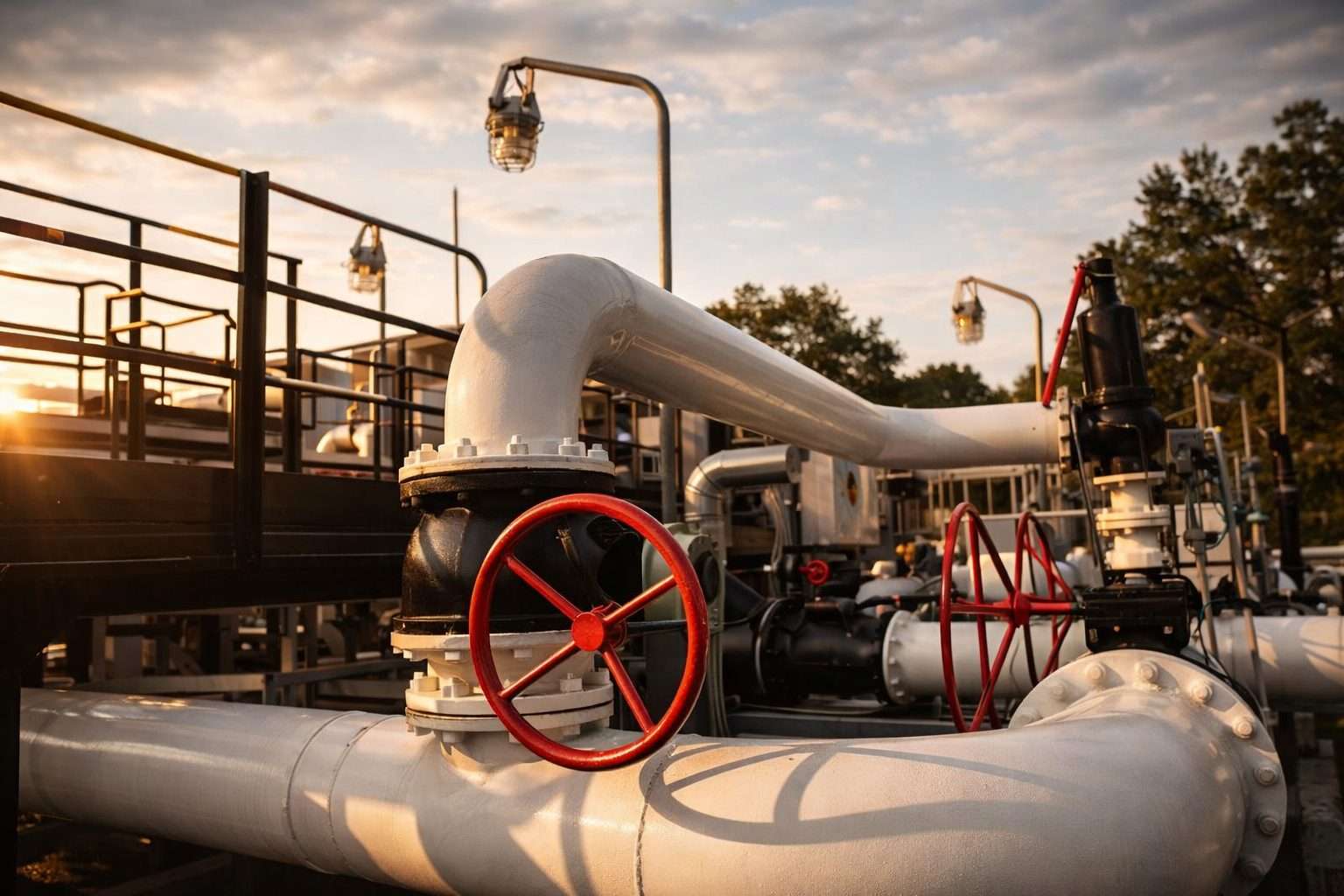
That decision finally puts a figure on an issue that’s been simmering since late January, after Russian oil shipments through the Druzhba pipeline stalled—leaving Slovakia and Hungary scrambling for other sources and dipping into their emergency reserves. The European Commission maintains there’s no immediate danger to supply, given both countries have the required 90 days’ worth of backup. But debate is intensifying over whether Croatia should be expected to facilitate more Russian oil imports via its ports under existing EU carve-outs. Croatian Economy Minister Ante Susnjar, in a written response, argued, “a barrel bought from Russia … helps fund war,” rejecting the idea of channeling additional Russian crude through Croatian networks. 2
European Commission spokeswoman Anna-Kaisa Itkonen told reporters in Brussels the EU has been “in contact with Ukraine on the timeline” for repair work, adding the bloc stood ready to call an emergency coordination group if they need to map out other supply routes. Hungary’s Foreign Minister Peter Szijjarto said Budapest aims to use its sanctions exemption to source seaborne Russian crude via Croatia if pipeline flows don’t resume. A Bulgarian think tank, meanwhile, said in a report that Central Europe could wean itself off Russian crude entirely by the end of 2026 without serious disruption. 3
Prime Minister Andrej Plenkovic took a guarded stance, pointing out that while the EU has an exemption in place, “US sanctions … say something completely opposite.” He said Croatia would have to consider how to balance its “neighborly role” with Washington and Brussels’ restrictions. Plenkovic also argued that Janaf, the state pipeline operator, already has the capacity to cover Hungary’s import needs—so, in his view, there’s no real need for Russian crude. Rigzone 4
The Czech Republic is ready to send Slovakia some oil, but only in limited amounts via a reverse flow on the Druzhba pipeline, according to Economy Minister Karel Havlicek. This setup would see oil moving east, opposite to the pipeline’s usual direction. Havlicek put it plainly: a “small amount” could be delivered fast, though any substantial increase would require technical upgrades—a process he estimates could stretch to about a year. 5
Slovnaft belongs to Hungary’s MOL, a company with significant refining operations across the region. A prolonged shutdown puts the situation in a tangled spot—engineering constraints, pipeline tariffs, and the unpredictable weight of sanctions enforcement all come into play, as policymakers work to sidestep disruptions to fuel supply or any spike in prices.
The way forward is messy. Should Druzhba remain limited and other routes fail to ramp up quickly, reserves might delay the crunch, but won’t fix the underlying cost or capacity squeeze. On top of that, legal uncertainties tied to Russian crude could keep certain avenues shut.
Slovakia is counting on its reserve release and a boost in alternative imports to keep its refinery system steady, even as Brussels and national governments haggle over demands and Ukraine weighs the timeline for restoring the damaged route.