
LJUBLJANA, Feb 5, 2026, 18:32 (CET)
- Slovenia is drafting legislation to ban social media access for children under 15, a deputy prime minister said.
- The cabinet has approved initial guidelines; ministries and experts will help shape the bill.
- The move follows similar proposals in Spain and Greece as Europe sharpens its stance on teen social media use.
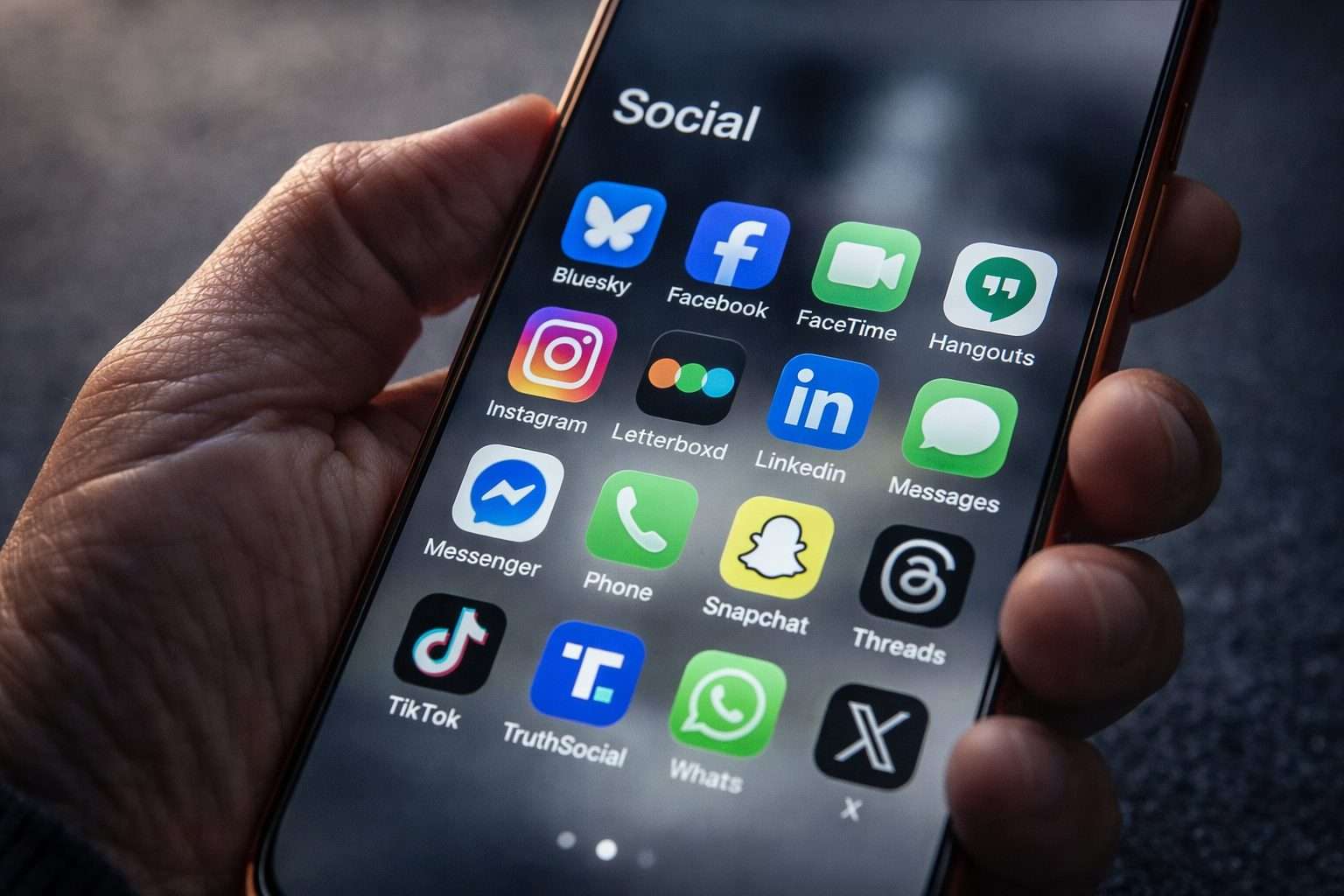
Slovenia is preparing draft legislation that would ban children under 15 from using social media, Deputy Prime Minister Matej Arcon said on Thursday. He named platforms including TikTok, Snapchat and Instagram.
The step lands as European governments shift from warnings to rules, with officials arguing some platforms are built to keep teenagers hooked. Spain has proposed a ban for under-16s, while Greece is close to announcing a similar restriction for under-15s, according to Reuters reporting this week.
The push is also starting to draw public blowback from big-name tech figures. In Spain, Telegram founder Pavel Durov criticised the idea, and X owner Elon Musk called Prime Minister Pedro Sanchez “a tyrant and a traitor to the people of Spain” in a post. Reuters
Slovenia’s cabinet approved initial policy guidelines at a session in Dravograd, Slovenian broadcaster 24ur reported. Officials briefly muddled the proposed threshold — first citing 15, then 16 — before the education ministry returned it to 15, according to the report.
The daily Delo said the education ministry initiated the move and that the ministry for digital transformation and outside experts would be consulted before legislation is written.
Arcon said the government wants to curb the negative effects of social media on children and adolescents. “This has been a hot topic around the world and in Europe,” he said after the session.
He said the government wants to regulate social networks where content is shared. Arcon pointed to TikTok, Snapchat and Instagram among services he wants covered by a new law.
Slovenia, a country of about 2 million people, said it was drawing on the experience of other countries as it drafts the legislation. Australia in December became the first nation to prohibit access to major social platforms for children under 16, adding to pressure for similar steps elsewhere.
But bans are easy to announce and hard to police. Any approach tends to hinge on age verification — checks to confirm a user’s age — and critics say that can mean more data collection while teenagers still find workarounds.
Major platforms and their owners have shown little appetite for blanket restrictions, warning they can push users to other apps and that age-check technology has limits. Representatives of Google, TikTok, Snapchat and Meta did not immediately respond to Reuters requests for comment on Spain’s plan earlier this week.
In Slovenia, Arcon said specialists in education and digital technologies would be involved in drafting the law. The proposal is still at the guideline stage, with the legal text yet to be written.