
TAIPEI, March 24, 2026, 03:40 (UTC+8)
- Average smartphone storage is on track to climb 4.8% by 2026, even as NAND flash prices increase, according to .
- Local processing for on-device AI functions eats up anywhere from 40GB to 60GB of system storage, according to .
- Rising memory prices are forecast to drive handset prices higher, squeezing demand on the lower end, according to analysts.
Smartphones are on track for a 4.8% bump in average storage capacity in 2026, according to TrendForce, despite pricier NAND flash memory. The firm pointed out on Monday that on-device AI tools now require 40GB to 60GB just for system space, which is prompting brands to increase baseline storage instead of scaling back specs.
This isn’t just a footnote; pricier memory chips are pinching phone makers now. Back in February, IDC projected smartphone shipments will drop 12.9% by 2026, reaching 1.12 billion units, even as average selling prices hit a new high—up 14% to $523—as brands push harder into the premium segment.
TrendForce points out that edge AI models—software running directly on phones, not in the cloud—tap this storage as cache, acting as working memory for local tasks. On top of that, the firm says NAND suppliers’ process upgrades are cutting back on low-capacity chip production, which is making it tougher to get hold of smaller storage tiers.
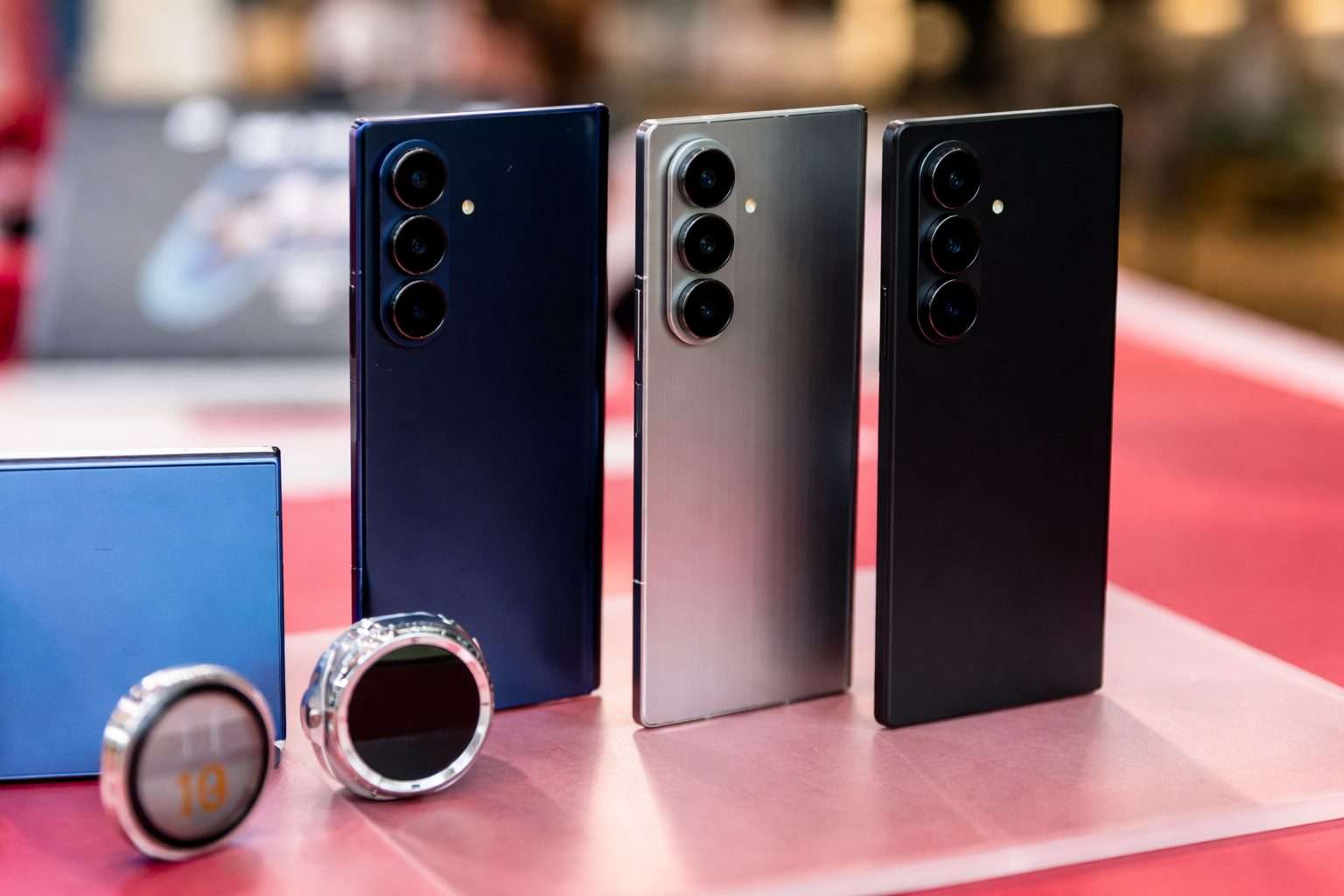
Flagship specs are making the change clear. Apple’s iPhone 17 starts at 256GB of storage, according to its technical sheet. Over at Huawei, the global Mate 80 Pro comes with 16GB RAM and 512GB storage. Samsung’s Galaxy S26? The lineup, as shown on Samsung’s site, appears in 256GB and 512GB versions.
Apple’s push is set to accelerate average iPhone storage growth ahead of Android over the course of this year, according to TrendForce. Premium brands—those with fatter margins—look set to continue offering higher default storage. Mid- and low-tier makers, though, are leaning toward keeping bigger capacities behind a paywall, not as standard.
Rising memory costs are a key factor. Back in February, TrendForce reported that memory components in a standard 8GB/256GB handset had jumped from 10%-15% of the total parts bill to as much as 30%-40%. That’s no small move—contract prices for this configuration in the first quarter ran almost three times higher than they did a year ago.
Francisco Jeronimo, IDC’s vice president for worldwide client devices, called it “a tsunami-like shock originating in the memory supply chain” back in February—emphasizing this isn’t just a temporary squeeze. IDC flagged Apple and Samsung as better positioned to weather it than their smaller Android competitors. Reuters
Competition keeps intensifying. According to TrendForce, premium brands holding onto pricing power are better positioned should costs remain elevated. In China, Huawei stands out, its flexible pricing and HarmonyOS ecosystem could help it weather the storm.
Bigger storage isn’t a free pass. According to Gartner, smartphone prices might jump 13% in 2026, and shipments could drop 8.4%. Analyst Ranjit Atwal didn’t mince words, calling it the “steepest contraction in device shipments witnessed in over a decade.” Gartner
According to TrendForce, 128GB storage is likely on its way out for mainstream Android models by late 2026, as 256GB takes over as the baseline. The speed of that transition outside high-end phones is going to hinge on whether consumers are willing to pay up for bigger capacity.