
NEW YORK, May 20, 2026, 12:02 (EDT)
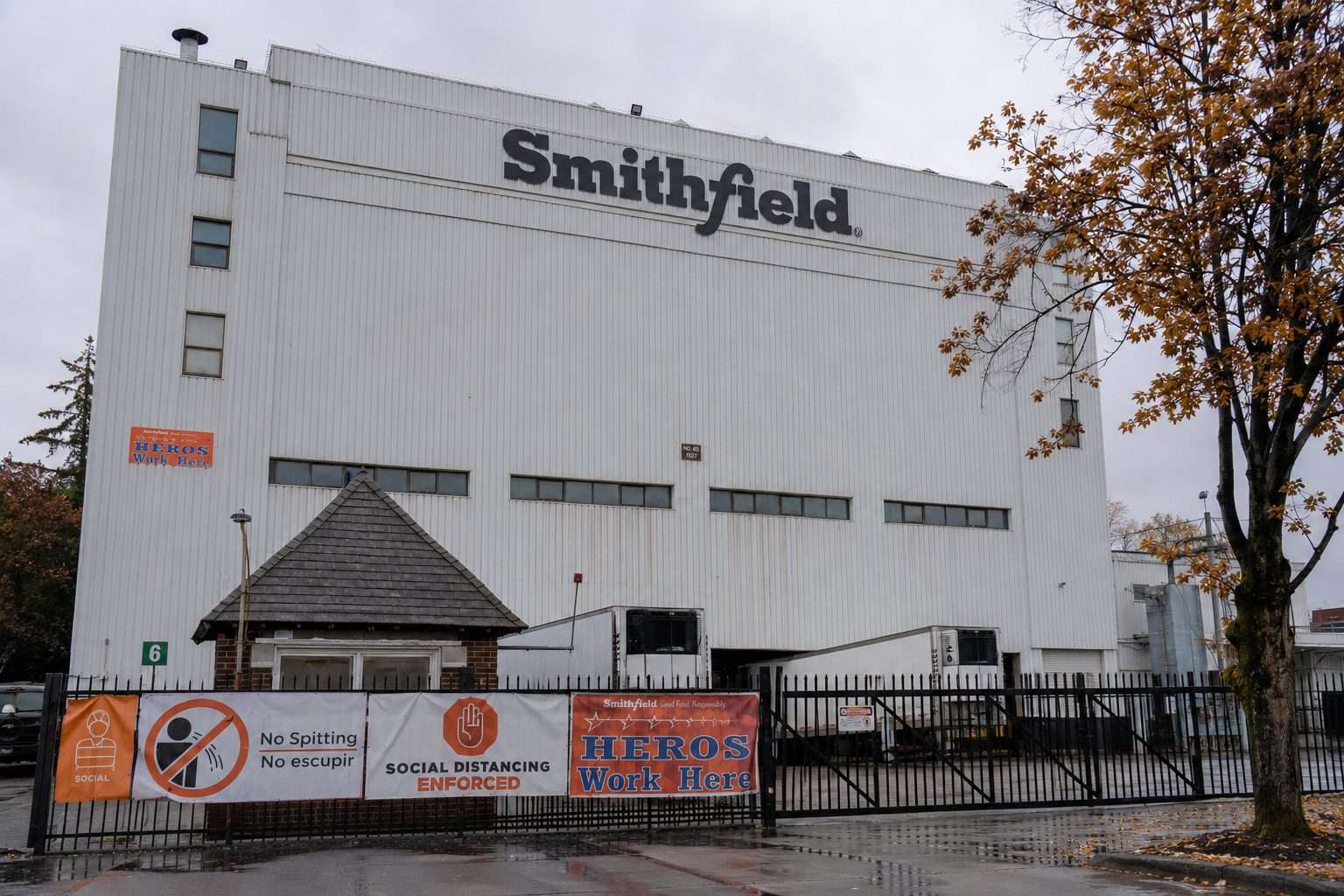
Smithfield Foods traded near flat on Nasdaq Wednesday, the stock hovering at $26.10 in late morning, up about 0.1%. The market cap stood close to $10.3 billion. Volume was thin at around 313,000 shares. That’s still on the light side as investors continue to assess the company’s 2025 public comeback.
Smithfield’s latest news wasn’t market-moving. The company announced more than $280,000 in Impact Grants to a dozen nonprofits, pitching its community efforts rather than results or forecasts. “Real needs and creating lasting positive change,” said Jim Monroe, vice president of corporate affairs. GlobeNewswire
The main thing now is whether the stock can steady after taking a hit in late April over cost worries. Smithfield shares dropped 8% on April 28 after executives warned about energy-related costs pressuring its packaged meats business, even though results topped first-quarter forecasts, Reuters said. Steve France, president of Packaged Meats, said the company was being “appropriately conservative” in planning for packaging and distribution spending. Reuters
Smithfield’s first-quarter report keeps bulls interested. Net sales rose 0.8% to $3.8 billion. Operating profit hit $333 million, with adjusted diluted earnings coming in at 64 cents a share—adjusted to remove what Smithfield calls non-core items. CEO Shane Smith said there was “strong performance in Packaged Meats.” The company kept its 2026 forecast for low-single-digit sales growth and an adjusted operating profit range of $1.325 billion to $1.475 billion. Smithfield Foods, Inc.
Brokers haven’t lost their optimism, but nerves are showing a bit. MarketScreener pointed out Morgan Stanley cut its Smithfield target to $30 from $31 on April 29 though it held its Overweight rating, which suggests the bank still expects outperformance.
Packaged food and meat stocks traded higher. Tyson Foods picked up roughly 0.5%, Hormel Foods climbed 1.5%, and JBS added 2.7% about halfway through the session. Smithfield was still behind its main protein rivals.
Risk is clear. Smithfield told investors in its recent quarterly filing that raw materials are its biggest cost of goods sold. Feed ingredients and hogs are the main drivers; fuel costs, China export tariffs, and energy and commodity market swings from geopolitical tensions also make the list. The company hedges to manage price swings but warns those contracts can cap gains and don’t always prevent volatility.
Smithfield’s next key date is its annual meeting on June 2. Until then, trading might slow. Investors are weighing if Smithfield can hold margins as buyers keep picking up bacon, ham, sausage and hot dogs at prices acceptable to both customers and shareholders.