
Tokyo—It’s 07:37 JST, May 9, 2026.
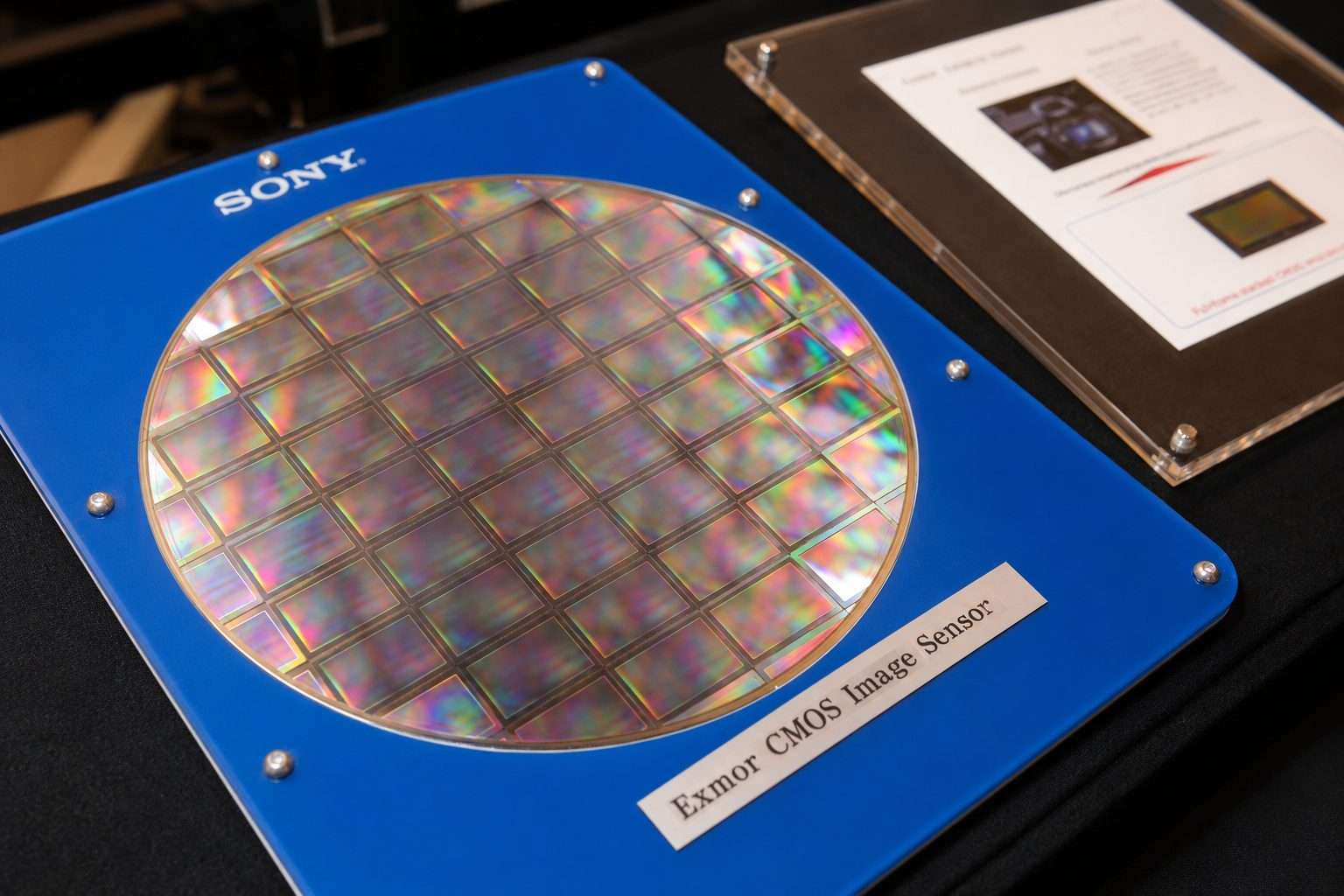
Sony Semiconductor Solutions is moving to establish a joint venture in Japan with Taiwan Semiconductor Manufacturing Co., with Sony set to hold control. The focus: next-gen image sensors. This arrangement pulls Sony further into AI hardware, while TSMC could see its profile rise in a key Japanese chip segment. Both companies inked a non-binding memorandum of understanding—a provisional step, with final contracts still to be hammered out.
This moment counts as image sensors—those chips translating light into digital signals—are now finding their way into cars, robotics, and an array of machines needing to “see” and respond to real-world cues. Sony leads the pack globally, yet its image sensor business remains heavily tied to smartphones, a segment marked by sluggish growth and stiff competition. Kobe Shimbun NEXT
Sony’s plan calls for setting up development and production lines at its brand-new Koshi facility in Kumamoto Prefecture, right where TSMC has already carved out a key role in Japan’s chip comeback. Sony added that future funding for the venture—and spending at its Nagasaki site—will roll out in stages, tracking demand and hinging on support from the Japanese government.
For Sony Semiconductor, this is a “significant initiative,” CEO Shinji Sashida said. Over at TSMC, Senior Vice President and Deputy Co-COO Kevin Zhang called it a “key step forward” for sensing tech as AI advances. Sony Group chief Hiroki Totoki, speaking at an earnings briefing, told reporters the alliance opens the door to new business in autos and physical AI, according to Reuters. TSMC
Sony’s latest earnings hit the wires with an extra twist: fresh details on how the company is looking for growth outside its core games, music, and film businesses. The group expects PlayStation 5 sales to slow as the console matures, projecting lower annual revenue from gaming. Still, Sony is targeting a bump in operating profit and has unveiled plans for a share buyback of up to 500 billion yen.
Sony remains well out front. In the second quarter of 2025, the company captured over 51% of the smartphone image sensor market, according to TechInsights—comfortably ahead of Samsung System LSI and OMNIVISION. That kind of lead lets Sony call the shots, but the pressure’s on: rivals are chasing with more advanced sensors, and device makers want to squeeze out stronger performance while using less power.
TSMC’s agreement deepens its Japan push beyond the JASM project in Kumamoto, which launched in 2021 and hit volume output in late 2024, Reuters noted. But this arrangement takes a different tack: it’s less about broad chip supply, more about advanced sensing tech—where process and sensor design must evolve together.
But so far, the deal is just a blueprint. The joint venture hasn’t locked in a binding agreement yet, and the project’s spending plan hinges on both public backing and actual demand in the market. Sony has cautioned about possible technology snags and geopolitical risks, like memory supply tightness driven by AI buildout. Investors, for their part, are already tracking component cost swings across electronics.
The Sony brand is also under the microscope in finance. On April 30, Sony Financial Group disclosed that Japan’s Financial Services Agency ordered its Sony Life unit to submit a report, tied to misconduct and reviews of customer contract terms. A local TV report flagged about 30 suspected fraud complaints from customers. Sony Life is expected to update authorities on its progress before the end of May.
This chip deal’s announcement isn’t the endgame. What’ll matter: how the ownership actually shakes out, the specifics on subsidies, capital outlay, and what customers sign up for. Sony’s challenge is clear—can it shift its sensor business beyond phones into AI and automotive, fast enough, before competitors catch up?