
London, June 15, 2026, 17:02 (BST).
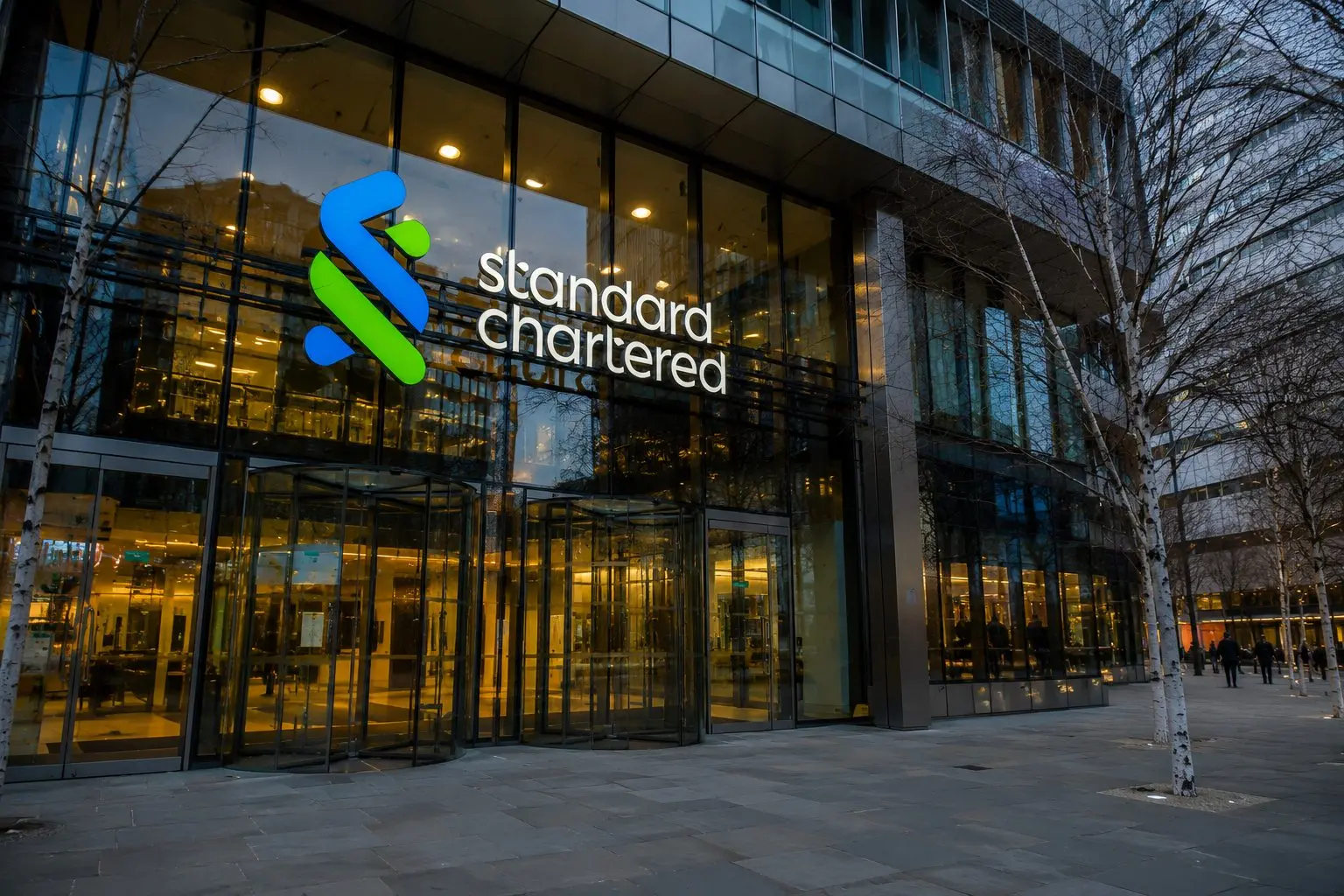
- Standard Chartered’s London-listed shares finished 42p higher, adding 2.18% to reach a 1,968.5p sell price and a 1,970p buy price after hours. The FTSE 100 slipped 0.39%.
- Standard Chartered reported it bought back 807,412 ordinary shares, planning to cancel them.
- Q2 2026 half-year results are due out July 29, which is the next major event on the calendar.
Standard Chartered PLC climbed in a weaker London session Monday. The shares finished quoted at 1,968.5p to sell and 1,970p to buy, building on Friday’s 4.10% jump to £19.28. The stock’s move came as the FTSE 100 dropped, so Standard Chartered’s gains stood out. Investors look for earnings-per-share gains, but the buyback is still the main technical support here.
Standard Chartered bought back 807,412 ordinary shares on June 12 from J.P. Morgan Securities, according to its latest filing. The purchase came under the buyback plan announced earlier this year. The average price paid, by volume, was 1,918.0649p. The bank said it plans to cancel these shares, which will cut the number of ordinary shares in issue to 2,194,634,205. When a company cancels repurchased shares, the total share count goes down, and that can bump up earnings per share, or EPS.
Earnings momentum is still the main bull argument here. In Q1 2026, Standard Chartered posted record operating income of $5.9 billion, up 9%. Profit before tax rose 17% to $2.5 billion and EPS jumped 31% to 74 cents. The CET1 ratio came in at 13.4%, sitting inside the 13% to 14% range Standard Chartered targets. That keeps investors watching the shares even after a strong rally. But the same Q1 release flagged a $190 million precautionary overlay on Middle East risks, and management said lower rates and margin pressure partly offset gains from volume and mix in net interest income. Those points count for the bear case.
Standard Chartered is aiming higher on its long-term goals. The bank set a new RoTE target of above 15% in 2028 and about 18% by 2030. Chief Executive Bill Winters said in May, “clients need a bank that can help them navigate that environment with confidence.” The new plan also calls for 5% to 7% income CAGR from 2025 to 2028 and a dividend payout ratio of at least 30%. But there’s risk in pulling it off. The shares trade close to their June 3 52-week high of £20.73, and Hargreaves Lansdown has the stock’s P/E ratio at 11.29. Standard Chartered Bank
Standard Chartered is trading near fair value at today’s price, not as a bargain. Investors get buybacks, better wealth and global banking income, and a management plan for higher returns. Risks stand out: the shares have already run up, more than $1.38 billion has been spent on buybacks so far, and banks can drop fast if credit losses, geopolitics, rate worries or high expectations hit. The July 29 half-year numbers are up next. Watch for wealth business inflows, credit costs, capital, and whether EPS growth from buybacks still keeps Standard Chartered ahead of the FTSE 100.