Toronto, April 2, 2026, 16:13 EDT
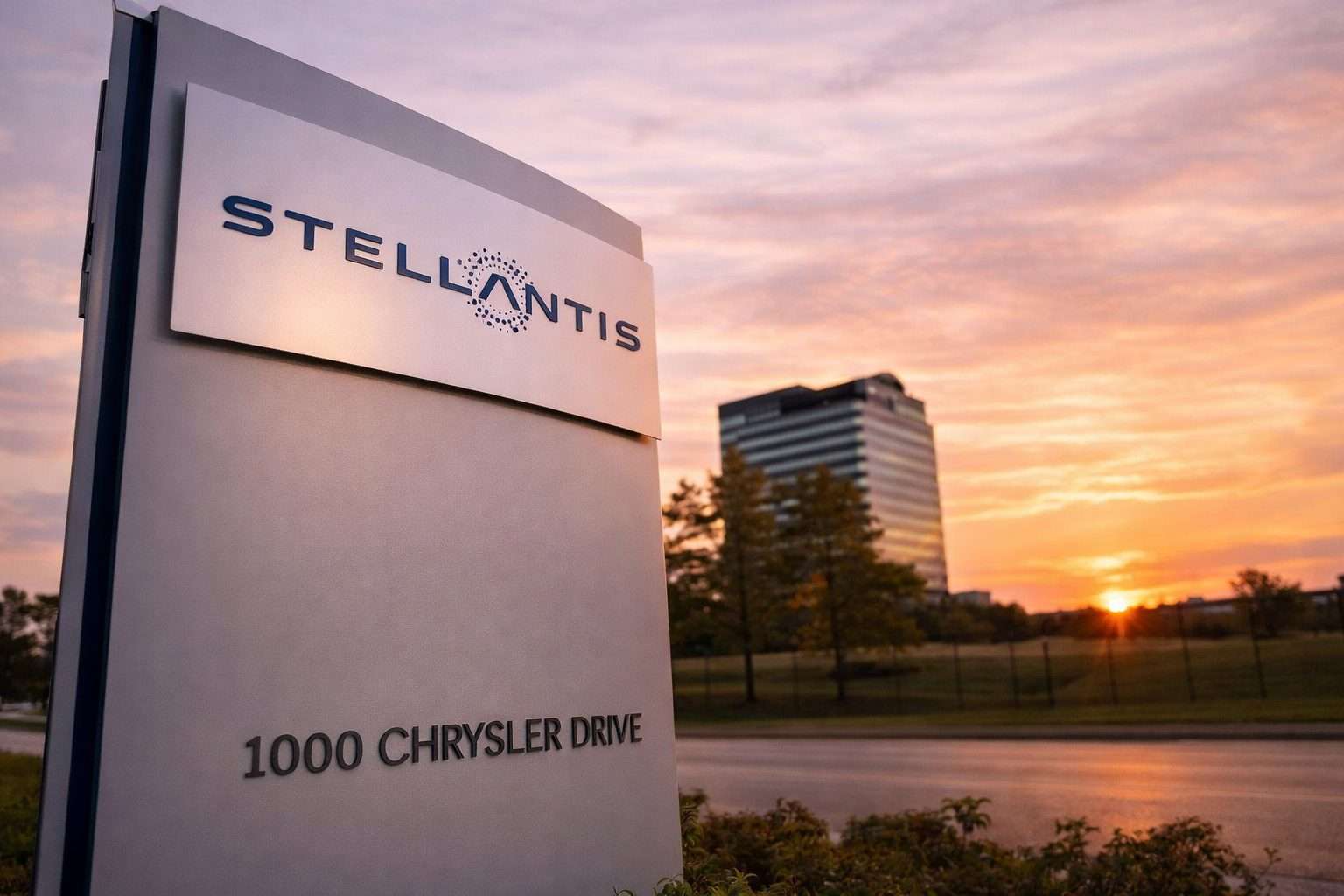
Stellantis is holding early discussions with China’s Leapmotor over the possibility of producing electric vehicles at the company’s idled Brampton plant in Ontario, Bloomberg reported. Shares in Stellantis jumped 4.1% in Milan on Thursday after word got out. 1
Timing’s key here: Canada has started allowing a small number of Chinese-made EVs back in just as it’s courting joint-venture auto investment, moves that follow U.S. tariffs throwing a wrench into North American supply lines. In January, Ottawa slashed tariffs on up to 49,000 Chinese EVs—dropping the rate from 100% to 6.1%. Then in February, the government rolled out a new auto strategy, pitching it as a bid to secure Chinese joint-venture deals and put more support behind local manufacturing. 2
Back in 2023, Stellantis picked up a 21% stake in Leapmotor for $1.6 billion and now controls 51% of Leapmotor International, the entity behind the brand’s efforts to expand beyond China. Talks around Brampton are still early-stage. Stellantis says it’s “actively evaluating future programs for Brampton” as it consults with governments and other parties. Leapmotor declined to comment. 1
Stellantis’s shutdown of its Brampton plant for retooling in 2024 left the city in a holding pattern, with future plans thrown off even further when Jeep Compass production—originally slated for the Ontario facility—was rerouted to Illinois following the imposition of U.S. tariffs against Canadian goods. In response, Ottawa moved to open dispute proceedings last November, having previously cautioned Stellantis about its obligations tied to government support for its Canadian operations. 1
The Canada discussions come as Stellantis and Leapmotor push ahead with broader expansion plans. Last month, Leapmotor said it’s aiming to kick off mass production at its Spain factory in October. This week, the partners announced a carbon-credit agreement covering Europe and the UK, using credits from EV sales to comply with emissions standards through 2026. 3
The concept isn’t a recent one. Back in 2024, then-CEO Carlos Tavares pointed out Stellantis could build Leapmotor vehicles “inside the bubble”—that is, within the safety of regional trade barriers, instead of exporting them out of China and facing steeper tariffs. 4
Competitive pressure is in the mix. Back in January, analysts flagged Tesla as a likely early winner from Canada’s tariff change—thanks to its existing Canadian footprint and ability to ship from China. BYD and Nio, on the other hand, were still building out their presence. “The beneficiaries are likely to be Chinese automakers and the Canadian customers looking for an entry-level vehicle,” said Sam Fiorani at AutoForecast Solutions. 5
This could still go south. Bloomberg said Thursday that Industry Minister Mélanie Joly shot down the idea of “cars in a kit”—vehicles mostly built elsewhere, then finished here. Unifor, meanwhile, keeps pushing its “Sell Here. Build Here.” message. And Reuters noted this week that U.S. Senator Bernie Moreno wants new legislation to extend Washington’s ban on Chinese autos. 6
This week’s other Leapmotor headline wasn’t about a new model. On April 1, the company’s UK arm put out a press release touting a C10 “Leap Mode” that claimed to let the SUV hop over speed bumps and potholes. Auto Express quickly flagged it as an April Fools’ gag in its annual roundup of car-industry pranks. 7
Brampton stands out here. Leapmotor, fresh off an annual profit in 2025 and aiming to launch Spanish production in October, sees Canada as the next piece in its push outside China. Stellantis, for its part, gets a shot at restarting a once-contentious facility—an experiment in dropping Chinese EV tech into North America without setting off alarms from unions, Ottawa, or Washington. 3