DUBAI, March 3, 2026, 16:29 (UTC+04:00)
- Oil and gas prices climbed once more, with the Strait of Hormuz remaining closed for a fourth consecutive day and blocking a crucial energy corridor.
- War-risk insurance vanished and freight rates soared to record highs, leaving tankers and container ships delaying departures.
- With LNG supplies squeezed following Qatar’s shutdown, both India and China scrambled to secure alternative sources.
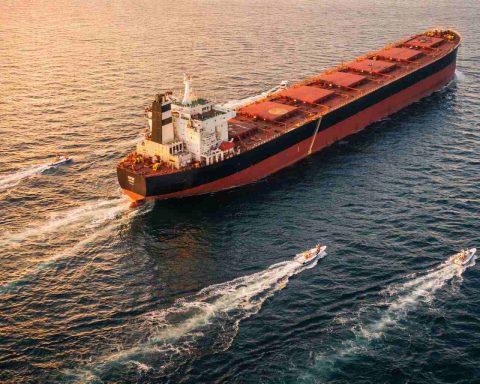
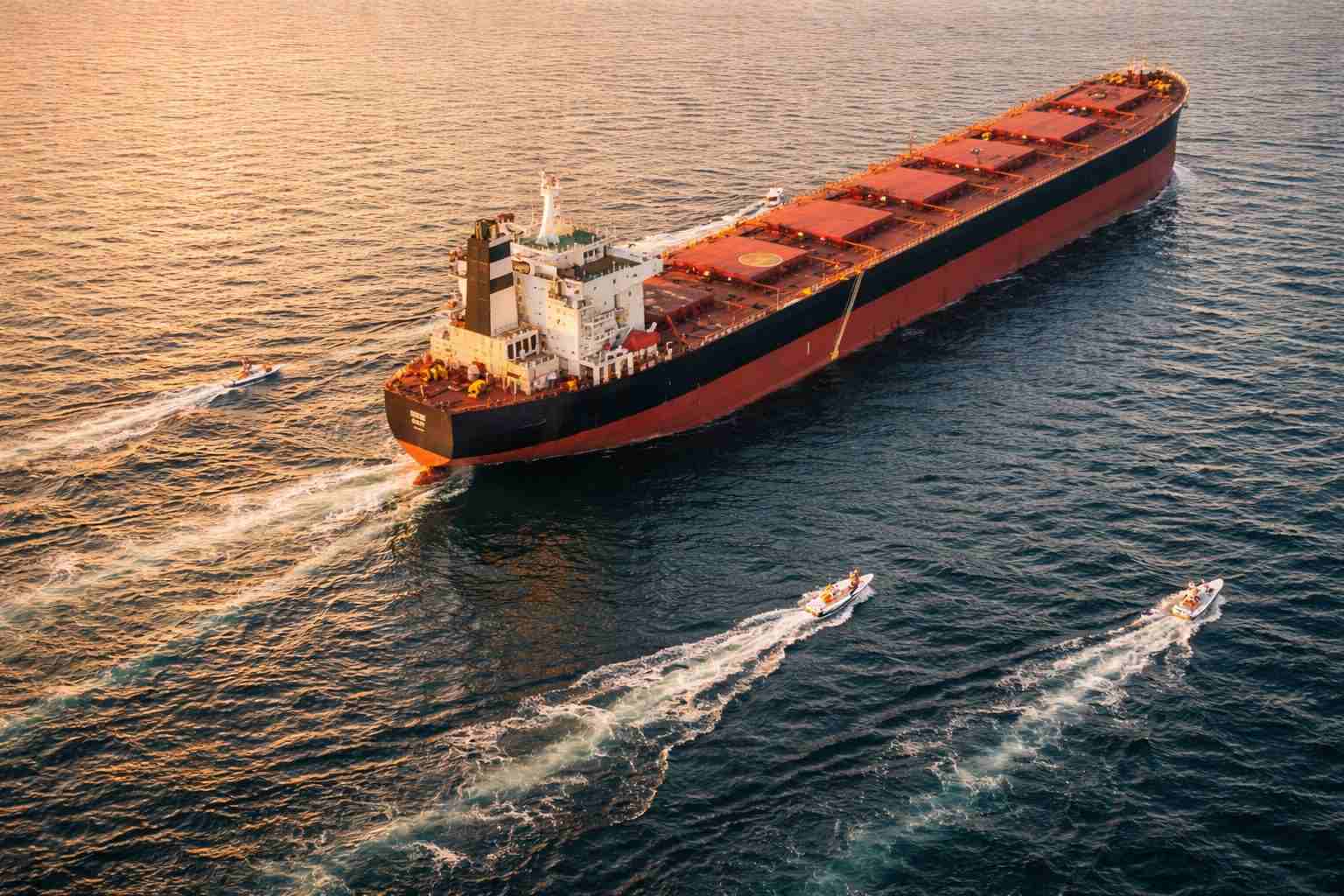
Oil and gas prices surged worldwide on Tuesday, with the Strait of Hormuz shuttered for a fourth consecutive day. Fuel cargoes sat stuck, shipping rates broke new records, and Iran’s recent strikes on vessels and Gulf energy facilities kept markets on edge. 1
About 20% of global daily oil flows through this chokepoint, which narrows to just 33 km (21 miles) across. Tensions edged higher after Iran’s Revolutionary Guards threatened to “set those ships ablaze” if passage is attempted, Iranian media said. Attacks in the Red Sea since the Gaza war began in 2023 have already disrupted trade. 2
Container lines are sounding alarms that the chaos isn’t just hitting oil shipments anymore. Ocean Network Express (ONE) CEO Jeremy Nixon put it bluntly: “about 10% of the container ship global fleet” is tangled in the growing backups. Both ONE and MSC have halted new cargo bookings headed for the Middle East. 3
Marine insurers are pulling war-risk cover, the crucial add-on protection required for ships heading into conflict zones. That’s left vessels scrambling for fresh policies—at much steeper rates. “Increasing rates … even declining to offer terms right now” is the new normal, according to David Smith, head of marine at broker McGill and Partners. War-risk premiums have soared in the past 48 hours, reaching up to 1% of a vessel’s value, compared to roughly 0.2% just last week. 4
Freight for supertankers carrying Middle East crude to China shattered records Monday, with TD3 rates on very large crude carriers (VLCCs) — those hauling 2 million barrels — spiking to Worldscale 419, equating to roughly $423,736 per day, according to LSEG. LNG tanker markets also jumped, rates soaring over 40%. Wood Mackenzie analyst Fraser Carson flagged that spot LNG shipping could “rise above $100,000 this week.” 5
It’s not just shipping anymore. After Iranian drones struck Ras Laffan, Qatar cut LNG production and QatarEnergy prepared to invoke force majeure, letting it suspend deliveries in the face of the disruption. Reuters reported that Saudi Arabia’s largest refinery, multiple Israeli gas fields, and much of Iraqi Kurdistan’s output have also gone offline. 6
Oil took off as panic set in. Brent crude surged $6.05, or 7.8%, to $83.79 a barrel by 1143 GMT, hitting levels not seen since July 2024. U.S. crude tracked higher as well, up 7.5% at $76.54, according to Reuters data. ING analysts warned the bigger threat isn’t just limited flows through Hormuz—if Iran targets more regional energy infrastructure, outages could drag on. 7
India’s top concern right now: making sure supplies don’t run short. A government source said New Delhi is already looking for backup options for crude, LPG and LNG, on the chance the conflict stretches past the 10-15 day mark. Around 40% of India’s crude imports move through Hormuz, and with Qatar offline, LNG stockpiles are just a few days out. “Reasonably confident that if one source closes, another window will open,” the source said. 8
Refiners in China—the top oil importer globally—are dialing back activity. Zhejiang Petrochemical Corp announced it is taking a 200,000-barrel-per-day unit offline sooner than planned, citing “the current circumstances.” Sun Jianan, analyst at Energy Aspects, flagged the risk of “precautionary run cuts” as Middle East shipping comes to a near halt. 9
Gas markets in Europe are feeling the heat. Reuters columnist Gavin Maguire notes that storage levels are running historically low for this time of year, and it showed: benchmark wholesale prices surged over 30% Monday, with traders quickly factoring in the hit from Iranian drone strikes on Qatar’s main LNG export site and the resulting halt to Qatari shipments. 10
Just months after warning of a looming “capacity glut,” the container shipping business finds itself staring at a “black swan” shortage instead, according to Bloomberg News. This week at the TPM conference in Long Beach, California, importers and carriers swapped notes on the surprising supply squeeze that’s upended earlier forecasts. 11
The fallout isn’t locked in. Citi sees Brent staying somewhere in the $80 to $90 range in the next week, but says prices could pull back to $70 if tensions ease. Wood Mackenzie, on the other hand, flagged a possible surge above $100 if tankers can’t move through Hormuz soon, since OPEC+ spare barrels would remain stuck behind the bottleneck. 12