
Melbourne, June 15, 2026, 03:10 AEST
- Telix Pharmaceuticals ended the ASX session up 0.97% at A$13.60. The S&P/ASX 200 climbed 1.98% to 8,804.00. Telix is still off around 45% for the past year.
- STOXX plans to include Telix in the STOXX Asia/Pacific 600 Health Care and STOXX Global 1800 Health Care indices, starting June 22, 2026.
- Regulatory events are the next big mover for the stock. Telix plans to resubmit Zircaix in H1 2026, and Pixclara faces an FDA action date on September 11, 2026.
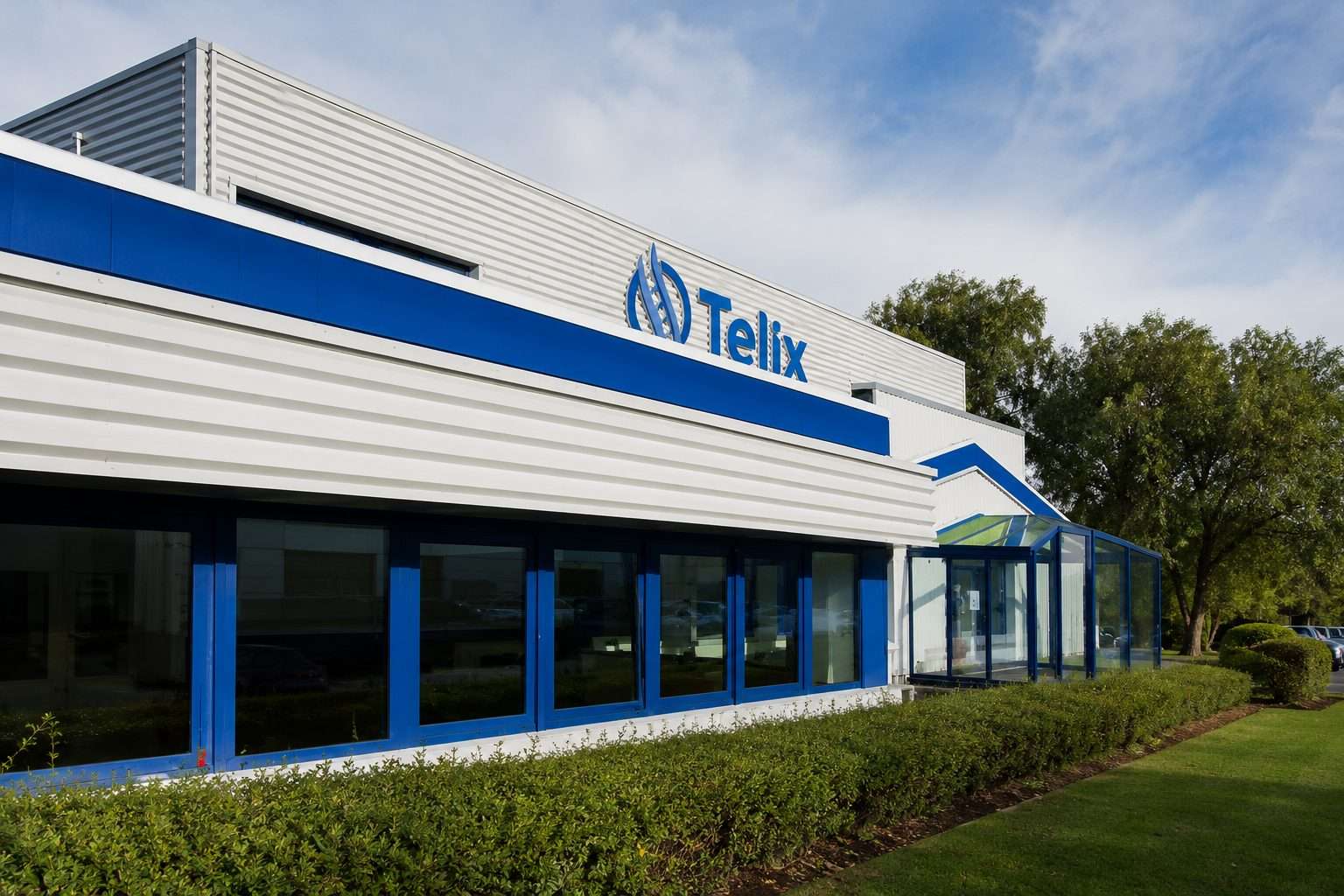
Telix Pharmaceuticals Limited starts the week with investors keeping an eye on a possible index flow, while concerns about regulatory risk remain high. Shares of the radiopharma firm on the ASX finished Friday at A$13.60, up 0.97% for the session. That lagged the S&P/ASX 200, which rose 1.98%. Telix has climbed 6.34% over the last four weeks but is still down 45.12% over 12 months. The stock stays volatile, moving on any fresh signs of institutional interest or regulatory news.
Telix will be added to multiple STOXX health-care indexes after the June 13 STOXX index review. Changes take effect June 22 and include the STOXX Asia/Pacific 600 Health Care, STOXX Global 1800 Health Care, and related benchmarks. Index changes like this can influence share price as passive funds and investors tracking these benchmarks shift positions. The move does not affect Telix’s revenue, clinical data, or regulatory situation.
Telix is a commercial-stage biopharma group working on diagnostic and therapeutic radiopharmaceuticals known as theranostics. The approach uses targeted radioactive compounds to image—and sometimes treat—the same biological target. Telix trades as a watched health-care stock on the ASX, but the share price tends to react to regulatory decisions. The stock’s 52-week range is A$8.26 to A$26.25, market cap sits around A$4.62 billion at the latest price, according to Google Finance.
Telix’s bull case is built on its commercial run and a pipeline that may push the company past its approved imaging products. Telix posted unaudited group revenue of US$230 million for the first quarter of 2026, up 11% on the previous quarter, and kept its full-year revenue outlook at US$950 million to US$970 million. Precision Medicine brought in US$186 million, rising 16% quarter-on-quarter, helped by Illuccix and Gozellix. “The business has a solid foundation for continued growth through 2026,” said Managing Director and CEO Dr Christian Behrenbruch. Telix Pharmaceuticals
Clinical momentum is keeping bulls interested. At ASCO 2026, Telix said Part 1 of its ProstACT Global Phase 3 trial for TLX591-Tx in metastatic castration-resistant prostate cancer had acceptable tolerability with standard-of-care regimens and didn’t turn up new safety concerns. Metastatic castration-resistant prostate cancer is when prostate cancer keeps spreading and stops reacting to hormone-lowering treatment. Telix said Part 2 dosing is ongoing in countries where it’s approved, and talks with the U.S. FDA are in progress to move Part 2 forward in the U.S.
The main thing investors are watching is whether Telix will stick to its plan to resubmit the Zircaix biologics license application in H1 2026. A biologics license application, or BLA, is what companies file to try to get FDA approval for biologics. Telix previously said it sorted out important issues with the FDA for Zircaix, including showing the clinical-stage material matches scaled-up commercial output. The next firm milestone is September 11, 2026, which is the FDA’s PDUFA target date for Pixclara, its investigational PET imaging agent for glioma. Telix has said 2026 guidance does not include any Pixclara revenue, so an approval would boost forecasts, but a delay or rejection would likely be a negative.
Telix still carries big execution risk, and it’s not just about revenue growth. Reuters reported last year the FDA asked for more data on Telix’s kidney cancer diagnostic, mainly on manufacturing and supply-chain areas. That sent the stock lower when it hit. It still matters now since Telix’s bull case partly rests on getting regulators comfortable that its commercial manufacturing matches what it did during trials. Guidance calls for US$200 million to US$240 million in research and development spending in 2026, so capital needs stay high as investors wait for approval news.
Telix comes across as risky but potentially attractive on current facts, not just undervalued. Google Finance’s analyst-summary puts all eight recent ratings at buy and the average 12-month target at A$25.20, a solid premium to where the stock trades on the ASX right now. That case leans on regulatory follow-through, more imaging-product growth and new indications coming through. For biotech-risk investors, the coming FDA news and index addition are reasons to keep Telix on the radar. Investors looking for clearer earnings and less risk will likely keep waiting, as approval and production questions aren’t settled yet.