
Sydney, June 20, 2026, 06:05 (AEST)
- Telstra ended the week at A$5.05 on Friday, dropping 2.9%. The S&P/ASX 200 added around 0.3% for the week.
- Turnover on Friday hit 38.3 million shares, nearly double the four-day average.
- May inflation numbers for Australia come out Wednesday. Telstra’s results are next set for August 13.
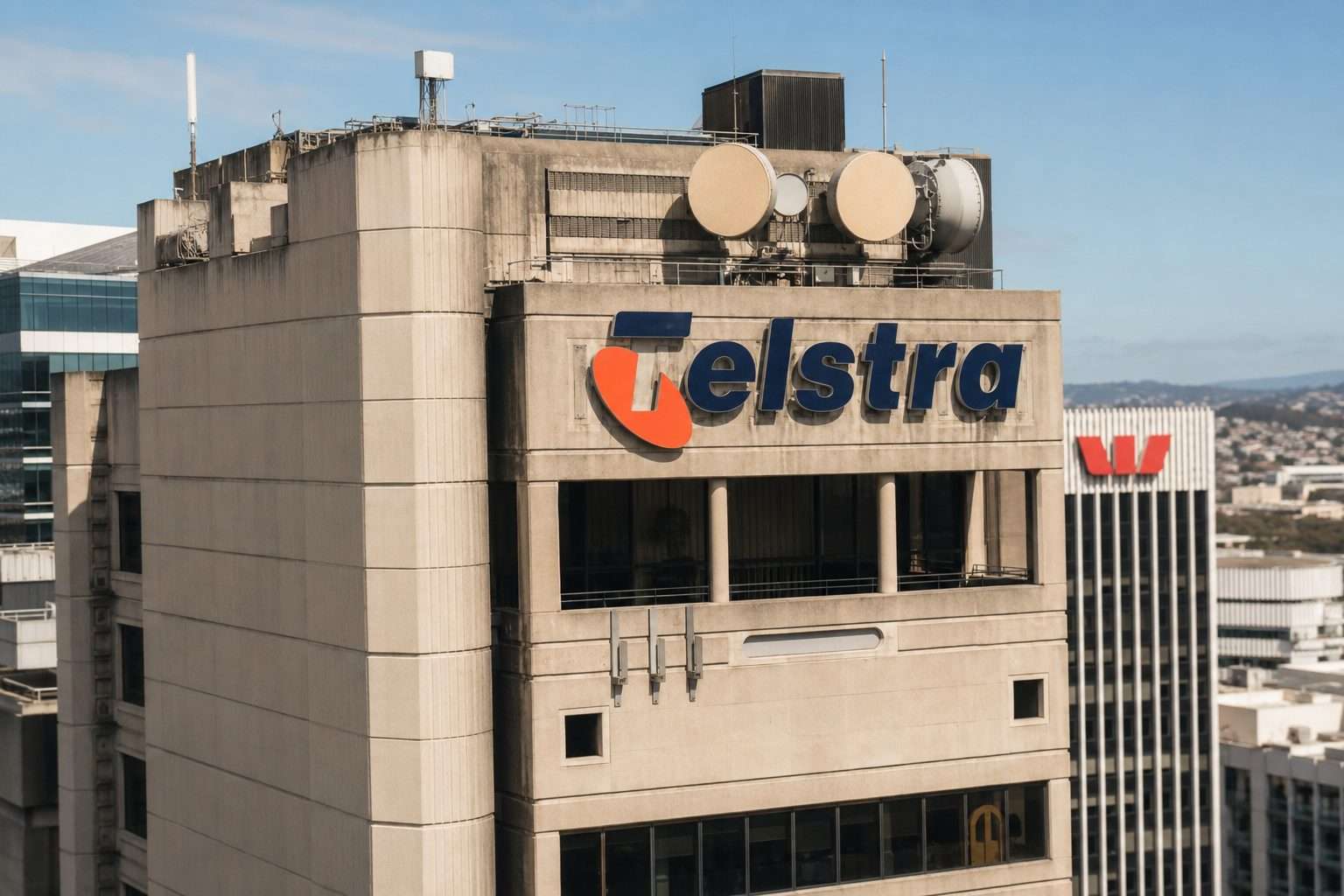
Telstra Group closed the week at A$5.05, dropping 2.9% over five days. That left the stock lagging the benchmark by roughly 3.2 percentage points. The ASX shuts for the weekend and trading will start back up Monday.
Telstra dropped 0.4% on Friday, smaller than the 0.9% drop in the S&P/ASX 200 as resource stocks dragged the market down. But Telstra’s poor week points to a weak stretch, not just a reaction to the day’s broader selloff.
Share buybacks are helping drive the move. Telstra bought back 245.9 million shares, spending almost A$1.25 billion at an average price near A$5.08. Buybacks cut the float and add steady demand to the stock. Telstra’s close on Friday was a little under what it paid on average.
Telstra’s operating results have been more stable. The company posted a first-half profit of A$1.12 billion in February, up 9.4%, and lifted its interim dividend to 10.5 Australian cents. CEO Vicki Brady said the buyback would “support earnings and dividend per share growth.” eToro analyst Zavier Wong called Telstra “one of the most defensive names on the ASX.” That defence will go without more buyback activity now. Reuters
Competition is back in the spotlight. On Thursday, Vodafone Australia, owned by TPG Telecom, had a network hub outage that led to over 8,000 reported faults before it fixed the problem. Network reliability stayed in the frame for Vodafone, Telstra, and Singtel-owned Optus, but Telstra shares didn’t get a clear bump the day after.
Inflation is the next thing traders in Australia are watching. The Reserve Bank of Australia kept the cash rate at 4.35% on Tuesday after three hikes this year, and warned that inflation is still too high. If the consumer price index out Wednesday comes in high, traders could expect more policy tightening and might want a higher yield from dividend plays like Telstra. Softer numbers would take the heat off.
But pressure isn’t just coming from rates. Renewal applications for 850 MHz and 1800 MHz spectrum licences started June 18. The communications regulator claims its pricing method is fair and supports ongoing network investment, but Telstra says the new price is over twice fair value. If renewal costs run high, price competition stays tough, or customers push back against higher tariffs, cash for investment and dividends could get tight.
Telstra is now trading more as an earnings and dividend play rather than one propped up by buybacks. There isn’t a result coming next week, so the A$5 mark is where the market is looking short term. Inflation, interest-rate calls and the spectrum fight are expected to drive sentiment until August.