
Sydney, June 12, 2026, 06:14 (AEST)
- Telstra shares closed at A$5.20 on the ASX Thursday, gaining 2 cents, or 0.39%.
- S&P/ASX 200 dropped 20.1 points, or 0.23%, to close at 8,633.2. Telstra finished above the ASX 200 for the session.
- Telstra cancelled 25.4 million ordinary shares after its buy-back, according to a recent ASX filing.
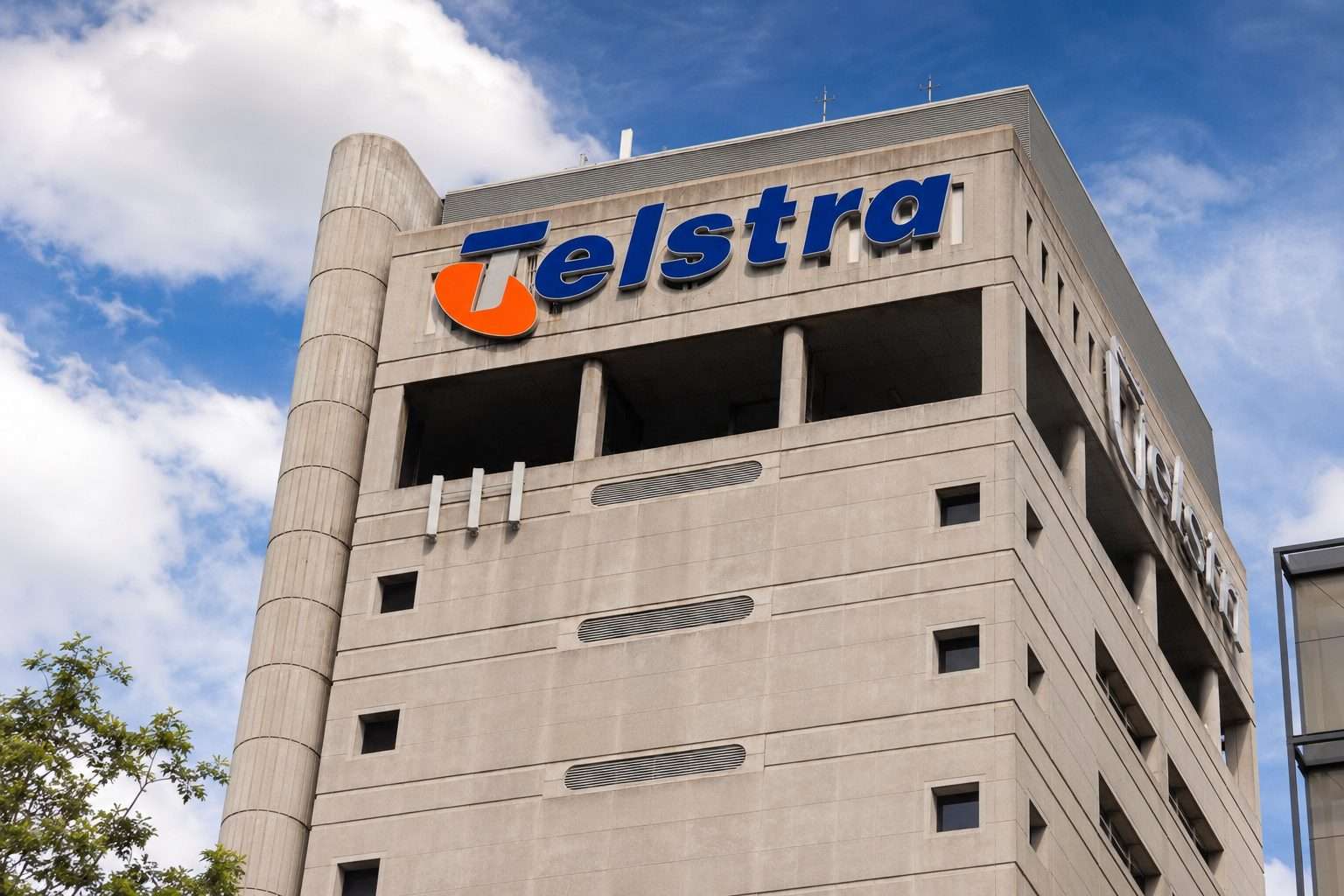
Telstra Group Limited (ASX: TLS) closed Thursday in Australia at A$5.20, ticking up from A$5.18. Market Index data showed shares trading in a range from A$5.18 to A$5.225 through the session. The result kept the country’s biggest listed telco over A$5 after a shaky start to June.
The modest gain came even as the broader Australian market drifted lower. The S&P/ASX 200 slipped 0.23% to 8,633.2, while the All Ordinaries also lost 0.23% to finish at 8,836.7. Energy stocks and defensive sectors outperformed, but banks and tech shares pushed the index down.
Telstra’s capital return plan is still in focus. The company said in a June 9 notice that it cancelled 25,413,931 ordinary shares after buying them back on-market for A$133.74 million. Shares repurchased between May 18 and June 4 were cancelled in batches through to June 9, according to the filing.
Telstra’s final buy-back notice, out June 4, showed 245,892,740 shares bought back for a total of A$1.25 billion. The notice listed the highest price paid at A$5.40 on April 2, and the lowest at A$4.78 on October 8, 2025.
Share count numbers are now more apparent. Telstra’s total quoted ordinary fully paid securities stood at 11,139,136,247 after the June 9 cancellation. At Thursday’s A$5.20 close, that brings ordinary equity value to about A$58 billion, not accounting for any later capital moves.
Telstra has bounced back after slipping early in the month. Data from Intelligent Investor puts the stock at A$4.97 on June 4, A$5.08 June 9, and A$5.18 June 10. It most recently traded at A$5.20, which is up 1.56% from a week ago.
Telstra’s share count is lower, but market conditions matter more. The company’s first-half attributable profit rose 9.4% to A$1.12 billion, Reuters reported in February, topping Visible Alpha consensus. Growth came from the mobile business and higher mobile plan prices.
Telstra’s February update is still at the center of how the market looks at the stock. The company lifted its interim dividend to 10.5 Australian cents per share and tightened FY26 underlying EBITDAaL guidance to between A$8.2 billion and A$8.4 billion. Telstra also added A$250 million to its buy-back at the time, bringing the total program to A$1.25 billion, which it has now finished.
Telstra is still trading toward the upper end of its recent range, according to market data. Google Finance shows a 52-week range of A$4.70 to A$5.58, dividend yield at 3.85%, and market cap at A$58.06 billion. Investors look to the stock for both income and capital management angles.
Telstra is due to report its annual results on Thursday, August 13. According to its investor calendar, Telstra will trade ex-dividend on August 26, with a record date set for August 27 and final dividend payment due September 24.