
London, April 24, 2026, 19:35 BST
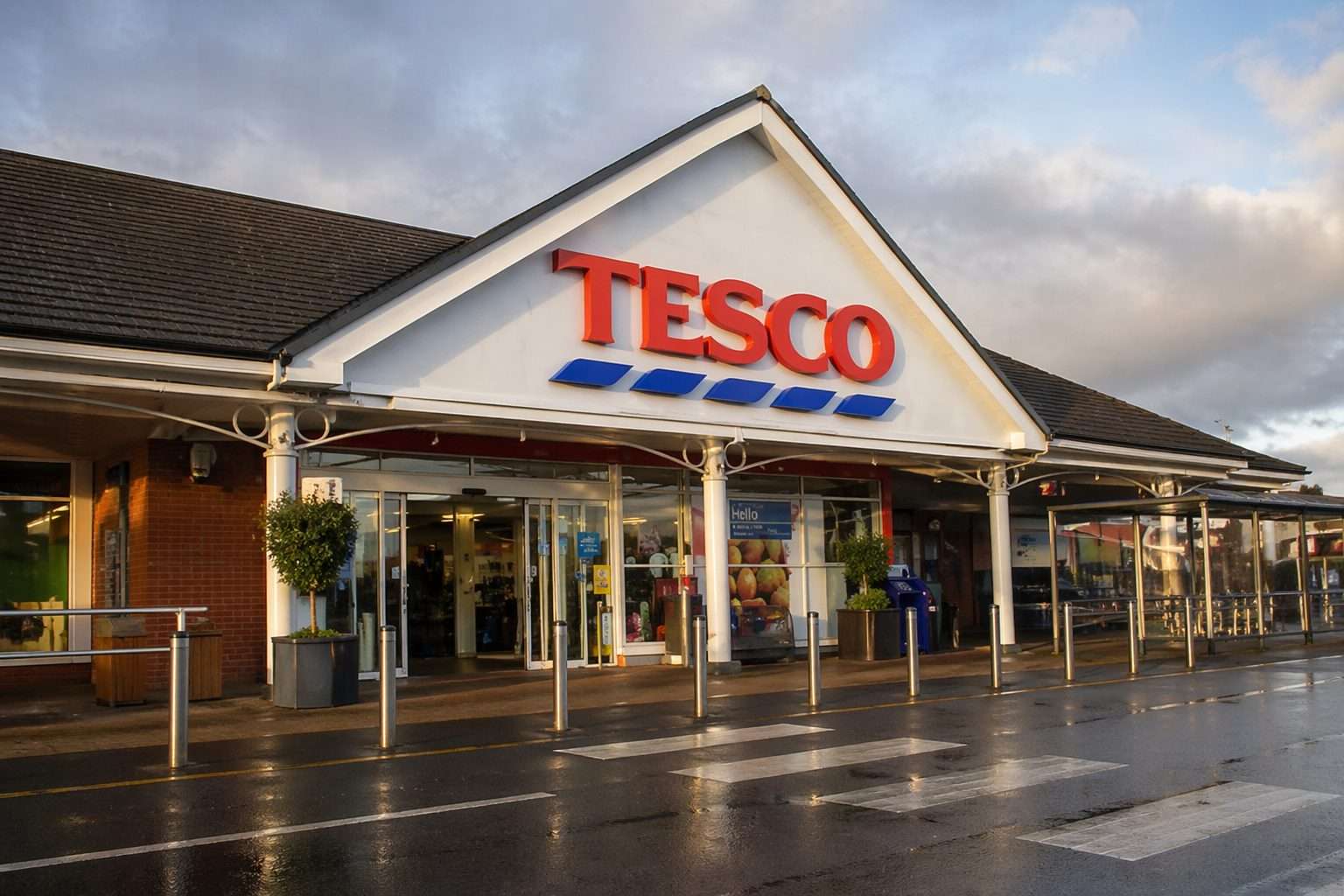
Tesco PLC snapped up 415,797 shares for cancellation on April 23, marking the grocer’s second reported buyback since rolling out its new £750 million programme. Britain’s largest supermarket chain wasted little time resuming shareholder payouts after posting its annual numbers. The average price paid was 481.00 pence per share, according to a regulatory filing.
The clock’s ticking for Tesco. The retailer is under pressure to keep returning cash to shareholders, even as the UK grocery sector contends with rising fuel prices, stubborn food inflation, and a less certain profit picture tied to the Middle East conflict.
When a company repurchases its own shares using cash, that’s a buyback—typically, those shares get cancelled, shrinking the total in issue. Tesco on Wednesday kicked off a buyback programme that could reach £750 million by April 2027. Citigroup Global Markets is overseeing the initial segment, up to £250 million, with purchases routed through the London Stock Exchange and Cboe Europe.
Tesco disclosed in Friday’s filing that it has snapped up 822,350 shares, spending roughly £4.0 million since launching the programme. The company now counts 6,384,360,446 ordinary shares outstanding, with none held in treasury.
Tesco closed up 0.89% according to Hargreaves Lansdown, bucking the FTSE 100’s 0.75% drop. The data puts Tesco’s market cap near £31.16 billion, with 13.5 million shares changing hands.
The buyback comes after Tesco booked 52-week sales of £66.59 billion, excluding VAT and fuel—up 4.3% at constant rates. Adjusted operating profit landed at £3.15 billion, a 0.6% gain. Chief Executive Ken Murphy said the company is sticking with efforts to “keep down the cost of the weekly shop,” and noted Tesco now claims its “highest market share for over a decade.”
Competition remains fierce. Grocery inflation stuck at 4.3% for the four weeks through March 22, according to Worldpanel by Numerator. Tesco took 28.0% of grocery sales in the 12 weeks ending on that date. Sainsbury’s came in at 15.6%, and Lidl picked up the most market share among retailers.
Sainsbury’s turned up the heat Thursday, cautioning that fallout from the Iran war may dampen both shopper confidence and profits. Shares dropped 5% out of the gate, Reuters said. Unlike Tesco, Sainsbury’s faces a bigger hit from non-food sales thanks to its Argos arm.
Tesco has expanded its guidance range, projecting adjusted operating profit between £3.0 billion and £3.3 billion for the fiscal year ending February 2027. That’s up from the £3.15 billion expectation for 2025/26. Bernstein’s William Woods described the outlook as “careful and conservative.” Asked about supply chain conditions, Murphy told reporters there were “not seeing any availability issues.” Reuters
The risk isn’t hard to spot. Should fuel and food prices climb more quickly than Tesco anticipates, the company could find itself increasing spending—whether on price cuts, wages, or payments to suppliers—to hold its ground in the market. That would squeeze margins and could mean less cash flowing back to shareholders.
So far, Tesco’s initial buybacks only nibble at the £750 million total. How fast the company ramps up repurchases—and if it can hold its pricing edge without squeezing profits—will draw scrutiny, especially as UK consumers push further into a harsh inflation period.