NEW YORK, Feb 20, 2026, 07:54 (EST) — Premarket
- Tesla adjusted Cybertruck prices once more, aiming to boost demand.
- Traders juggle demand cues, while also contending with margin squeeze and the specter of regulatory threats.
- Rate-sensitive stocks kept one eye on Friday’s U.S. growth and inflation data, which hung in the background.
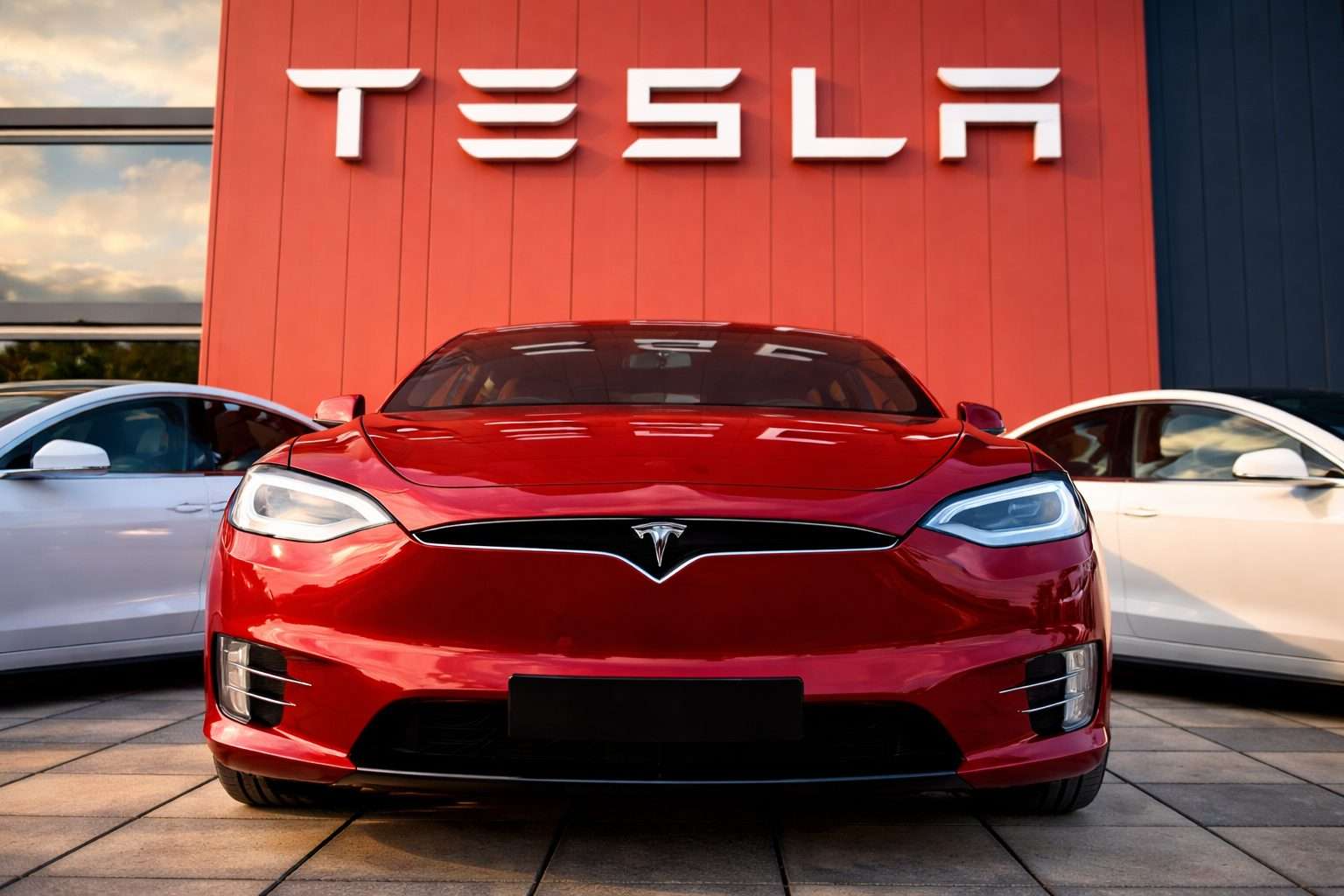
Tesla stock ticked up 0.1% before the bell on Friday. The EV maker introduced a new $59,990 Cybertruck variant, while slashing the Cyberbeast’s price to $99,990—a fresh move to drum up demand for its pickup. 1
This shift is significant right now, as Tesla’s been dialing down sticker prices to sustain demand while the EV market slows and incentives dry up. Investors are tracking whether these price cuts will juice sales enough without slicing into profit margins. 2
Tesla is calling its latest all-wheel-drive Cybertruck the most affordable version so far, yet the base price remains far north of the $40,000 number CEO Elon Musk previously mentioned. A $15,000 price drop on the Cyberbeast highlights just how fast pricing on the pickup has been moving. 3
Gary Black, managing partner at Future Fund, thinks the lower-priced trim “will surely sell,” but doesn’t expect that alone to shift the narrative. “Absent advertising, it’s hard to see what will change Cybertruck sales momentum,” Black posted on X. He also said he’s “unlikely” to see Tesla moving more than 25,000 Cybertrucks in 2026. 4
Tesla’s new pricing move looks to have shelved the “Luxe Package,” a bundle that included Supervised Full Self-Driving and complimentary Supercharger network access—features that bumped up the truck’s sticker price last year. Analysts warn that a heavier tilt toward lower-priced models may keep margins under strain, unless Tesla manages to make up the difference with cost cuts or boosts in software and services income. 5
Regulatory worries linger. Tesla sidestepped a threatened 30-day suspension of its California dealer and manufacturer licenses after pulling “autopilot” from its marketing materials in the state, according to the California DMV. The terms “Autopilot” and “Full Self-Driving” label Tesla’s driver-assistance systems, though both still require drivers to pay attention. 6
Tesla’s open might hinge on the broader market move. Investors are watching for the Commerce Department’s advance look at fourth-quarter GDP Friday, landing with December PCE inflation numbers—key metrics on the Fed’s dashboard. “Growth could still end the year on ‘a solid note,’” said KPMG chief economist Diane Swonk, though she pointed out that plenty of households remain under pressure. 7
Even so, the Cybertruck numbers just don’t add up easily. Dropping prices might lure more buyers, but then margins move right back into the spotlight. Without a pickup in demand, the stock risks shifting from speculative hope to cold, hard earnings.
Right now, traders have their eyes on Tesla’s Cybertruck pricing to see if it holds, or if further tweaks show up as more orders roll in. Attention quickly shifts to the 8:30 a.m. EST slate of U.S. data on GDP and personal income and outlays—numbers that typically shake up both rate bets and stocks with high growth multiples, including Tesla. 8