
HONG KONG, February 9, 2026, 14:44 (HKT)
- Smartphone makers push bigger batteries and speedier charging, yet shipping and safety regulations still dictate what powers a flagship device.
- The 20 watt-hour (Wh) cutoff for lithium-ion cells is important since it affects packaging, labeling, and shipping documentation requirements.
- Writers following the trend argue that chip efficiency and software tuning often matter more than just battery size in everyday use.
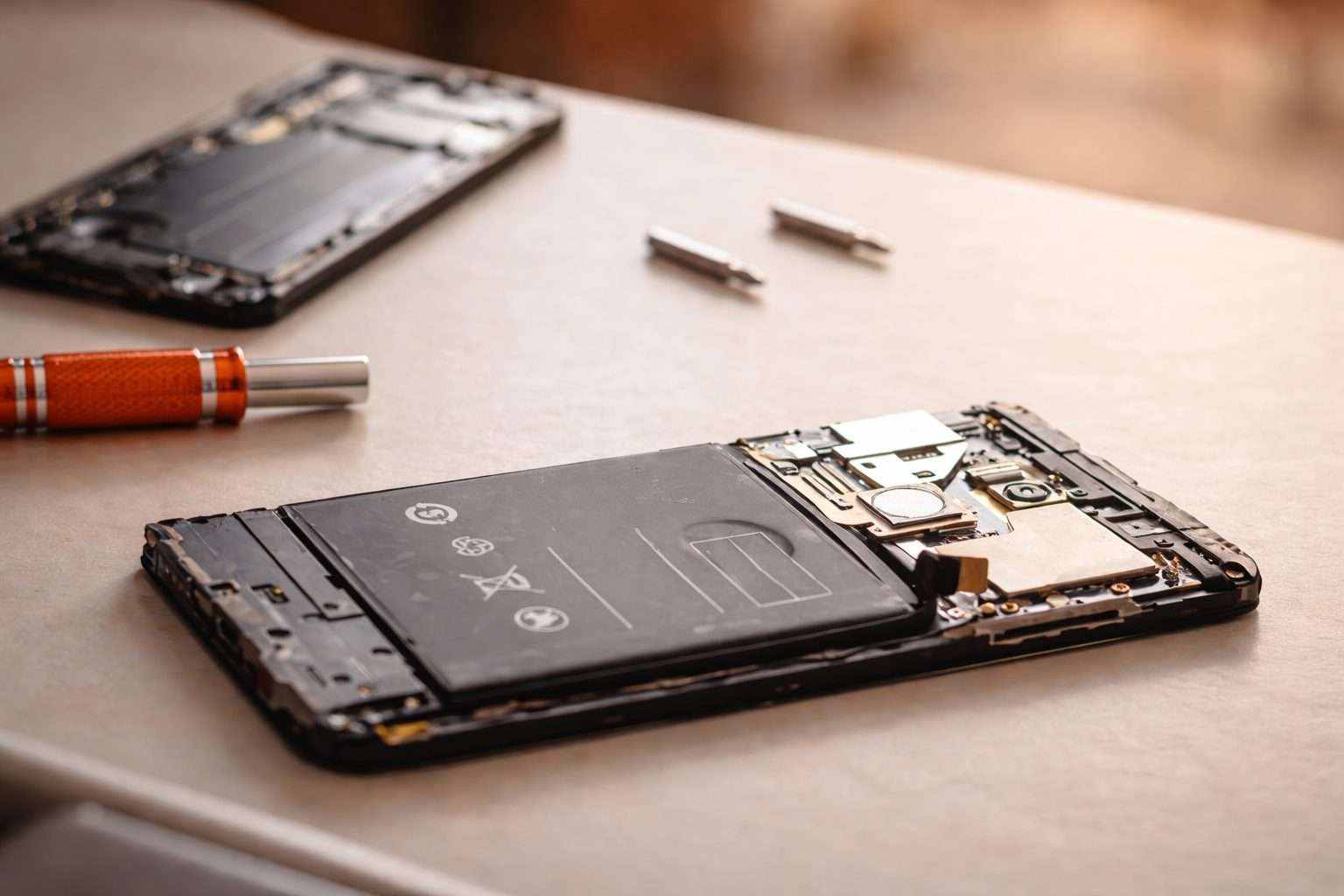
Chinese smartphone makers are now exceeding the traditional 5,000 milliamp-hour (mAh) battery capacity, a limit Apple and Samsung still stick to. One factor: new lithium battery transport regulations, recent reports suggest.
Battery life is back in the spotlight, even as brighter displays, 5G connections, and more demanding software push power use higher. An industry report recently pointed out that raw mAh numbers—the simple measure of battery capacity—are becoming less reliable for predicting how long a phone will actually last on a charge.
U.S. hazardous materials regulations carve out an exception for “smaller” lithium-ion cells, capping eligibility at 20 watt-hours per cell. Cells above that limit aren’t prohibited, but they trigger more rigorous rules for shipping, packaging, and labeling. Ecfr
The U.S. Pipeline and Hazardous Materials Safety Administration (PHMSA) classifies lithium cells and batteries as Class 9 hazardous materials during transport. Size thresholds—20Wh for cells and 100Wh for batteries—determine if certain exceptions apply. PHMSA also specifies that a “cell” refers to a single electrochemical unit, an important detail since some packs consist of multiple connected cells. Dot
This debate trickles down to consumer opinions as well. MakeUseOf pointed out that bigger batteries offer phones “more headroom” to handle intensive tasks without frequent recharges, though they noted battery size isn’t the sole factor in overall endurance. MakeUseOf
Android makers are turning to different strategies like tweaking battery materials and charging tech. FindArticles reports that silicon-carbon anodes—a move away from standard graphite that boosts energy density—are now used by OPPO, OnePlus, and Xiaomi. Meanwhile, wired charging speeds hitting 100 watts or more are becoming typical on some phones, contrasting with the more cautious pace set by Google and Samsung.
For some users, fast charging outweighs having a larger battery capacity. If a phone can recharge fully while you get ready for work, trimming a few millimeters off the battery size might be a worthwhile compromise.
Chasing bigger batteries isn’t without trade-offs. Extra capacity means added weight and less room inside for cameras, speakers, or cooling systems. Plus, if heat management falters or charging algorithms aren’t sharp, fast charging can wear down the battery faster.
There’s a basic uncertainty here: companies seldom cite shipping rules as a key design limit. Battery choices often hinge on quieter factors — thickness, cost, repairability, or even the phone’s hand feel. The regulation plays a role, but it’s not a simple on-off switch.
The battery race is evolving into a full-scale systems battle. Success won’t come from pumping out the most units but from delivering the optimal blend of chemistry, silicon, software, and charging. Plus, these solutions must reach a global market without triggering fresh safety issues.