WASHINGTON, Jan 28, 2026, 14:15 EST
- The Energy Department has called on states to consider hosting “Nuclear Lifecycle Innovation Campuses” focused on waste storage and other aspects of the nuclear fuel cycle
- The plan ties into a larger effort to boost U.S. nuclear power, driven by growing electricity demands from data centers
- Reprocessing and deep underground storage continue to face both political hurdles and technical challenges
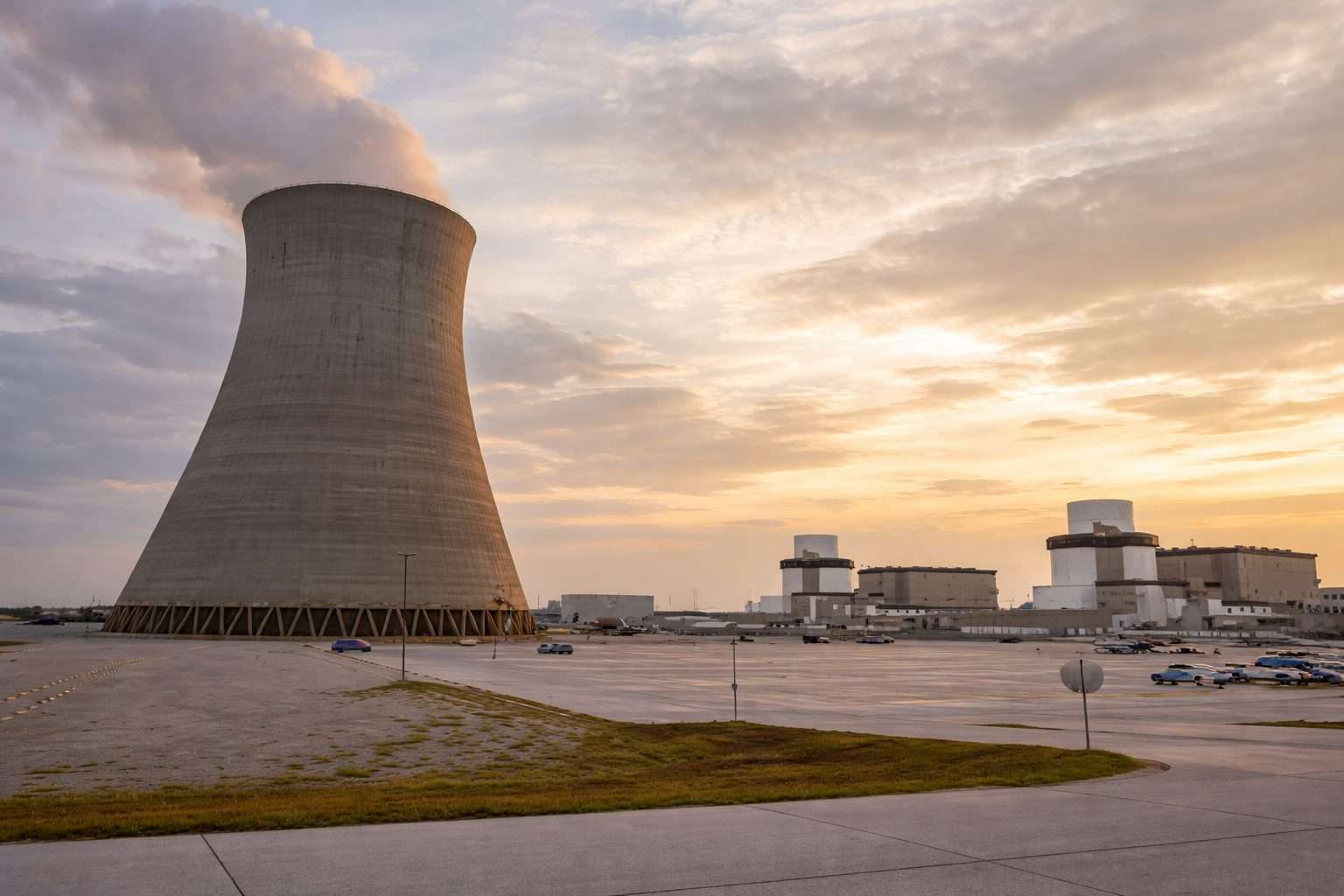
On Wednesday, the U.S. Department of Energy invited states to express interest in hosting “Nuclear Lifecycle Innovation Campuses.” These sites could handle nuclear waste storage and spent-fuel reprocessing, which involves separating uranium and plutonium for possible reuse. States have until April 1 to reply. 1
The request arrives amid President Donald Trump’s drive to boost U.S. nuclear power capacity fourfold, aiming for 400 gigawatts by 2050—a target tied by the administration to growing electricity demand for the first time in years.
The Energy Department and Reuters report that data centers supporting AI tools and cryptocurrencies are key drivers behind this demand.
This move tackles a persistent industry challenge: handling radioactive waste. Opposition to storage has stalled projects for years, leaving most U.S. spent fuel stored on-site where it was produced.
The Energy Department noted these campuses might back advanced reactor deployment and house co-located data centers. They could also feature uranium enrichment — boosting the concentration of fissile uranium-235 for reactor fuel. The department is looking for strategies that tap private and state funding, paired with “targeted, conditional, and time-limited” federal backing.
“Unleashing the next American nuclear renaissance will spark innovation, boost economic growth, and create well-paying American jobs while providing the affordable, reliable, and secure energy needed to power our future,” Energy Secretary Chris Wright said. “Nuclear Lifecycle Innovation Campuses let us collaborate directly with states on regional priorities that align with President Trump’s goal of revitalizing America’s nuclear industry.” 2
DOE called this an initial move toward voluntary federal-state partnerships. Proposed campuses might span the entire nuclear fuel lifecycle—fuel fabrication, enrichment, reprocessing spent fuel, and waste disposal. They could also include power generation, advanced manufacturing, and data centers, tailored to local needs.
The issue of nuclear waste remains highly contentious. Used fuel sits at nuclear plants, initially in cooling pools, then in concrete-and-steel casks. Plans for a single deep underground repository at Yucca Mountain, Nevada, have stalled after years of pushback and over $15 billion spent by the government, Reuters reported. Since then, the DOE shifted to a “consent-based siting” approach, where communities volunteer to host the site instead of having one imposed on them.
Reprocessing remains a hot-button issue. It does cut down the waste volume and allows fuel recovery, but the U.S. hasn’t pursued it commercially, mostly because of cost concerns. On top of that, non-proliferation experts caution that separating plutonium raises serious security risks, Reuters reported.
Rep. Mike Levin, a California Democrat representing the district with the closed San Onofre nuclear plant, called the DOE’s move “meaningful and long-overdue” but warned it’s no quick fix. “This announcement lays important groundwork, but success will depend on reliable funding and long-term, independent management that extends beyond any single administration,” Levin said. He also noted that experts have raised doubts about whether reprocessing is the right approach for shutdown sites storing waste in canisters like San Onofre. 3
Still, gauging interest is far from lining up a host deal. States weighing waste storage will have to navigate local politics and permitting hurdles. Meanwhile, efforts to push reprocessing will come under fire over costs, safety, and security—especially with no permanent U.S. waste repository currently available.
DOE instructs states to submit their responses by April 1 via SAM.gov. 4