New York, Feb 20, 2026, 05:09 EST — Premarket
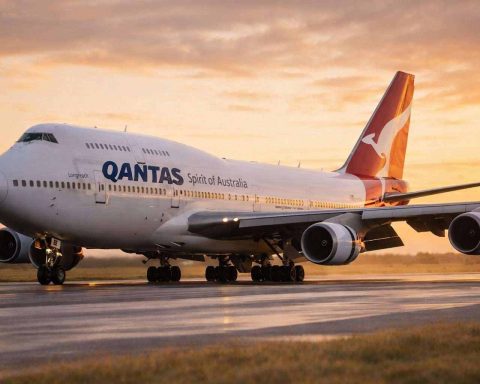
- United Airlines shares slid 5.9% on Thursday, caught up in a wider airline selloff as fuel costs climbed.
- United has tweaked its MileagePlus program, dialing up rewards for those with its co-branded cards while cutting back on perks for everyone else.
- Crude prices on the radar as the session kicks off, with traders also eyeing just how hard airlines can push loyalty revenue.
United Airlines Holdings Inc didn’t move much before the bell Friday, following a $6.88 slide—or 5.9% drop—to $110.05 the previous session.
United Airlines rolled out changes to its MileagePlus program Thursday, targeting more signups for its co-branded credit and debit cards—a profitable stream driven by selling miles to banks. The new setup: main cardholders can rack up as much as twice the miles per dollar spent on United flights, plus get at least 10% off award tickets when booking with points, starting with tickets bought from April 2 onward, according to the airline. “MileagePlus is designed to reward loyalty to United, and our best customers deserve the best benefits in the industry,” Chief Commercial Officer Andrew Nocella said. 1
Fuel prices kept traders on alert in the background. Brent crude stuck close to six-month peaks, trading near $71 a barrel, while U.S. West Texas Intermediate held at about $66. The market was digesting escalating U.S.-Iran tensions and possible threats to flows through the Strait of Hormuz. “The market is nervous, it’s going to be a wait-and-see day,” said Ole Hansen, head of commodity strategy at Saxo Bank. 2
It wasn’t just United feeling the heat. Shares of Delta Air Lines lost 5.16% Thursday, Southwest Airlines gave up 4.96%, and JetBlue tumbled 8.51% as investors tallied up what pricier crude could mean for jet fuel costs. 3
Pressure is building in Washington over the same credit-card revenue United is keen to defend. Airlines for America CEO Chris Sununu warned that a 10% cap on credit-card interest rates could bring “massive repercussion” for airlines, saying loyalty economics are key for demand and investment in the sector. Last year, airlines said more than 31 million Americans carried travel reward cards. The industry has cautioned that any shake-up in card economics may lead to shrinking rewards. 4
United this week told investors it expects first-quarter results to land close to the top of its earnings guidance, despite what it described as industrywide “noise.” “Q1 is shaping up near the high end of our EPS guidance range so far,” Chief Financial Officer Mike Leskinen said during a Barclays conference on Feb. 18. 5
Awkward timing for United. Perks for certain travelers are getting cut, and fuel prices are heading up. Management can adjust loyalty programs—oil prices, not so much.
The loyalty overhaul slashes mileage earning for members lacking a co-branded card and stops mileage accrual on basic economy tickets for general members unless they hold the card, a move that could spark customer backlash or provoke rivals to respond. If crude prices stay elevated for longer, airlines face the question: how much of those costs can they push into fares before demand takes a hit?
Before the bell, crude news is on traders’ radar, with Thursday’s sharp airline drop still fresh in their minds. For United, eyes turn to April 2: that’s when the new MileagePlus earning rules kick in for tickets purchased on or after that date.