
Salt Lake City, Jan 22, 2026, 03:53 MST
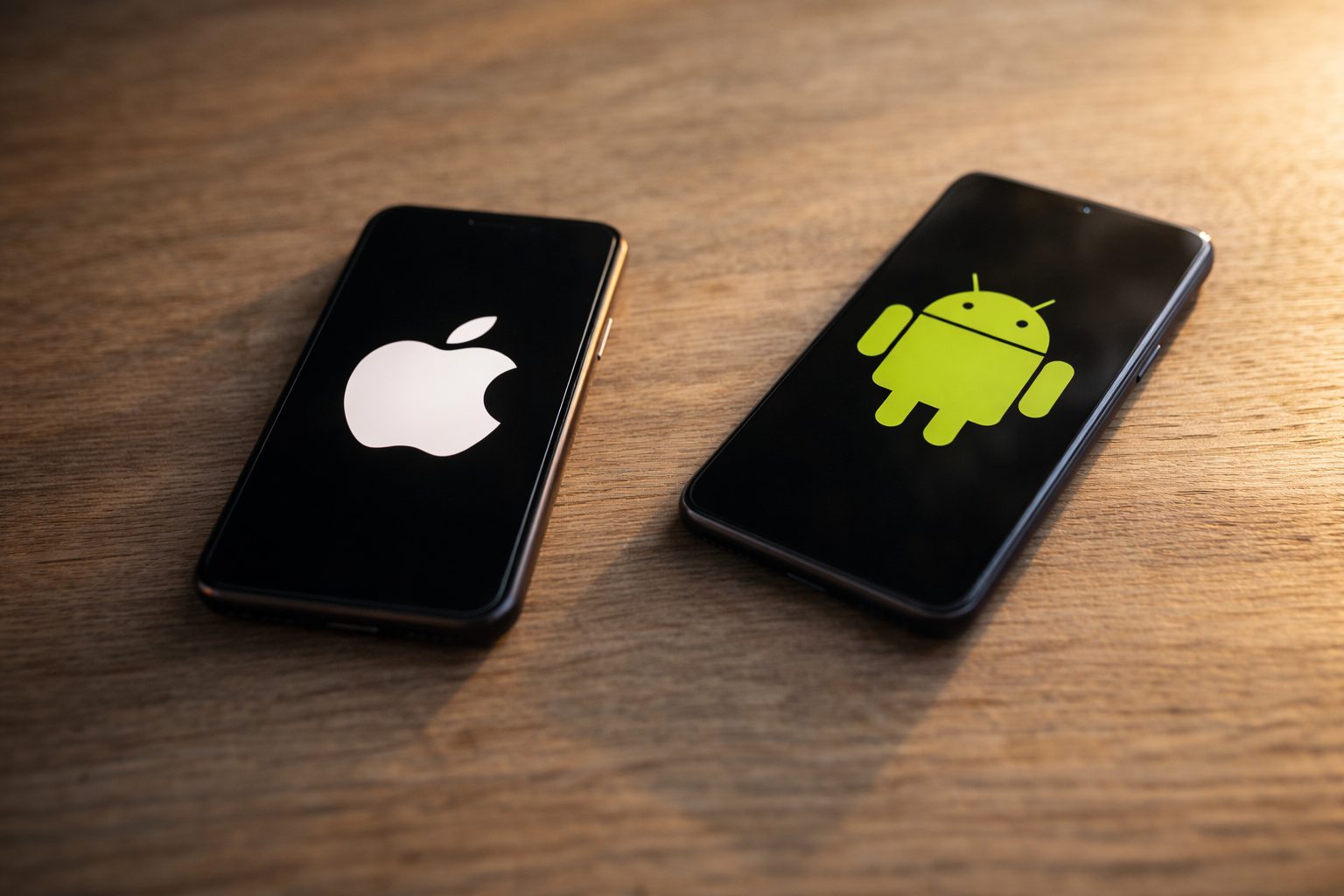
- Utah Senate Majority Leader Kirk Cullimore has introduced SB138, aiming to officially name Android as the state’s mobile operating system.
- Cullimore described the measure as a state-symbol bill and didn’t expect it to get very far.
- As Utah lawmakers kick off the 2026 session, they’re juggling a batch of tech- and phone-related bills.
Utah Senate Majority Leader Kirk Cullimore introduced a bill to make Android—the software powering many smartphones—Utah’s official state mobile operating system. The move sparked a quick debate in the Senate over iPhone versus Android. “Is this a real bill?” asked Senate Majority Assistant Whip Mike McKell. Cullimore predicted that iPhone users might eventually see Android as “better” and joked about “discrimination” linked to green text bubbles. He also acknowledged he doesn’t expect the bill to advance past committee. Ksl
At the start of Utah’s hectic legislative session, lawmakers wasted no time tackling phone use in schools, particularly among kids. On Wednesday, a Senate committee pushed forward SB69 with a 6-1 vote, proposing a default “bell-to-bell” policy that restricts students’ phone use from the first to the last bell—except in emergencies and certain situations. Ksl
Cullimore’s Android bill takes an unusual angle: instead of regulating smartphones or forcing device changes, it proposes adding a new state symbol. The bill aims to amend Utah’s official state symbols to declare, “Utah’s state mobile operating system is Android.” It doesn’t allocate any funding and would kick in on May 6, 2026, if passed into law.
The “green bubble” has long been a sore spot in U.S. phone culture. iMessage conversations between iPhone users display blue bubbles, but texts sent to non-iPhones turn up green.
That color split quickly turned into a symbol of the larger platform divide. Apple’s iPhone uses iOS, whereas Android, created by Google, runs on the majority of non-Apple smartphones.
Utah’s state symbols cover everything from the state bird to the state cooking pot. Now, Cullimore’s bill aims to add a consumer tech brand to that official list—represented by a single line of code.
The measure also highlights a clear competitive advantage: Android spans a wide range of manufacturers, whereas Apple owns both the iPhone hardware and iOS software. This distinction influences everything from app store policies to messaging quirks that lawmakers—and pretty much everyone—have to deal with.
But even bills that seem like “just a symbol” can backfire. They might escalate into proxy battles over culture and corporate influence, or trigger backlash from voters who reject using laws as a way to settle scores between private tech giants.
At first glance, SB138 feels like a Capitol sidebar jab, arriving during a session already focused on phones—in schools, at home, and now, at least on paper, as part of Utah’s official symbols.