
BENGALURU, January 27, 2026, 00:47 IST
- VinFast teams up with AI specialist Autobrains to develop affordable autonomous driving tech, featuring a “Robo-Car” system
- VinFast’s VF 8 and VF 9 models now feature upgraded driver-assistance pilots, with broader testing scheduled.
- The camera-focused setup relies on seven cameras paired with an onboard chip, sidestepping expensive LiDAR, radar, and high-definition maps
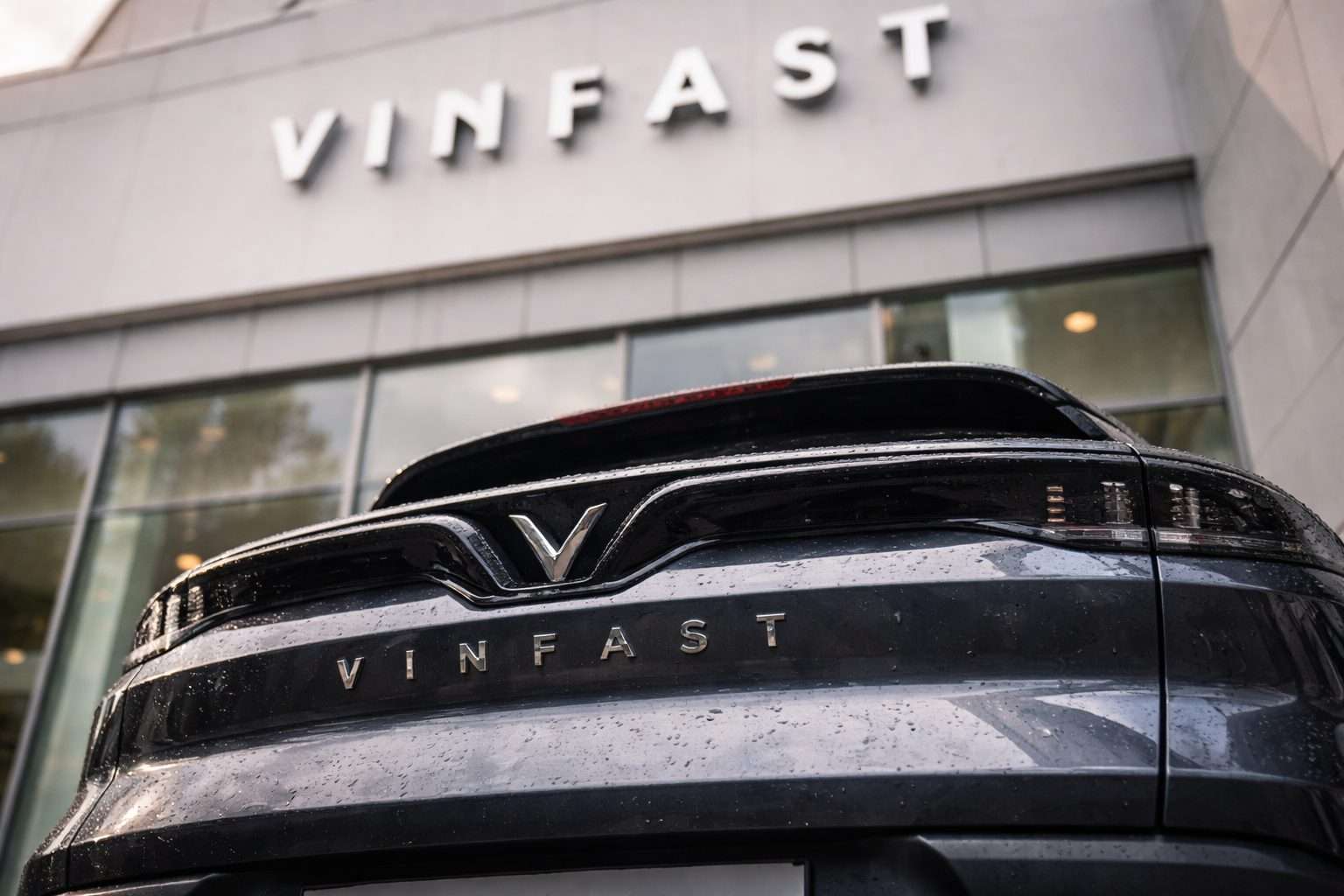
Vietnamese EV manufacturer VinFast announced on Monday a partnership with AI company Autobrains to create advanced autonomous driving tech, including a budget-friendly “Robo-Car” system. Reuters
The partnership comes as automakers push to roll out more driver-assistance tech without letting sensor and development expenses spiral out of control. VinFast is seeking a more affordable path following years of expensive and slow progress in self-driving efforts.
Autonomy is now as much about cutting costs as it is about software innovation. Finimize pointed out that the “Robo-Car” idea mirrors Tesla’s camera-centric strategy, wagering that extra computing power can substitute for expensive hardware and the ongoing upkeep of maps. Finimize
The companies announced plans to enhance driver-assistance systems in upcoming VinFast models, expanding on the existing Level 2 features. At this level, the vehicle can handle steering and braking or acceleration under specific conditions, yet the driver must stay vigilant and in control.
VinFast has begun pilot testing its upgraded assistance tech on the VF 8 and VF 9 models, aiming for a slow rollout across its range. The “Robo-Car” system is being trialed in controlled areas of Hanoi, with ambitions to extend tests to bigger cities and international markets. MarketScreener
VinFast and Autobrains announced that their long-term system aims to achieve advanced autonomy without the expensive LiDAR sensors, radar arrays, or high-definition maps that many rely on to locate vehicles precisely. Their approach uses seven standard cameras paired with a compact, high-performance chip instead.
VinFast’s camera-first strategy clearly follows Tesla’s lead, banking on vision and software to handle most of the heavy lifting. This approach still sparks debate within the industry, mainly because it places significant safety responsibilities on perception software.
Autobrains isn’t new to VinFast. Back in 2022, when the Israel-based company closed its Series C round, VinFast deputy CEO Thuy Linh Pham described its technology as having the potential “to create the paradigm shift.” Meanwhile, chairman Karl-Thomas Neumann referred to Autobrains as “a key player in leading the future of mobility.” Global Venturing
Yet, shifting from controlled environments to busy urban streets is where many autonomous projects hit a wall. Systems relying mainly on cameras struggle with heavy rain, glare, and faded road markings. Plus, traffic regulations can vary widely between regions.
Right now, the plan is to roll out more advanced driver-assist features before expanding testing of the Robo-Car idea. The critical challenge? VinFast needs to prove its software works quickly enough to scale up without driving costs back up.