WASHINGTON, Jan 27, 2026, 14:53 (EST)
- Two recall campaigns cover 43,881 ID.4s (model years 2023–2025) and 670 ID.4s (model years 2023–2024), U.S. regulators said
- Fixes include a battery software update and health check, with battery module replacement in some cases
- Owners are set to get remedy notices in March; a smaller group is told to limit charging and avoid DC fast charging until repairs are done
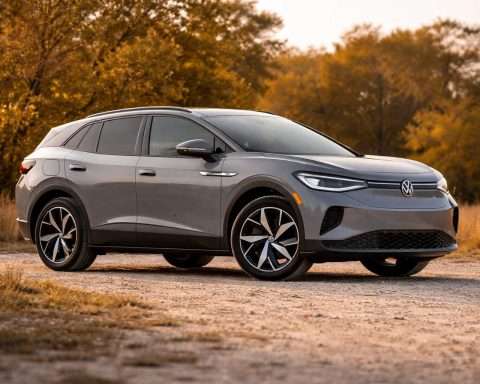
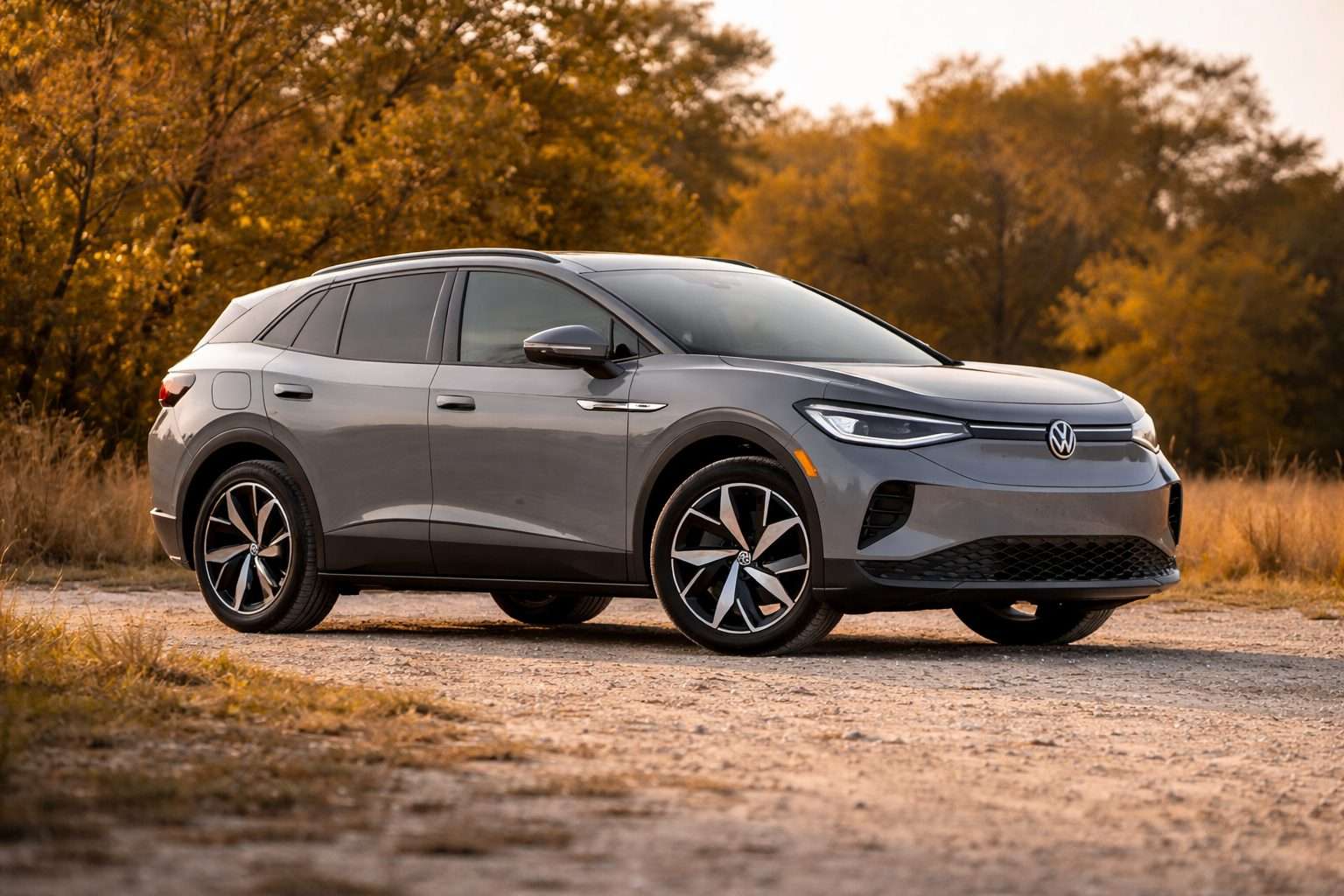
Volkswagen is recalling 44,551 ID.4 electric vehicles in the United States in two separate campaigns tied to potential battery-related fire risks, the U.S. National Highway Traffic Safety Administration said on Tuesday. The actions cover one group where battery modules may overheat and another where certain battery cells may contain misaligned electrodes. Reuters
The recall lands on Volkswagen’s key U.S. electric SUV as battery safety stays a pressure point for the industry. Fire risk is among the most disruptive defects in an EV because fixes can involve the high-voltage pack and can prompt interim limits on charging and parking.
For owners, this is not just a software patch. The filings show a mix of remedies: checks, updated battery monitoring software, and in some cases replacement of high-voltage battery components, all at no cost. Nhtsa Nhtsa
The larger campaign covers 43,881 ID.4 vehicles from model years 2023 to 2025. NHTSA said defective high-voltage battery cell modules may overheat, raising the risk of a fire.
In its filing, Volkswagen described the defect as a rare “thermal propagation” risk — meaning heat can spread inside the battery module and escalate. Dealers will run a battery health check, install updated Self-Discharge Detection (SDD) software, and replace battery cell modules if the inspection or software flags a problem.
SDD software is meant to spot abnormal self-discharge — a battery losing charge on its own — that could point to a deeper fault. The filing said a joint analysis with the supplier has not produced a clear root cause, but current results suggest supplier deviations could lead to self-discharge; customers may notice loss of range or performance.
A separate recall covers 670 ID.4 vehicles from model years 2023 to 2024. The filing said individual battery cells in certain high-voltage battery cell modules may contain misaligned electrodes, which in certain situations can lead to a fire.
Volkswagen said it will replace the potentially affected high-voltage battery cell modules for those vehicles. Until that work is done, the company advised owners to set an 80% charge limit, avoid Level 3 DC chargers — high-power fast chargers — and, “out of an abundance of caution,” park outdoors immediately after charging and avoid charging indoors overnight.
Both filings list January 23 as the planned dealer notification date and say VINs became searchable on January 23. Remedy owner notifications are planned for March 20 in a phased rollout, and Volkswagen said it will not offer reimbursement because the vehicles are within the new-vehicle warranty period.
The filings name SK Battery America as the supplier of the battery cell modules. Electrive reported the campaigns apply to ID.4 vehicles built in Chattanooga, Tennessee, using cells from SK’s Georgia plant, while European-built ID.4s use different cells. Electrive
The ID.4 competes in the U.S. with electric crossovers such as Tesla’s Model Y, Ford’s Mustang Mach-E and Hyundai’s Ioniq 5. Any disruption to charging routines or dealer capacity matters in a segment where buyers weigh safety and reliability alongside price.
A key uncertainty is that Volkswagen’s larger campaign cites an unclear root cause and leans on detection software and inspections to catch risky behavior early. If more thermal events occur outside the identified population, the scope could widen, and battery module replacements could mean longer waits for parts and service slots.
Owners can check whether their vehicle is affected using their VIN through NHTSA’s recall database or by contacting a Volkswagen dealer. Drivers in the smaller campaign are advised in the filings to follow the interim charging and parking steps until repairs are completed.