WASHINGTON, Feb 4, 2026, 10:15 EST
- Executives from Waymo and Tesla, alongside U.S. senators, are urging Congress to finally advance the long-delayed self-driving car legislation
- Supporters argue a national framework might accelerate robotaxi deployments and reduce China’s sway on international standards
- Recent incidents and ongoing federal safety investigations into both companies cloud the debate
Lawmakers in the U.S., alongside executives from Alphabet’s Waymo and Tesla, plan to push Congress on Wednesday to revive stalled legislation aimed at accelerating self-driving car deployment. They warned that China could pull ahead if Washington delays further. Reuters
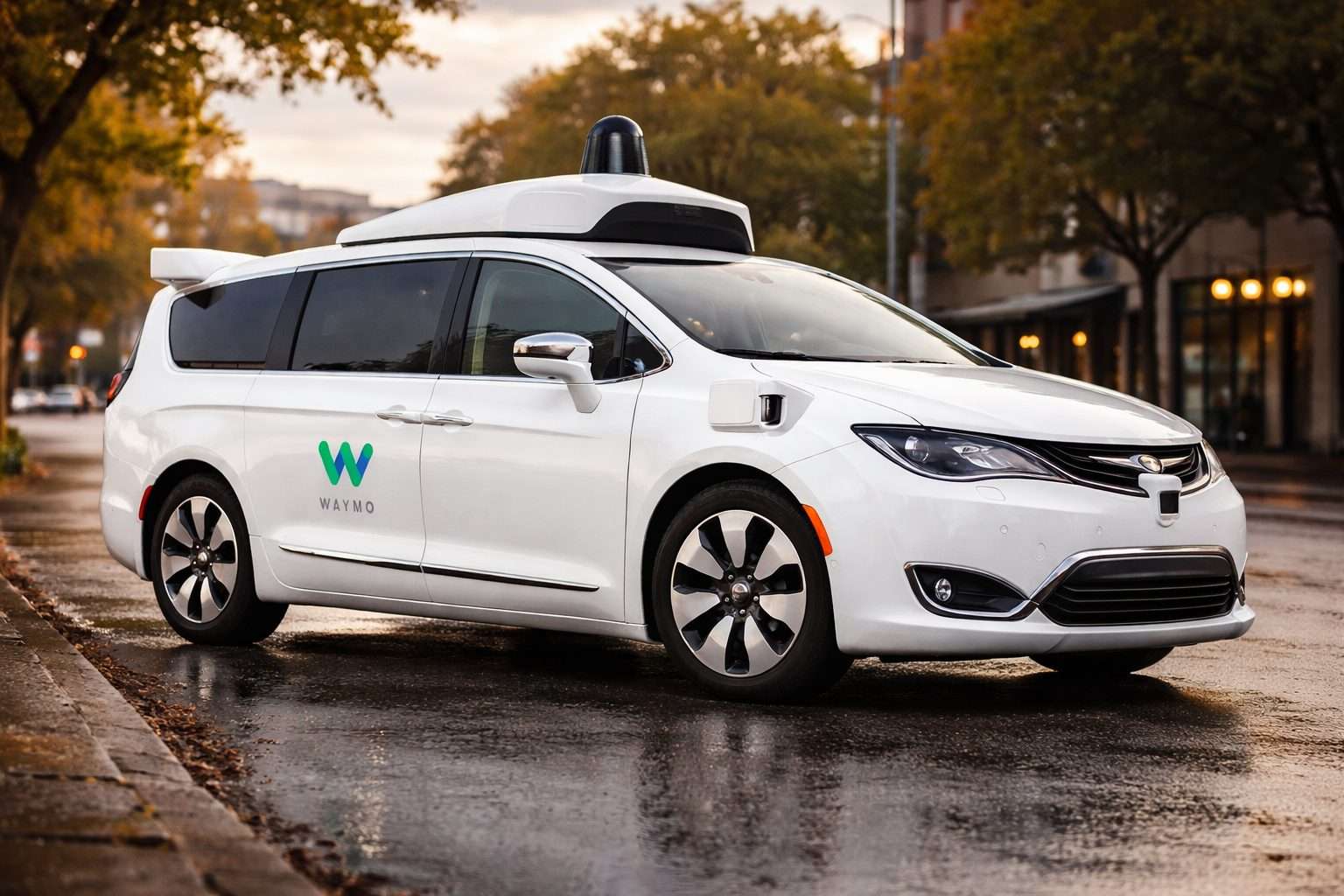
Timing couldn’t be more awkward. Robotaxis—ride-hailing without a human driver—are rolling out in more U.S. cities, yet federal regulations still mostly expect a human behind the wheel with pedals and a steering wheel.
Companies complain that a regulatory gap has trapped them in a maze of state rules while the federal approval process drags on—despite their push to market autonomous vehicles, or AVs, as both a safety solution and a key part of industrial strategy.
The Senate Commerce Committee has scheduled a hearing called “Hit the Road, Mac: The Future of Self-Driving Cars.” Among those testifying are Tesla’s vehicle engineering VP Lars Moravy and Waymo’s Chief Safety Officer Mauricio Peña. Senator Cruz pointed out that a “confusing mix of federal and state laws” is complicating efforts to advance the technology. Senate
Democratic Senator Gary Peters, a committee member, cast the issue as one of manufacturing dominance and standards. According to him, China has the potential to “be the dominant manufacturer of transportation for the 21st century.”
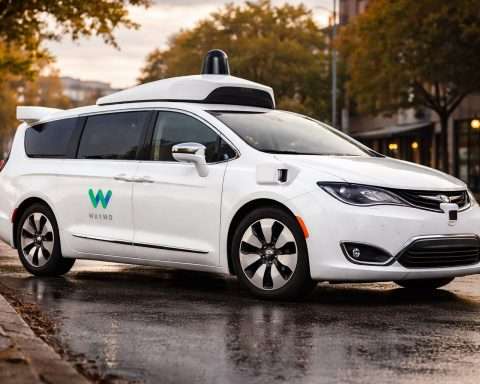
In written testimony, Peña revealed that Waymo is already operating fully autonomous “Level 4” trips—meaning the vehicle drives itself in specific zones without a human overseeing the road—across six U.S. metropolitan areas. The company has clocked nearly 200 million autonomous miles. According to Waymo, its driver has experienced “10x fewer serious injury or worse crashes” compared to human drivers over similar distances in those cities. Senate
Moravy urged senators to “modernize regulations that inhibit industry’s ability to innovate,” citing Tesla’s crash data for its Full Self-Driving (Supervised) system. He noted Tesla cars running that software average 5.1 million miles between major collisions, while the U.S. average sits at just 699,000 miles. Senate
Federal pressure is mounting. The National Highway Traffic Safety Administration and the National Transportation Safety Board have launched safety probes into Waymo. Meanwhile, NHTSA is investigating 2.9 million Teslas with its Full Self-Driving (FSD) system following reports of crashes and traffic-safety violations. Tesla maintains that FSD demands active driver supervision and doesn’t make vehicles fully autonomous. Reuters
Safety, rather than geopolitics, might still act as the main brake. Professor Bryant Walker Smith, a law professor at the University of South Carolina, cautioned lawmakers against viewing certification as a one-time milestone. He argued that “Safety is a marriage, not a wedding,” pushing for stricter transparency requirements whenever systems fail. Senate
Some Republicans expressed similar concerns around privacy and public trust. Senator Eric Schmitt noted his constituents want clarity on safety and “privacy issues.” Meanwhile, Waymo’s head of global public policy, Justin Kintz, highlighted their operation’s scale — “We’re doing over 400,000 trips a week” — explaining that makes rare incidents stand out more. Foxbusiness
A major sticking point is defining what “autonomous” actually means. Jeff Farrah, CEO of the Autonomous Vehicle Industry Association, told the committee that “driver-assistance technology” isn’t the same as full autonomous driving. He pushed for a federal framework, saying it’s long overdue. Senate
Waymo’s Peña outlined a wish list calling for a national safety baseline and updates to the Federal Motor Vehicle Safety Standards—the federal rules governing vehicle design—to permit purpose-built autonomous vehicles that ditch traditional manual controls.
Congress has wrestled with AV legislation for years, still divided over the pace and scope of reporting and oversight requirements. Wednesday’s hearing makes one thing clear: the pressure is mounting again—robotaxis are already on the roads, investigations are active, and China is cited in almost every debate point.