
SYDNEY, June 12, 2026, 02:13 (AEST)
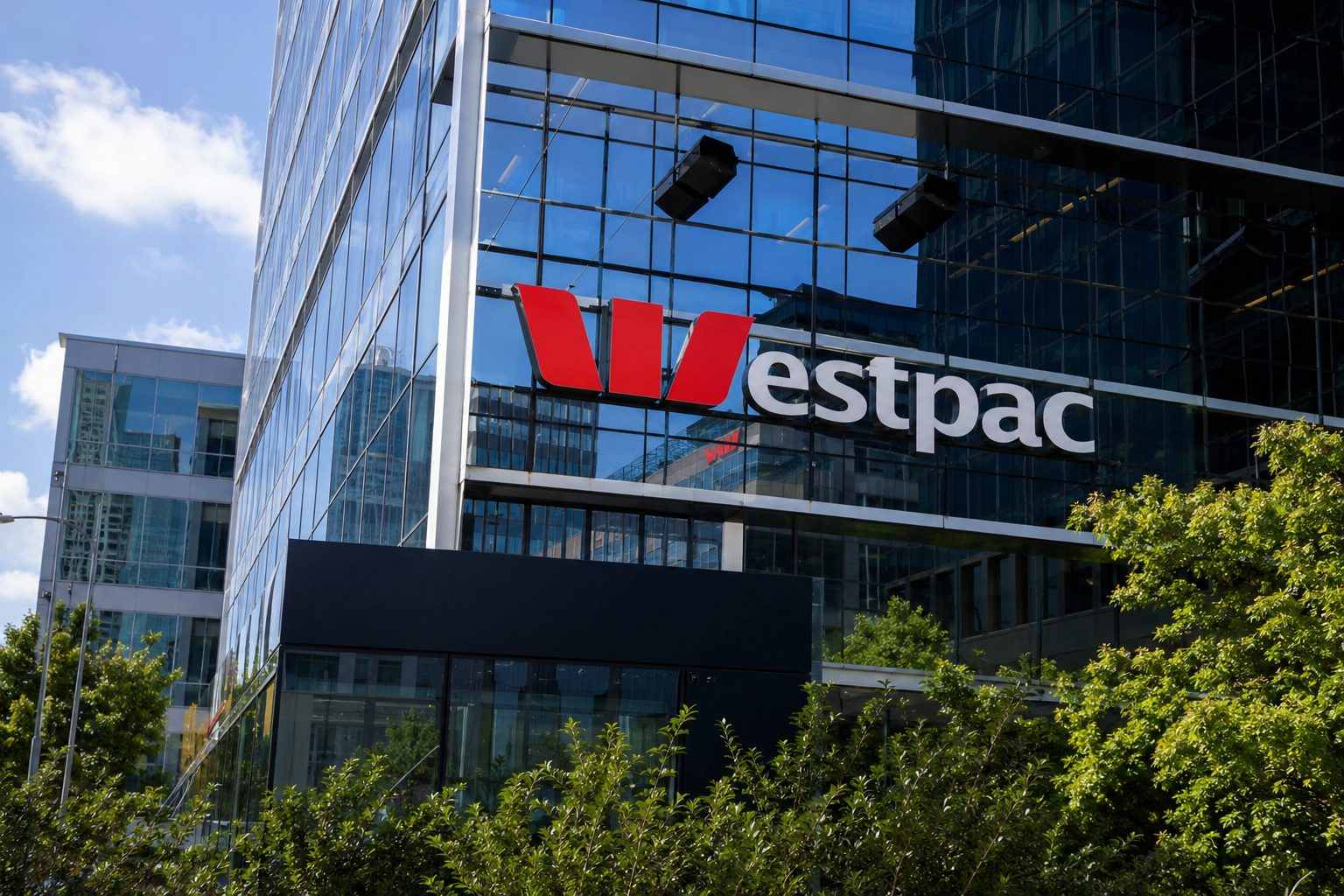
- Westpac Banking Corporation closed out Thursday at A$34.50 after falling A$0.91, or 2.57%. The shares finished at the session low.
- S&P/ASX 200 slipped 0.23% to 8,633.20, with bank stocks leading losses as the financials sector faced pressure through a soft session.
- Westpac is seeing mortgage application volumes ease off, reporting a run-rate of 27,000 applications per month after the budget, according to its latest consumer update.
Westpac Banking Corporation traded lower Thursday, with shares off 2.57% to A$34.50, down A$0.91, as investors responded to a quieter outlook for Australian banks and softer mortgage signs. The stock opened at A$34.85, hit A$35.29, but ended the session at its lowest mark. Volume came in around 5.08 million shares.
Australian stocks finished lower as the wider market fell. The S&P/ASX 200 ended 20.10 points, or 0.23%, down at 8,633.20, after hitting a session low of 8,555.30. The Bull said gains in materials and energy names helped limit losses, but financials slumped 1.45% because of softer mortgage demand.
Westpac released new consumer figures for investors after holding an update with Carolyn McCann, CEO of Consumer, on Thursday. The presentation showed an operating environment with economic uncertainty, higher rates, expected policy changes that could hit credit growth, heavy competition, and resilient customers.
Westpac’s update pointed to the housing pipeline as the main pressure point for the market. Monthly mortgage applications dropped from 35,000 in Q1 2026 to 33,000 in Q2. Since the budget, the run-rate slipped again, coming in at 27,000. Forecasts for housing credit growth from the bank now sit at 6.5% for FY26, falling to 4.7% in FY27, then ticking up to 5.2% in FY28.
Westpac’s Consumer division includes mortgages, consumer finance, cash and transactional banking, so household credit and deposit trends are key for how the market views the bank. Reuters says Westpac runs mainly in Australia and New Zealand, with segments such as Consumer, Business & Wealth, Westpac Institutional Bank, Westpac New Zealand, and Group Businesses.
Australian household sentiment has dipped again. The Westpac–Melbourne Institute Consumer Sentiment Index dropped 2.9% in June to 80.6 from 83 in May, Reuters reported. Readings under 100 show more pessimists than optimists. “At 80.6, the latest monthly Index read is back amongst the weakest seen in the fifty-year history of the survey,” said Matthew Hassan, head of Australian macro-forecasting at Westpac. Reuters
Short sellers have ramped up positions against Australia’s big banks. VanEck said Thursday that hedge funds now hold about A$11 billion in disclosed shorts across Commonwealth Bank, Westpac, NAB and ANZ. That’s the biggest recorded total since ASIC started gathering this data in 2010. ASIC’s tables show the combined reported short positions from different firms, though the regulator says it can’t check every report.
Westpac pointed to its digital overhaul in the consumer update, saying it’s lifting engagement and cutting costs. The bank reported 5.3 million digitally active customers, with 74% of all sales coming from digital channels in the first half of 2026. Digital customers are four times as active with Westpac and 65% less expensive to serve than assisted customers, the bank said.
Westpac in its update pointed to the bank’s progress on simplifying the business with its UNITE program. The bank wants to cut Consumer products down to less than 35 in FY29, from 227 now. It also plans to shrink the number of systems from 77 to under 30. Sales-and-servicing and authentication will go onto single platforms.
Fraud controls got some attention in the investor update. Westpac said its SaferPay alerts stopped A$73 million in scam losses for customers in the first half of 2026. The Verify payee-name tool stopped A$2.7 million. The bank also said SafeBlock has logged over 310,000 blocks since September 2025.
Westpac’s sell-off has investors weighing concerns about mortgage growth and household confidence against the bank’s focus on capital, dividends and efficiency. At its May half-year, Westpac posted a A$3.5 billion net profit excluding notable items, down 1% on the second half of 2025, but up 1% from the first half of 2025, and set a 77-cent interim ordinary dividend. CEO Anthony Miller said the bank had “delivered solid operating momentum while investing for the future.” Westpac