
New York, May 27, 2026, 12:08 EDT
- Omeros shares fell 3.9% in late-morning trading, lagging the broader biotech tape.
- The move came in a holiday-shortened U.S. trading week, after Nasdaq closed Monday for Memorial Day.
- Investors remain focused on YARTEMLEA’s early U.S. launch, reimbursement milestones and a pending European review.
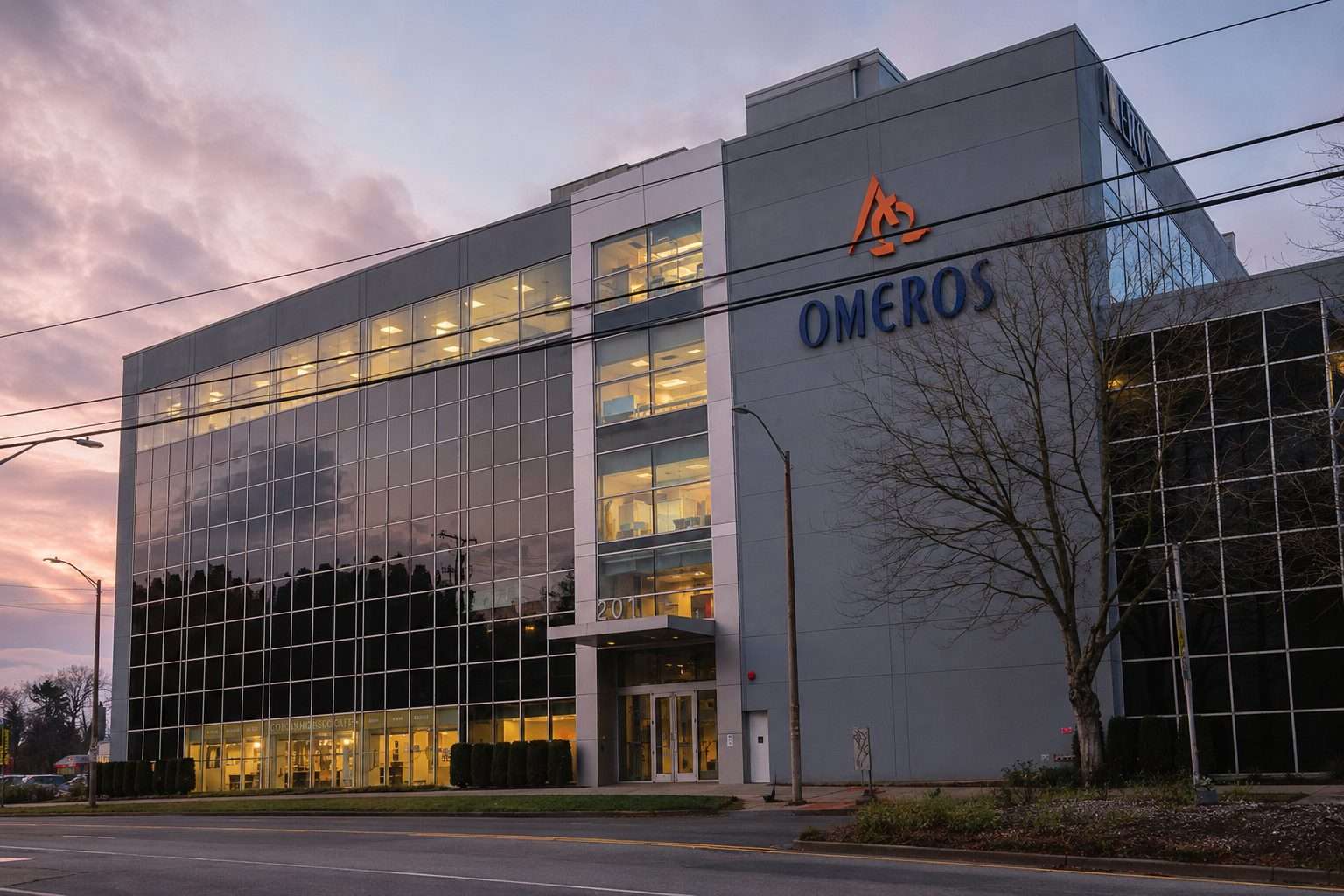
Omeros Corp shares dropped on Wednesday, falling 3.9% to $11.20 by late morning in New York, as investors marked down the Seattle biotech even while sector funds gained. The stock opened at $11.77, touched $12.02 and then slid as low as $11.17, with about 1.38 million shares changing hands.
That divergence mattered. The SPDR S&P Biotech ETF, an exchange-traded fund — a basket of shares that trades like one stock — rose 1.3%, while the iShares Nasdaq Biotechnology ETF gained 0.9%. For a small-cap drug developer, falling on a firmer biotech tape tends to put the focus back on company-specific execution.
The trading session was open after Monday’s U.S. market holiday. Nasdaq’s 2026 calendar listed Memorial Day, May 25, as closed, with the next full U.S. equity market holiday set for Juneteenth on June 19.
The stock’s immediate test is less about a new headline and more about whether Omeros can turn its first commercial launch into repeatable revenue. The company began U.S. commercial distribution of YARTEMLEA in January, and its first-quarter filing showed $9.9 million in net product sales, compared with no product revenue a year earlier. It also warned that initial-period sales comparisons were limited and that revenue could fluctuate as patient access and physician adoption expand.
Omeros reported first-quarter net income of $56.1 million, or 78 cents a share, compared with a year-earlier net loss of $33.5 million, or 58 cents a share. But the quarter included a $73.1 million non-cash remeasurement tied to its 2029 notes — an accounting gain, not money received from customers.
Chief Executive Gregory A. Demopulos said this month that YARTEMLEA’s launch had “changed the trajectory” of Omeros and cited “strong early adoption” at transplant centers. The company also said a permanent reimbursement J-code for YARTEMLEA becomes effective July 1; a J-code is a billing code that can make it easier for hospitals and insurers to process drug claims. Business Wire
YARTEMLEA, also known as narsoplimab-wuug, treats transplant-associated thrombotic microangiopathy, or TA-TMA, a severe complication after stem-cell transplants in which damaged small blood vessels and clots can injure organs. The Food and Drug Administration approved it in December as the first treatment for the condition, Reuters reported at the time.
Competition is not simple. Reuters reported that AstraZeneca’s Soliris, approved for another thrombotic microangiopathy condition, has been used off-label in TA-TMA; off-label use means doctors prescribe a drug for a condition outside its formal approval. Omeros also has a larger-company link through Novo Nordisk, which acquired global rights to zaltenibart, Omeros’ MASP-3 inhibitor, under an asset sale and licensing agreement referenced in Omeros’ first-quarter materials.
Balance-sheet data gave investors some room, but not a free pass. Omeros said it had $135.3 million in cash, cash equivalents and short-term investments at March 31, used $14.5 million in operations during the quarter, and expected to fund more than 12 months of operations from the filing date using cash, investments and expected YARTEMLEA sales.
The risk is that the market is early, not wrong. Omeros’ latest 10-Q said results could differ from expectations on product sales, reimbursement, European regulatory review and competition. It also said the share repurchase program could increase volatility and might not lift shareholder value; about $95.9 million remained under that authorization as of May 11.
For now, Omeros trades like a launch story with a clock running. The July reimbursement-code date, a possible European Medicines Agency decision around midyear and the next sales update are the near-term markers. Wednesday’s selling showed investors are still asking for proof.