
Doha, Feb 28, 2026, 11:14 AST — The market has closed.
- The QE Index in Qatar dropped 1.55% over the week, finishing Thursday off 1.91% at 11,055 points.
- Insurance ended up as the lone sector in positive territory for the week, while real estate dragged the most, topping the list of weekly losers.
- No trading on the QSE this Sunday, March 1, due to a bank holiday. The exchange is set to reopen on Monday, March 2.
Qatar’s QE Index slid roughly 1.55% over the week, wrapping up February with a 2.26% drop. Still, the gauge remains 2.72% higher year-to-date. After MSCI adjustments and ex-dividend moves in blue chips, the index finished the week near 11,055 points. Barwa Real Estate grabbed the spotlight, making up about 37% of total turnover in the last session, according to Qatar News Agency.
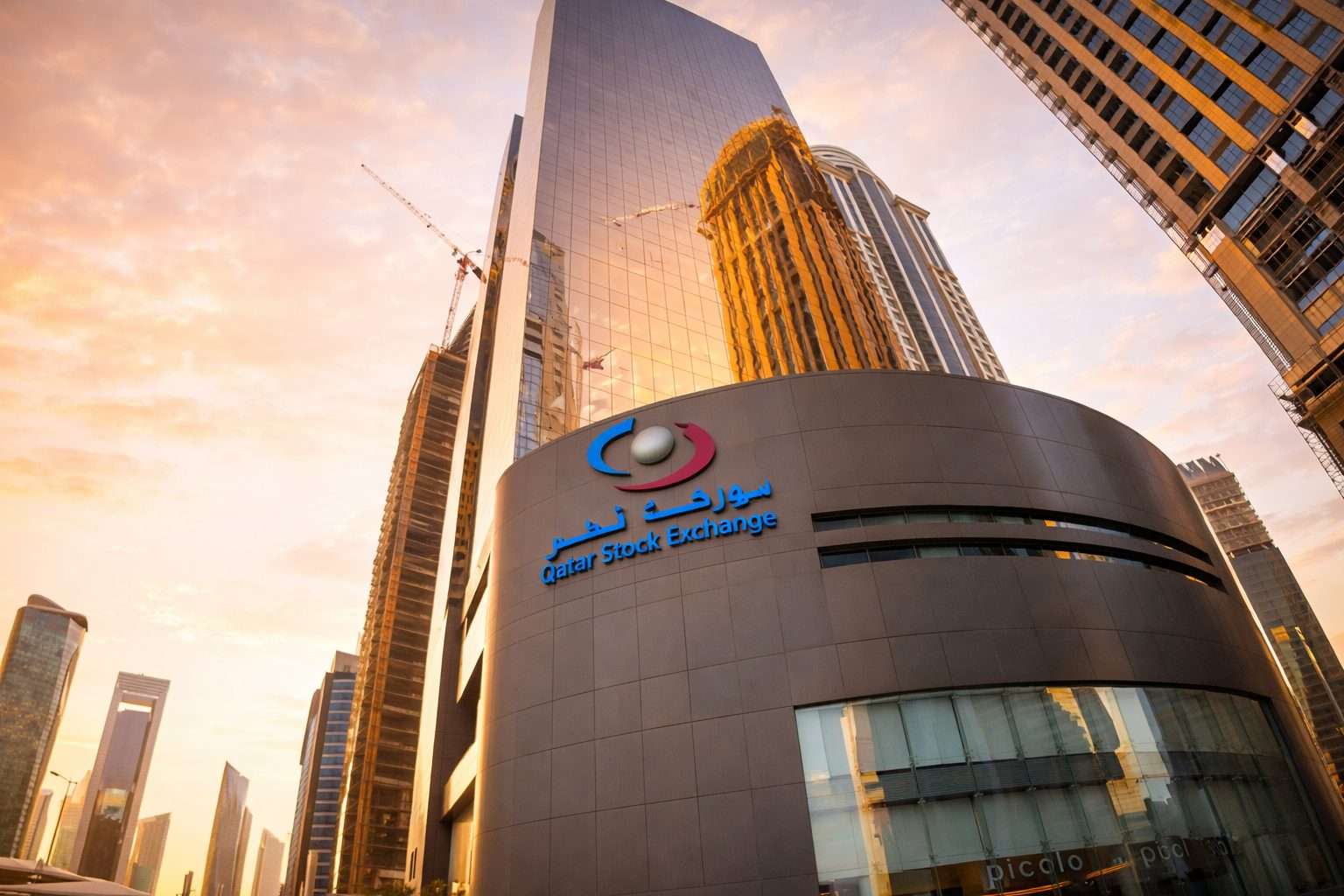
The Qatar Stock Exchange is set to shut down on Sunday, March 1, for a bank holiday, delaying its next trading session until Monday. This break is notable—traders will have a full weekend to digest any headlines before the market’s opening auction.
Oil pushed up to $73 a barrel on Friday, Reuters said, as major exporters ramped up supply ahead of Sunday’s OPEC+ talks. “The boost in exports will create a short-term buffer against Strait of Hormuz disruptions,” said Scott Shelton, analyst at TP ICAP. Reuters
Saturday brought another jump in tensions, with Israel hitting Iran in a pre-emptive move and U.S. forces beginning their own strikes, according to Reuters. Across the Gulf, investors are steeling themselves for fallout—shipping risk is top of mind, but there’s also concern about a broader pullback in risk appetite.
The QE Index dropped 1.912% Thursday to finish at 11,055.20, with trading volume hitting roughly 1.18 billion riyals, according to Dlala Brokerage. Ezdan Holding took a 5.22% hit, Barwa slipped 4.76%. On the upside, Beema gained 3.30% and General Insurance notched up 3.28%.
Banks led the selloff, mirroring losses across Gulf stocks on Thursday, as investors moved to trim exposure. Qatar National Bank gave up 3%, while Qatar Aluminium Manufacturing Co slipped 3.5%, sending Qatar’s index to its sharpest single-day drop since mid-June, according to Reuters.
Index rebalancing comes into focus again. According to a QSE market notice, the quarterly review brings no changes to the constituents of the QE Index, QE Al Rayan Islamic Index, or QE All Share Index. Fresh index weightings kick in from the open on March 2.
Qatar Islamic Bank has raised $750 million through a five-year sukuk, pricing the Islamic bond at a 4.402% profit rate. Demand ran high, with orders reaching roughly $1.7 billion. “The successful issuance of our USD 750 Million Sukuk underscores the depth of global investor confidence in Qatar’s strong and stable economy,” CEO Bassel Gamal said. Dlalabroker
Aamal reported a 2025 net profit of 443.3 million riyals and put forward a 5% cash dividend for the year. Gulf International Services, after its AGM, signed off on a 0.10 riyal-per-share dividend for 2025—equal to 10% of its nominal value.
Nebras Energy has struck a deal to acquire ENGIE’s shares, a move that would push its stake in Qatar Power up to 95% and give it 65% of Ras Girtas Power, pending regulatory sign-off. The news comes as investors weigh up recent earnings and dividend moves.
Still, the dangers haven’t gone away. Days before Saturday’s attacks, U.S. and Iranian negotiators wrapped up talks in Geneva with no agreement in hand. Oman, mediating, called the discussions a step forward and said there would be more, underscoring the shaky ground beneath what sometimes appears to be a quiet market.
Doha stays closed for Sunday’s bank holiday, so focus shifts to Monday—index-weight resets, OPEC+ fallout, and whatever crude decides to do. Traders eye the aftermath of Thursday’s drop, waiting to see if bargain hunters step in or if another leg lower hits first.