
Sydney, June 8, 2026, 02:05 (AEST)
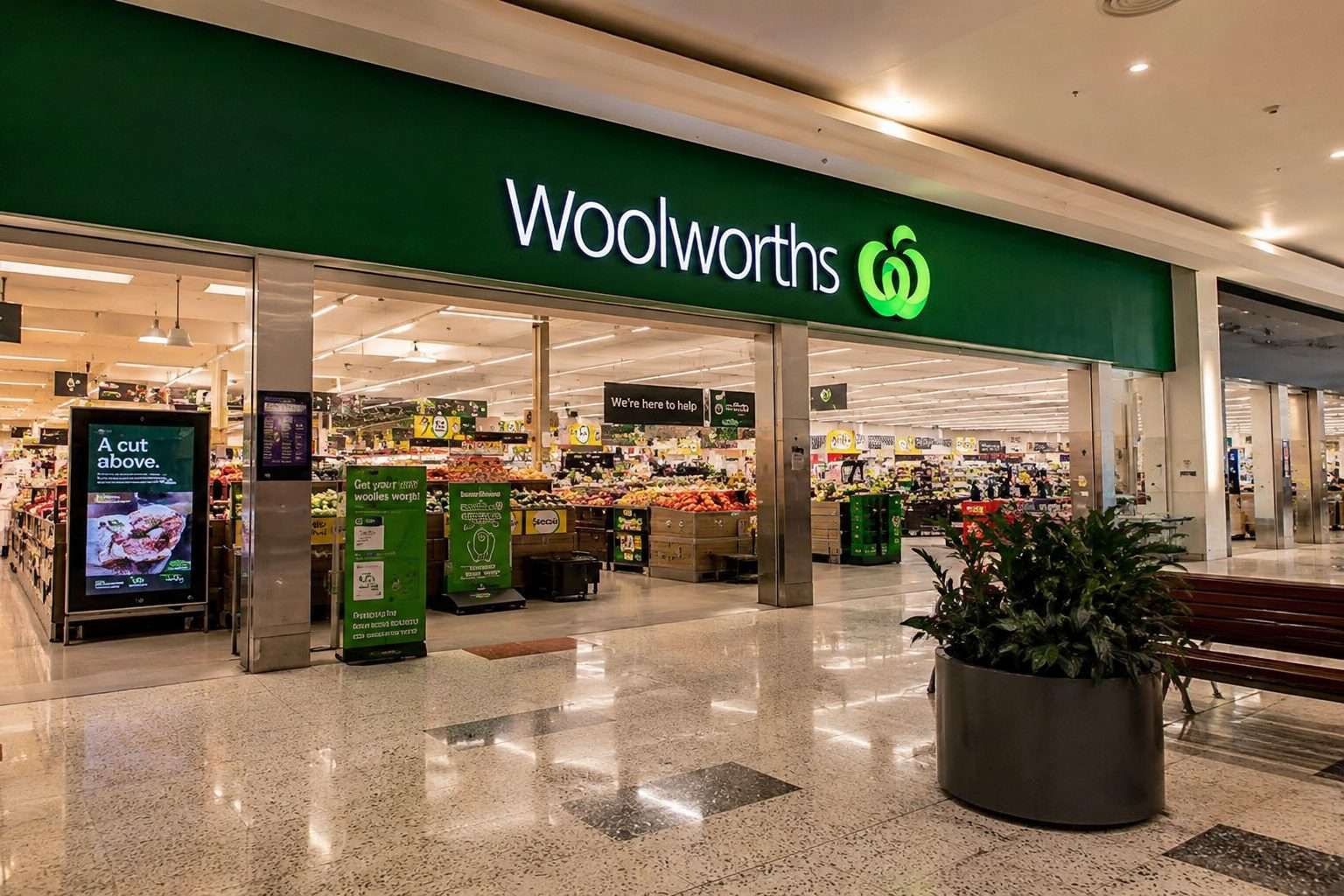
Woolworths Group Ltd heads into Tuesday’s Australian trade with a bit of a lead, having gained last week even as the broader market sagged. Investors are watching to see if the usual defensive grocery demand can keep covering fuel cost and margin concerns.
ASX is shut Monday for the King’s Birthday holiday, according to the cash-market trading calendar, which lists June 8 as a closed day with no settlement. Trading in Woolworths won’t resume until Tuesday.
Woolworths shares ended Friday at A$35.69, up 43 cents, or 1.22%. Reuters data showed the stock was about 1.3% higher than its previous Friday close of A$35.23. It was a volatile week, with a drop on Tuesday and a recovery by midweek.
S&P/ASX 200 closed out Friday at 8,625.10, down 0.70%. The index lost 1.22% over the past five days, according to ASX market data. Australian Securities Exchange That was better than the tape.
Not much new came out from companies over the long weekend. The ASX announcements page lists the most recent Woolworths item as a June 5 Appendix 3Y for chair Scott Perkins—a director-interest form. The last main trading update from Woolworths is still the April 30 third-quarter sales numbers.
April’s update continues to hold up the stock price. Woolworths said group third-quarter sales came in at A$18.1 billion, rising 4.5%. Australian Food sales climbed 5.9%. CEO Amanda Bardwell said cost-of-living pressures were “already acute,” and told investors the company was keeping focus on “making every dollar count.”
Woolworths is facing higher costs. The company said Australian Food EBIT is still expected to grow in the mid-to-high single digits for fiscal 2026, but not toward the top anymore. Woolworths cited fuel exposure, more spending on customers, and a three-month freeze on 300 staple prices starting May 1 as reasons for the change.
Coles Group, seen as the nearest peer on the market, picked up 1.9% to A$22.21 on Friday. The move keeps attention on whether funds are shifting to supermarket stocks for more stable demand, or just favoring whichever grocer might avoid margin pressure next.
Fuel is still the main factor. Reuters said Sunday that OPEC+ agreed to raise oil-output quotas again, but actual flows were held back by Gulf export issues. Oil eased to around $93, down from early-war highs. For an Australian and New Zealand grocer running stores, trucks and suppliers across both countries, that number is real.
Grocery competition in Australia remains intense. Back in February, Reuters said Woolworths and Coles still control around two-thirds of the sector. At the time, Bardwell told analysts, “Customers want value” and also “reliable value.” Those words still run through today’s strategy: lower prices just enough to keep shoppers, but stop before margins start to slide and spook investors. Reuters
But the trade isn’t simple. Woolworths could hang onto shoppers and protect profit if fuel and supplier costs remain elevated during the price freeze. But if households pull back, higher sales may not mean stronger earnings. More pressure in New Zealand Food or Big W would only increase that risk.
The main thing for the week ahead is the first trade after the holiday, not any fresh news. If Woolworths stays above Friday’s A$35.69 close, investors are likely still viewing it as defensive. But if the price drops right away, the April warning may still be weighing on the stock.