
HONG KONG, March 29, 2026, 18:09 HKT
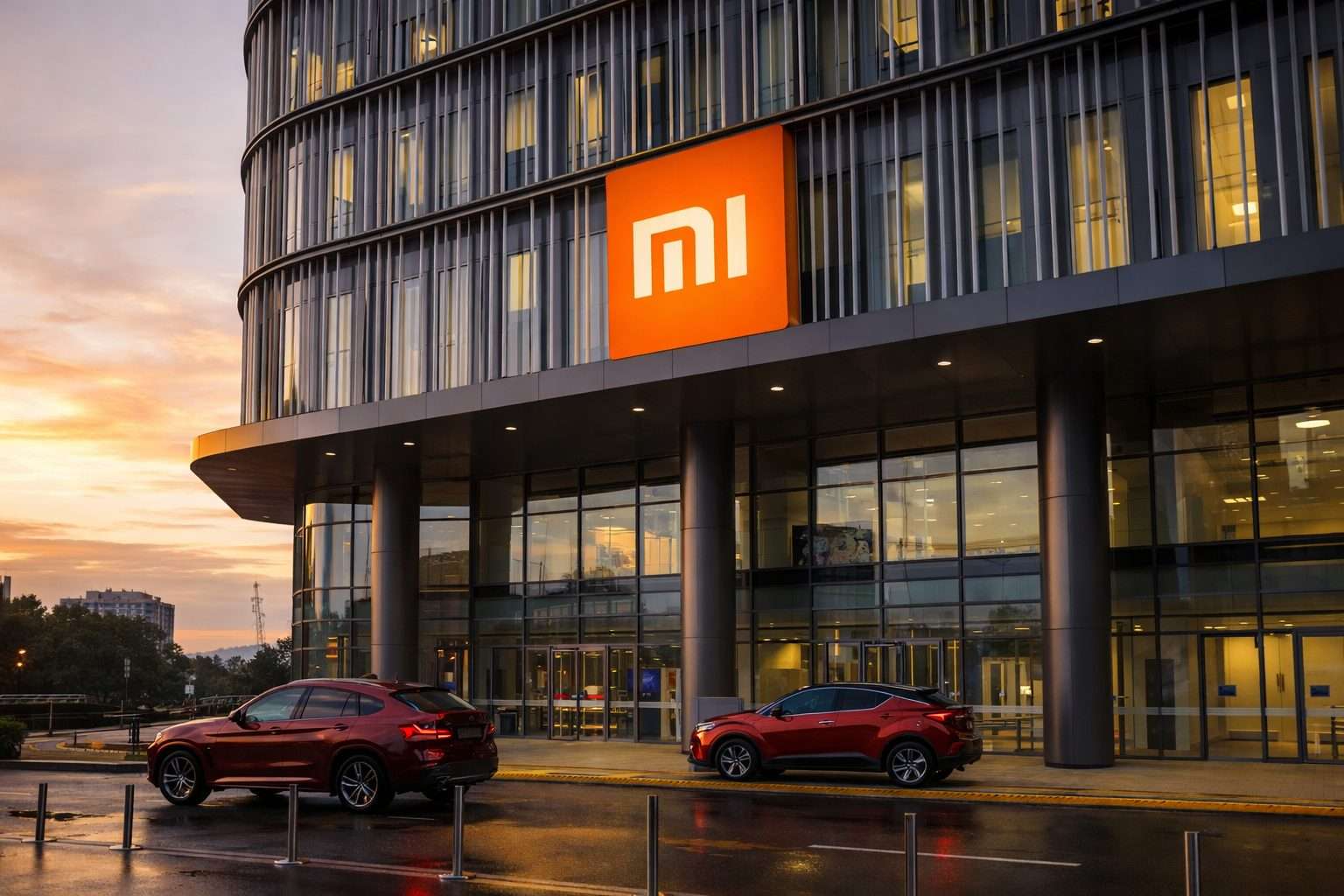
Xiaomi snapped up 2.2 million shares on March 27, spending HK$71.4 million, a filing in Hong Kong revealed. The move came just days after Xiaomi reported its first quarterly profit drop in three years. Shares in the company, which trades in Hong Kong, closed out Friday at HK$33.00—up 1.73%, per LSEG figures published on Xiaomi’s investor relations page.
Why does it matter now? Investors are trying to figure out if Xiaomi’s bets on electric vehicles and AI can help offset mounting pressure in its core phone segment. In its annual report released March 24, Xiaomi disclosed it had bought back around 130.5 million shares for about HK$4.7 billion as of March 20. The company’s adjusted net profit, which leaves out certain items, slipped 23.7% in the fourth quarter to RMB6.35 billion. Still, adjusted net profit for the full year climbed 43.8% to RMB39.17 billion on revenue of RMB457.29 billion.
On the company’s post-earnings call, Xiaomi President Lu Weibing warned that price hikes “may be inevitable” if rising memory costs keep outpacing what the company can stomach. The increase in memory prices was “higher than initially thought,” he said—clearly flagging a squeeze on handset margins. Reuters
Cars offset the rest. Xiaomi reported that its smart EV, AI and new initiatives division pulled in RMB106.1 billion in revenue for 2025, notching its first operating profit. Vehicle deliveries climbed to 411,082. The revamped SU7 sedan, starting at 219,900 yuan, picked up over 30,000 locked-in orders—meaning deposits had been placed—within just three days as Xiaomi went head-to-head with Tesla’s Model 3.
Lei Jun isn’t letting up on AI ambitions. On March 19, Xiaomi’s founder and CEO pledged at least 60 billion yuan for AI investment over the next three years. “We will advance faster and faster in many core technologies,” he said. Reuters
The phone market’s looking rougher. In February, IDC projected a 12.9% drop in global smartphone shipments this year, blaming rising memory costs. Apple and Samsung are in a stronger spot to pick up share, while budget Android brands get squeezed. Francisco Jeronimo at IDC described the shock as “tsunami-like,” and Nabila Popal, a senior research director, called it a “structural reset of the entire market.” Reuters
Still, the risk of things turning south remains. Reuters noted China’s smartphone market declined 4% between January and early March, and Xiaomi, already betting on EVs against Tesla in a packed arena, is pouring more into AI. If phone margins keep shrinking right as cars and AI start burning more cash, the group’s vulnerability grows.
The company repurchased shares Friday at prices between HK$32.36 and HK$32.50 each, with the filing noting the shares are set for cancellation.