LONDON, Jan 16, 2026, 09:26 GMT
- Analysts predict that rising memory costs will push handset prices up in 2026, hitting the low-end market hardest
- Nothing CEO Carl Pei points out that AI data centers are vying for the same chips used in smartphones
- The Nothing Phone 4a series is expected to launch in India before the end of March, featuring an upgrade to faster storage.
Industry analysts and executives warn that a shrinking supply of memory chips will drive up smartphone prices in 2026, with budget models expected to face the biggest impact initially.
The timing is rough for the industry. Global smartphone shipments hit around 1.25 billion units in 2025 after modest growth, according to Omdia. But now IDC predicts the market will shrink this year as component prices rise. They expect handset costs to climb 6% to 8%, with memory making up about 15% to 20% of the parts cost in mid-range phones. This makes entry-level devices particularly “price elastic,” since buyers tend to pull back quickly when prices increase. 1
Nothing CEO Carl Pei has been unusually frank about what’s ahead. He told The Times that memory prices have tripled in some instances due to soaring demand from AI infrastructure, signaling the end of the “cheap silicon” era. This change is pushing brands either to hike prices or scale back specs. 2
TipRanks highlighted the AI expansion as the main factor, noting that data centers are now consuming memory once destined for phones and laptops. This shift is forcing manufacturers into harsher pricing choices for consumer gadgets. 3
For most consumers, “memory” boils down to two types: DRAM, serving as a phone’s working memory (RAM), and NAND flash, which holds photos, apps, and files. When prices for these climb, the bill of materials—the overall cost of a phone’s parts—jumps quickly, leaving little wiggle room in budget models.
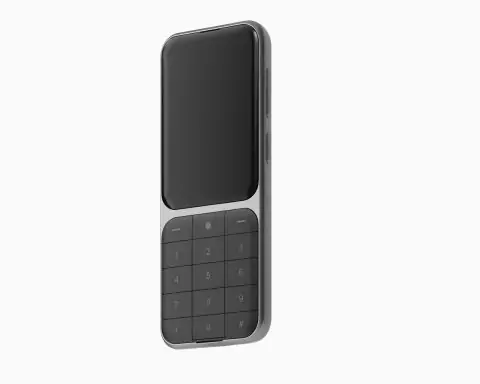
Pressure is already shaping product plans. Indian media sources say the Nothing Phone 4a series is likely to debut in India and other regions before March ends. The new lineup might upgrade to UFS 3.1 storage—a speedier standard—replacing the UFS 2.2 storage found in the current Phone (3a) models. Nothing has yet to reveal the full specs for the 4a devices. 4
Brands love to highlight storage upgrades like this one. Yet, such improvements usually come with a price hike—especially now, when even minor spec boosts are tough to justify without raising costs.
Larger companies have more flexibility. Apple and Samsung, for example, can rely on long-term supplier contracts and bulk purchases when capacity gets tight. Smaller or more budget-focused brands, however, face the risk of being pushed out of the entry-level market.
Analysts suggest the supply shock might accelerate consolidation. Sanyam Chaurasia from Omdia highlighted Realme’s reintegration into Oppo as an early move by vendors aiming for greater scale amid rising costs. IDC has cautioned that how long the shortage lasts will shape the severity of any market contraction.
Some routes might still ease the impact. If data center demand drops or memory manufacturers redirect more output to consumer-grade components, phone pricing pressure could lessen. Should the squeeze persist, brands might protect margins by cutting back on discounts, offering more trade-ins, and tightening device specs rather than pushing for higher sales volume.
Right now, the choice is straightforward: either shell out more cash for the same phone or settle for a less capable device at the same price.