
Seoul, Jan 8, 2026, 20:29 (KST)
- Samsung says internal testing slowed Google Play system updates on some Galaxy phones
- Users reported Play system versions stuck at mid-2025 levels even as security patches arrived
- Samsung says rollouts should resume in January but gave no detailed timetable
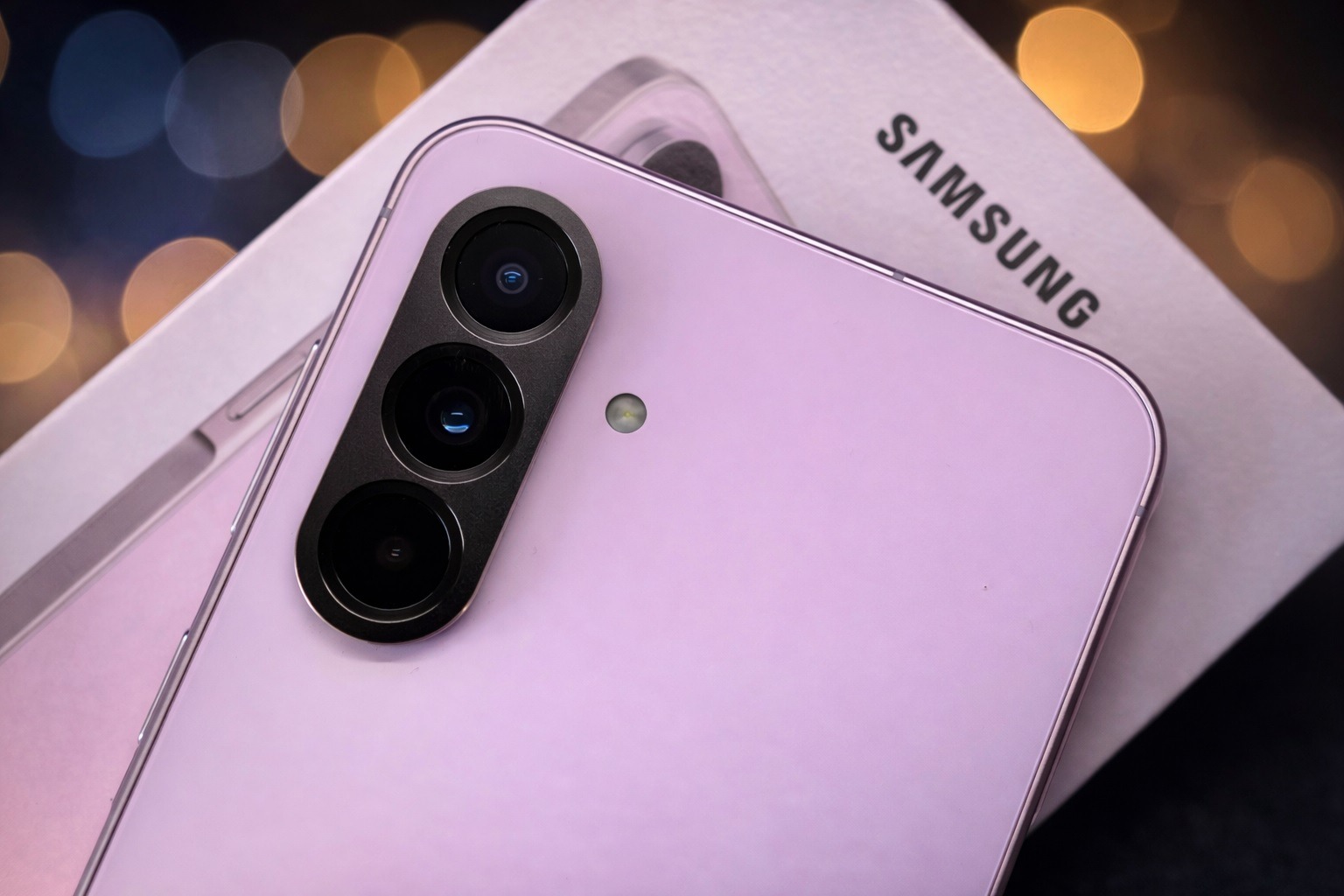
Samsung has deliberately delayed Google Play system updates on some Galaxy smartphones and expects to resume rolling them out in January, after users reported devices stuck on mid-2025 versions. The company tied the pause to its internal software checks during new device launches and major updates to One UI, Samsung’s Android interface.
Google introduced these “Play system updates” under Project Mainline to push updates to parts of Android through the Play Store, without waiting for full firmware releases from phone makers. “Project Mainline enables us to update core OS components in a way that’s similar to the way we update apps: through Google Play,” Android engineers Anwar Ghuloum and Maya Ben Ari wrote when Google announced the approach. Android Developers Blog
The issue matters because many users only notice the lag when the “Google Play system update” date in settings fails to move for months, even as other patches arrive. Android Authority said it saw complaints from Galaxy owners — including users of newer flagships — reporting Play system dates stuck as far back as July or September 2025. Android Authority
In comments to German publication heise online, Samsung said it pauses Google-delivered updates when it is pushing major One UI releases or introducing new devices. “Samsung has temporarily suspended the distribution of Google updates to avoid potential issues,” the company said, adding it plans “to include the Google update in January 2026.” heise online
Samsung did not say which models will get the first wave or how quickly the backlog will clear. SammyGuru reported that several Galaxy phones remain on July or August 2025 Play system versions, and noted the Play system update sits in a separate menu from Samsung’s regular firmware updates.
The pause also highlights a competitive divide inside Android. Samsung Magazine noted that Google’s own Pixel phones can typically take the update normally, while some Galaxy owners say they cannot pull it even when they manually check.
But Samsung’s restart pledge comes with big gaps: it has not set out a device-by-device schedule, and it has not said whether Play system updates will then land monthly again. FindArticles said Samsung’s plan mirrors earlier periods when updates stalled and then returned later, suggesting some users could see sudden jumps rather than steady monthly steps.
Project Mainline is meant to reduce the lag that comes from vendor testing, but it still depends on how device makers integrate and ship the modules. Google’s Android Open Source Project documentation describes Mainline as a way to modularize certain system components so they can be updated outside the normal platform release cycle.
For now, Galaxy owners can only wait — and keep installing Samsung’s regular firmware and security patches, which arrive through the usual system update channel. If Play system updates resume as Samsung says, users should see the date in Settings move again, but the company has not said how far it will jump or how often it will update after that.