
WARSAW, Feb 10, 2026, 10:21 (CET)
- A new review highlights the 7.2mm slim design, paired with a hefty 6,500mAh battery and a 3D-curved AMOLED display
- Infinix is counting on longer software support and better signal performance to stand out in the crowded midrange 5G segment
- Pricing and specs vary by region, and some headline claims are based on lab tests
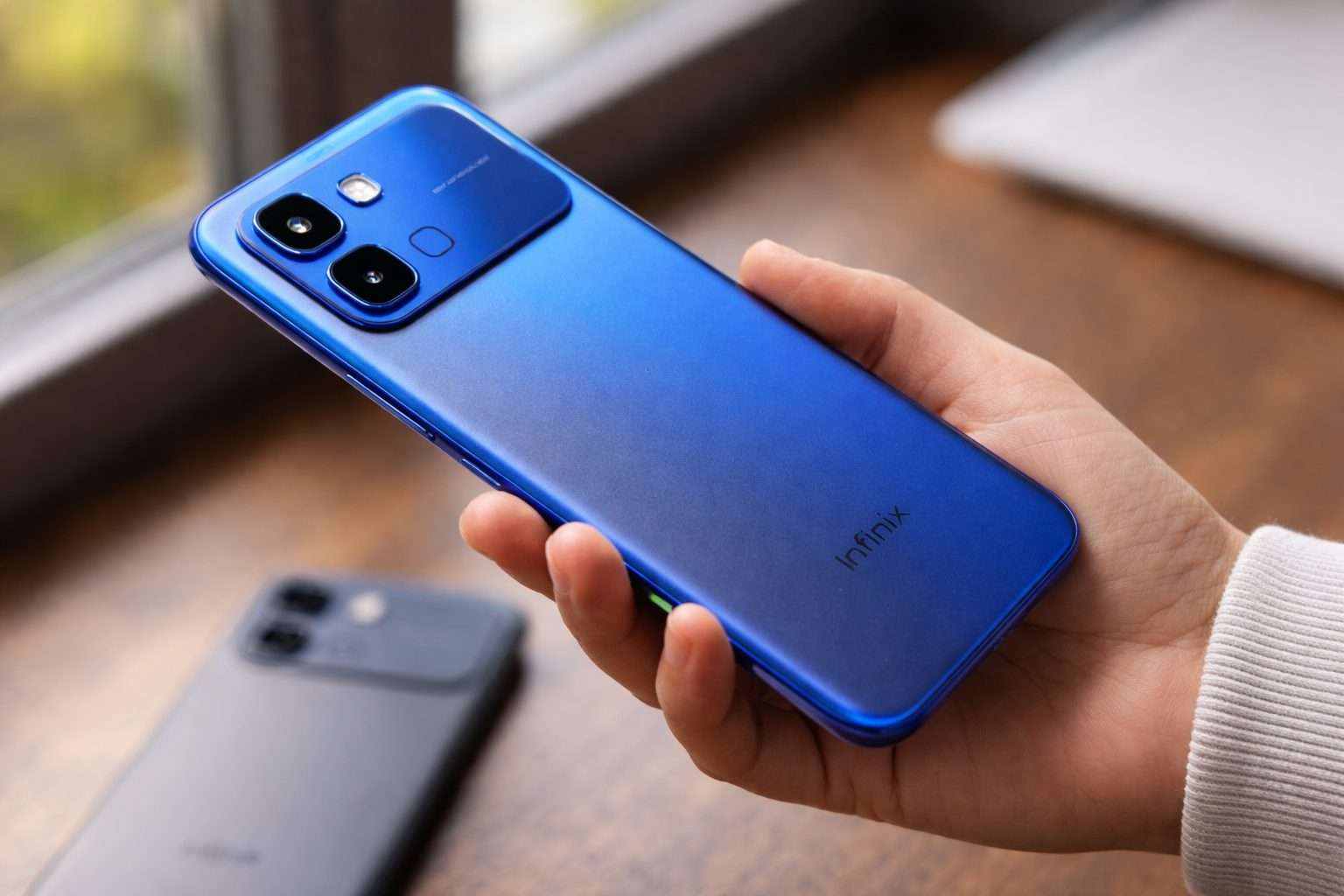
Infinix’s Note Edge is catching attention early on, thanks to a review that spotlights its unusual blend of a slim design and a large battery in the midrange 5G space. Gizchina’s Nick Papanikolopoulos called holding the phone “a bit like a magic trick,” pointing out how it fits a 6,500mAh battery into a body just 7.2mm thick. Gizchina
This matters because the midrange market is all about clear, noticeable upgrades: brighter outdoor displays, longer battery life, and how the phone feels in hand without a case. Infinix frequently earns high marks in reviews, especially when attention moves away from pure benchmark scores toward design and real-world reliability.
Infinix, under the umbrella of Transsion Holdings, focuses on emerging markets and competes directly with budget buyers, challenging brands like Xiaomi, Samsung, and Oppo.
Papanikolopoulos pointed out the Note Edge’s finishes, crafted to resist smudges and provide a firmer grip compared to glass-backed rivals. He highlighted the matte “Lunar Titanium” finish alongside the “cat-eye stone” texture found on certain models. Additionally, he emphasized the phone’s balanced weight distribution, designed to stop it from feeling top-heavy during one-handed use.
The review highlighted the display: a 6.78-inch 1.5K 3D-curved AMOLED panel. Because AMOLED pixels light up on their own, the contrast gets a noticeable boost. Plus, the Note Edge packs a 120Hz refresh rate, making scrolling and animations much smoother.
Brightness took center stage, hitting a peak of 4,500 nits and shielded by Gorilla Glass 7i. Papanikolopoulos pointed out the curve is minimal, aimed at reducing those accidental taps that curved screens frequently suffer from.
Inside, the phone runs on MediaTek’s Dimensity 7100 5G chipset, built using a 6nm process, paired with 8GB of LPDDR5X RAM and up to 256GB storage, the review pointed out. “This isn’t a chip aimed at smashing benchmark scores,” Papanikolopoulos said, emphasizing that the priority is keeping heat in check and maintaining smooth performance all day long.
The Note Edge comes with Infinix’s “UPS 3.0” signal technology, which aims to maintain solid reception in tricky spots like elevators and basements, the review notes. It also includes eSIM support, simplifying plan changes for travelers without the hassle of swapping physical SIM cards. As Papanikolopoulos put it, “You stop checking to see if you have ‘bars’ because the phone just stays connected.”
Infinix revealed the Note Edge will start at about $200, though prices will differ by market. It boasts a “self-repairing” battery system designed to maintain capacity longer, alongside 45W wired charging and five years of security updates. Their January launch info also mentioned that specs and battery options could vary depending on the region. Prnewswire
The Note Edge runs XOS 16, Infinix’s customized Android skin built on Android 16, confirmed by both the review and the company’s earlier statements. The Gizchina review also highlighted the “Active Halo Lighting” notification ring and JBL-branded stereo speakers.
That said, certain claims in the pitch come with caveats. Peak brightness, battery life, and network improvements are mostly lab-tested, so real-world results depend on signal strength, settings, and temperature. The assurance of long-term updates remains unproven until enough time has passed, while midrange chips already face stiff competition from rivals emphasizing camera or gaming performance at similar prices.
The Note Edge stands out with its curved AMOLED screen, big battery, and a slim profile that competes with pricier phones. Still, winning over buyers from Xiaomi, Samsung, and Oppo’s solid midrange lineups depends heavily on its pricing across regions, retail availability, and how well Infinix supports the phone with software updates post-launch.