
- Reuters reports Google plans to develop and manufacture its high-end Pixel phones in Vietnam in 2026.
- A leak says Google is testing MediaTek’s M90 modem for the Pixel 11’s next-gen Tensor G6 chip.
- Bear-themed codenames suggest four Pixel 11 models, including a Pixel 11 Pro Fold.
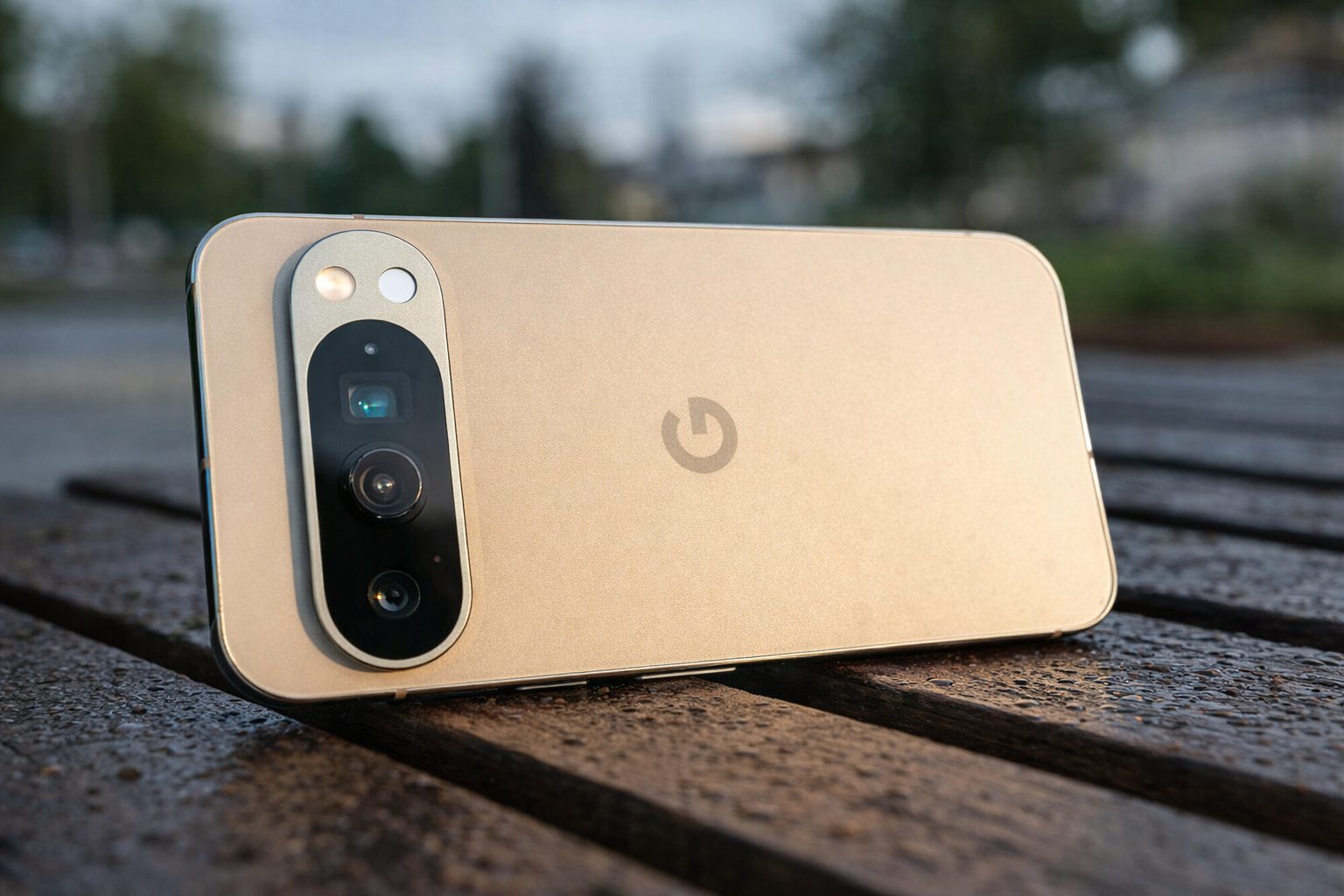
Google’s next Pixel flagship lineup — including the unannounced Google Pixel 11 models — may be built from the ground up in a different country. Reuters says Google plans to start developing and manufacturing its high-end Pixel, Pixel Pro, and Pixel Fold phones in Vietnam in 2026, while lower-end Pixel A development remains in China, citing Nikkei Asia sources.
That’s not just an assembly-line shuffle. New Product Introduction — NPI, the phase where the factory process is designed, tested, and tweaked before launch — is where bugs get hunted down and where costs, yields, and durability decisions are basically locked in.
At the same time, early Pixel 11 leaks are pointing at the part of a phone that people complain about the most when it goes wrong: the modem. 9to5Google reports Google is doing “early internal testing” of MediaTek’s M90 modem alongside the next Tensor G6, after sticking with Samsung’s Exynos modem in Pixel 10. 9to5Google
MediaTek introduced the M90 as a “5G-Advanced” modem, meaning it’s built for the newer versions of the 5G standard (3GPP Release 17 and beyond). The company claims up to 12Gbps peak download speeds in ideal conditions, plus AI-assisted features meant to cut power use and keep connections stable; it also supports both sub-6GHz and mmWave, the short-range but very fast flavor of 5G. If Google Pixel 11 really takes that hardware route, it’s a bet that reliability and battery life can be improved without flashy redesigns. MediaTek
Leaks about the Pixel 11 lineup itself have been oddly specific, down to internal names. Android Authority previously reported bear-themed codenames for four devices: Pixel 11 (“cubs”), Pixel 11 Pro (“grizzly”), Pixel 11 Pro XL (“kodiak”), and Pixel 11 Pro Fold (“yogi”). Android Authority
The foldable in that family may also get a behind-the-scenes change that actually matters: repairs. Android Headlines points to a Google patent showing a battery design that could be mechanically held in place — no glue — while still leaving space for wireless charging. It’s a patent, not a product sheet, but it hints at Google taking real-world servicing a little more seriously on the Pixel 11 Pro Fold.
Software could be the other big “feel” change, especially on foldables. An Android 17 leak shared by Android Authority describes Google polishing a split Notifications/Quick Settings layout (two shades instead of one), and bringing back separate Wi‑Fi and mobile data toggles. The catch: the report says foldables and tablets may be forced into the split layout on their larger displays, which would put the Pixel 11 Pro Fold squarely in the spotlight. Android Authority
None of this is official, but the calendar isn’t a mystery. Tech Advisor expects the Google Pixel 11 range to launch in 2026 and says August is the most likely window, following Google’s move away from October launches in recent generations.
Even Android’s public breadcrumbs are changing this year, which could make future Pixel 11 leaks harder to track. Google’s Android Open Source Project (AOSP) documentation says that, starting in 2026, the company will publish AOSP source code drops twice a year (Q2 and Q4) as part of its “trunk stable” development model. Android Open Source Project
Expect Google to keep threading AI into the sales pitch, even if the hardware story is mostly modems and manufacturing. When Pixel 10 launched, Android Central noted that the free year of Google AI Pro was reserved for the Pro phones, while the base model missed out; the plan bundles Gemini access, Workspace AI features, and 2TB of storage, before reverting to a $20-a-month subscription. If Google repeats that strategy on Pixel 11, the biggest decision for buyers may be “which tier” more than “which color.” Android Central
There are big unknowns, though, and this part can’t be hand-waved away. Tom’s Guide points out that a similar modem-switch rumor surfaced ahead of Pixel 10 and didn’t happen, and the M90 still doesn’t have a lot of real-world track record in shipping phones to judge against Samsung or Qualcomm. Add in the Vietnam report relying on unnamed sources, and the Pixel 11 picture is still more outline than photo.
For now, the most believable Pixel 11 narrative is also the least glamorous: tighter supply chain, better radio hardware, and Android changes that make big screens feel less clumsy. The next hard clues will be the boring ones — carrier certifications, firmware strings, and whether Google starts talking publicly about connectivity with the same confidence it brings to AI.