
San Francisco, January 15, 2026, 11:49 PST
- On Jan. 14, Google rolled out Android 16 QPR3 Beta 2 to eligible Pixel devices, bringing along the security patch dated 2026-01-05.
- This build targets stability improvements, addressing issues like battery drain, charging limits, sluggish Wi‑Fi, missed calls, and interface glitches.
- Samsung, the largest Android phone manufacturer, is integrating AI features throughout its 2026 lineup, increasing demands for more seamless software performance.
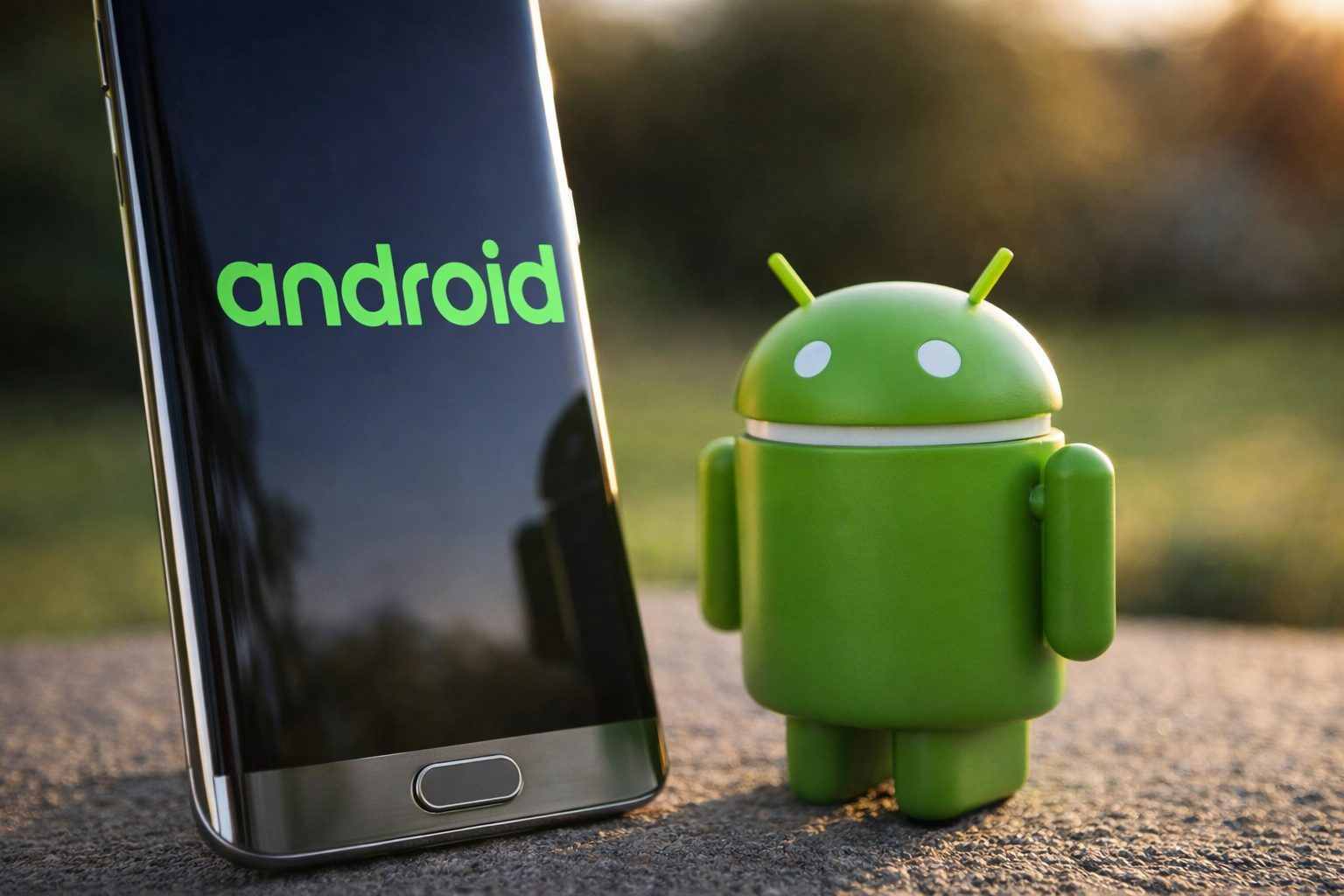
Google has rolled out Android 16 QPR3 Beta 2, targeting battery drain and connectivity glitches on Pixel devices ahead of the upcoming quarterly update. Released on Jan. 14, this build includes the 2026-01-05 security patch and is being distributed over-the-air (OTA) to Pixel phones, tablets, and foldables registered in the beta program.
Why it matters now: quarterly Android updates focus on the less flashy but crucial improvements users actually feel—fewer freezes, reduced dropped or missed calls, and better overnight battery performance. They also provide developers an early preview of what will appear first on Google’s own devices before rolling out to other Android manufacturers.
This beta doesn’t bring flashy new features. Instead, it feels like a triage checklist: charging limits getting bypassed, sluggish Wi‑Fi caused by a connection glitch, and visual bugs when dragging down the notification shade while in full-screen or picture-in-picture (PiP) mode, where the video stubbornly continues playing in a tiny window.
Security plays a key role in this effort. According to Google’s January Android Security Bulletin, any patch level dated 2026-01-05 or newer fixes vulnerabilities impacting Android devices. The Pixel Update Bulletin adds that all supported Google devices are slated to get the update bringing them to this 2026-01-05 patch level.
Timing plays a key role in the wider Android competition, where smooth software is now as crucial as cameras and processors. Samsung, the biggest player in Android handsets, aims to ramp up AI capabilities directly on its devices. The company also emphasizes the need to differentiate itself from other Android contenders, like Google’s Pixel lineup.
“Our goal is to make AI accessible to everyone,” Samsung’s mobile unit COO Won-Joon Choi told Axios, as the company plans to extend “Galaxy AI” features beyond just its high-end devices. Axios
Beta software isn’t without its downsides. Early versions might bring fresh bugs, cause some apps to malfunction, or act inconsistently across different devices. Plus, Google can tweak or even remove fixes before rolling them out broadly.
It’s still unclear how fast these fixes will reach devices outside Google’s ecosystem. Android powers hardware from various manufacturers, and even after Google releases the core update, rollout timing depends heavily on each phone maker and carrier.
Pixel users get a straightforward promise: smoother performance, faster. For the broader Android world, it’s a clear signal that behind-the-scenes stability improvements—those that rarely make headlines—remain a critical battleground where Google and its partners risk falling short.